Blog

Your blog category

Blog

13 Tips for Reliable Appliance Repair in Chandler

Finding a reliable local appliance repair service in Chandler can be a game-changer for both homeowners and business operators. When a key appliance breaks down, every minute counts in avoiding the disruption it can cause in daily life or business operations. Fortunately, Chandler is home to a variety of skilled technicians and service companies eager to jump into action. Here, we explore practical tips and considerations in securing dependable appliance repair services to keep your home or business running smoothly. 1. Start with Local Recommendations Word-of-mouth recommendations can often offer some of the most trusted insights into service quality. Ask friends, family members, or colleagues in Chandler for their own experiences with local appliance repair companies. Often, these personal anecdotes provide detailed insights into the reliability and punctuality of the service. 2. Research Online Reviews and Ratings The next step is to check online reviews on platforms such as Google, Yelp, and Facebook. Keep an eye out for recurring themes or patterns in the feedback, such as regular praise for timely service or transparency in pricing. Remember to take individual reviews with a grain of salt, considering the overall tone of the reviews rather than focusing solely on the extremes. 3. Verify Credentials and Experience When it comes to appliance repair, credentials matter. Reliable companies will employ technicians who have relevant certifications or licensing. Investigate how long the repair company has been in business, as longevity often points to a track record of satisfied customers. 4. Understanding Service Offerings Different technicians specialize in different appliances — some may be experts in refrigerators, while others excel with ice machines or dishwashers. Before hiring a service, ensure they possess the necessary expertise for your specific appliance issue. Companies like Ice Age Home in Chandler offer a wide array of repair services, ensuring each appliance receives expert attention. 5. Inquire About Same-Day Service Appliance breakdowns often require urgent attention. Opt for a service that can offer same-day or next-day repairs, minimizing downtime and allowing you to return to normalcy quickly. This can be especially critical for businesses heavily reliant on specific appliances. 6. Transparent Pricing Policies For many customers, unexpected costs can be as disruptive as the initial appliance failure. A reliable appliance repair service should provide an upfront estimate or a clear pricing policy. Transparency in pricing builds trust and allows you to budget accordingly. 7. Evaluate Customer Service Quality Your interactions with the company’s representatives can be telling. From your first phone call to the completion of the repair, customer service should be professional and courteous at every stage. Excellent customer service reflects a company’s commitment to ensuring customer satisfaction. 8. Equipment and Parts Considerations Ensure that the repair service uses high-quality parts and equipment. This not only influences the repair’s immediate success but also its longevity. Ask about the brands of parts used and whether they come with any warranty, which can provide peace of mind for future repairs. 9. Warranty and Guarantees Reliable services often back up their work with some form of warranty or guarantee on parts and labor. Ask about the specifics of their warranty policy — it’s an integral factor in assessing their confidence in the quality of their service. 10. Eco-Friendly Practices For those who are environmentally conscious, consider opting for a company that prioritizes eco-friendly practices. This might include using energy-efficient parts or adopting processes that minimize waste. These practices reflect a company’s broader sense of responsibility. 11. Tailored Maintenance Plans Apart from repairs, some companies offer regular maintenance services that can extend the life of your appliances. Such plans not only prevent costly future breakdowns but also help maintain efficiency. It’s a worthwhile consideration when aiming for long-term reliability. 12. Check for Local Business Credentials Verify whether the business is locally owned and operated. Local companies in Chandler are often more personally invested in their community and reputation, leading to a higher level of customer care and service than nationally franchised businesses. 13. Assess Technological Competency Appliance technology is constantly evolving, with many newer models featuring digital interfaces and smart connections. Your chosen service provider should be adept at handling modern appliances, equipped with the knowledge and tools necessary for these advanced models. A Word on Building Trust in Chandler Trust is the cornerstone of a long-lasting relationship between customers and service providers. By vetting potential repair services based on these criteria, you ensure that you’re selecting a company that values your time, investment, and peace of mind. For residents and businesses in Chandler, a reliable appliance repair specialist not only resolves immediate issues but also provides assurance that your day-to-day life and operations remain undisturbed. Ultimately, maintaining healthy appliances enhances the quality of your household or business operations. As you choose a repair service, thinking critically about these factors will help you partner with a trusted local service provider, ensuring your appliances remain reliable contributors to your daily life. Appliance woes are inevitable, but knowing where to turn for dependable repair solutions can make all the difference. As you consider your options, remember that reliability grows from knowledge, trust, and excellent service quality, the hallmark traits of the very best in Chandler. Call Ice Age Home (602) 848-4748
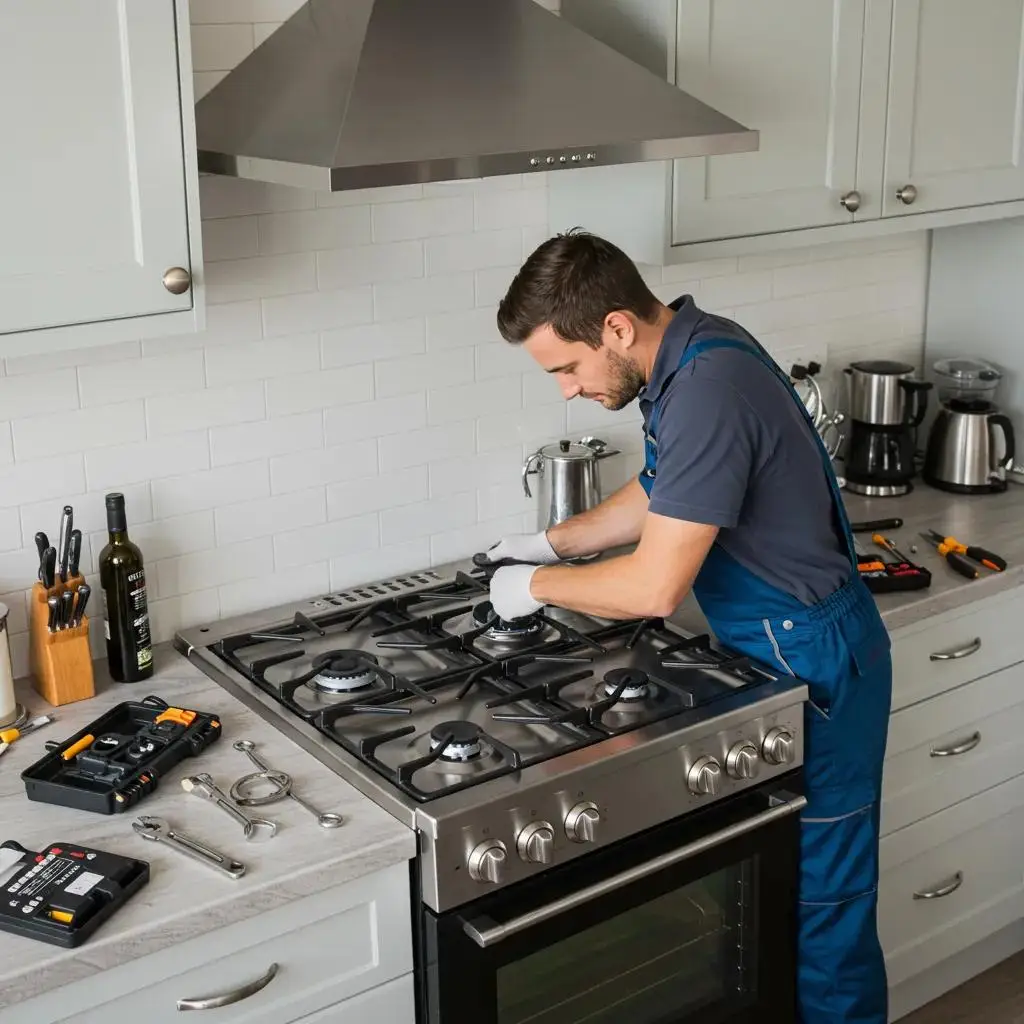
Technician repairing a gas stove in a modern kitchen, emphasizing professional stove repair services
Blog

stove repair gilbert az

Expert Stove Repair in Gilbert, AZ: Your Go-To for Gas, Electric, and Induction Services Need stove repair in Gilbert, AZ? We’re here to get your cooking back to normal, whether you have a gas, electric, induction, or range-style appliance. This guide dives into how our local experts pinpoint common stove problems, what causes them, and simple steps you can take before we arrive. You’ll discover easy troubleshooting tips, typical repair costs, common issues with popular brands, and what to expect when our certified technicians visit. We cover the most frequent stove troubles in Gilbert, walk through repair processes for gas, electric, and induction models, and explain how clear estimates and warranties work. With practical checklists, cost comparisons, and step-by-step guides, you’ll know when a quick fix is possible and when it’s time to call in the pros. We also highlight local service advantages like same-day response options and flexible scheduling, all focused on helping you understand stove repair in Gilbert, AZ. What Kinds of Stoves Do We Fix in Gilbert, AZ? Every stove type has its own way of heating and needs specific diagnostic approaches. Knowing these differences is key to safe and effective repairs. Gas stoves use natural gas for their burners and pilot assemblies, requiring careful gas-safety checks. Electric ranges rely on resistive elements or smooth glass-ceramic cooktops, needing checks for electrical continuity and control electronics. Induction cooktops use electromagnetic fields, demanding diagnostics for coils, sensors, and firmware. Dual-fuel ranges combine gas cooktops with electric ovens, needing a mix of expertise. Our technicians assess the fuel source, control systems, and any physical damage to recommend the best course of action, always prioritizing safety for every type. We handle all common residential stove setups, including freestanding ranges, slide-in models, built-in ovens, and both sealed and open burner cooktops. Here’s a quick rundown of the stove categories our local technicians expertly service: Gas stoves: We perform gas-valve checks and flame diagnostics to ensure safe and consistent combustion. Electric stoves: We conduct element continuity tests and inspect control boards for any heating malfunctions. Induction cooktops: We test electronic sensors and perform coil-level diagnostics to resolve performance issues. Ovens and ranges: We handle thermostat calibration, element replacement, and repairs for doors and seals. This overview clarifies the main stove types and their specific diagnostic needs, leading into the detailed repair processes for each fuel and technology type discussed next. How Do We Repair Gas Stoves and Tackle Common Gas Stove Issues? Repairing gas stoves focuses on ensuring safety through leak detection, checking ignition systems, and assessing valves and regulators to restore reliable burner performance. Our diagnostic process typically involves inspecting the igniter or pilot assembly, testing spark and continuity, clearing any clogged gas ports, and verifying proper flame patterns and gas pressure. Common fixes include replacing igniters, cleaning burner ports, adjusting or replacing gas valves, and repairing spark module wiring. Safety is paramount, so we always shut off the gas supply and ensure proper ventilation before starting any work. We also look for signs of delayed ignition or flames that appear yellow or sooty, which indicate incomplete combustion and require immediate attention. For homeowners, crucial safety steps include never attempting DIY gas-valve work and evacuating the premises if you detect a strong gas odor, contacting emergency services immediately. Understanding these gas-specific precautions helps you recognize potential dangers and know when to call for professional help. Major Appliance Repair: A Comprehensive Guide for Entry-Level Technicians ABSTRACT: This module provides a comprehensive text on basic appliance repair, designed to prepare students for entry-level positions in this expanding industry. Establishing a solid foundation in electrical principles, the module comprises 13 instructional units covering the following subjects: (1) orientation to major appliance repair; (2) safety and first aid; (3) electrical fundamentals; (4) AC induction motors; (5) diagrams and schematics; (6) tools, materials, and test equipment; (7) automatic washers; (8) automatic dryers; (9) automatic dishwashers; (10) garbage disposals; (11) trash compactors; (12) gas ranges and ovens; and (13) electric ranges and ovens. Each instructional unit adheres to a standard format that includes some or all of these eight core components: performance objectives, suggested activities for instructors and students, information sheets, assignment sheets, job sheets, visual aids, assessments, and answer keys for tests and assignment sheets. All unit components are focused on measurable and observable outcomes. Major Appliance Repair, 1987 What Are the Key Problems in Electric Stove Repair in Gilbert, AZ? Electric stove issues often stem from failed heating elements, malfunctioning thermostats, or problematic electronic control boards that affect temperature control and element activation. Our diagnostics involve checking the electrical supply, testing element continuity with a multimeter, and verifying thermostat or control board signals, sometimes using diagnostic codes. Common repairs include replacing coil or radiant elements, fixing broken element sockets, and swapping out control boards or thermostats once a fault is confirmed. Safety protocols dictate complete electrical isolation before any work begins, and we handle glass-ceramic cooktops with care to prevent scratches or cracks. Because electrical problems can sometimes mimic other issues, precise testing and a methodical approach help us pinpoint the exact cause quickly, ensuring a lasting fix. Why Choose Professional Induction Stove Repair Services? Induction cooktops are sophisticated appliances that rely on precise electronic coils, sensors, and control firmware. Repairs require specialized diagnostic tools for electronic components and a solid understanding of electromagnetic heating principles. Our technicians focus on checking coil continuity, calibrating sensors, assessing inverter board health, and confirming that cookware compatibility isn’t the source of performance issues. Professional repairs can range from replacing sensor modules and inverter electronics to recalibrating firmware settings. These tasks demand advanced electronics skills and factory-level diagnostic equipment. Attempting complex induction stove repairs without proper training can lead to further damage or safety risks. Opting for professional service helps maintain any remaining warranty and significantly reduces the chance of misdiagnosis, making trained technicians the safest and most reliable choice for your induction stove. How Do We Handle Oven and Range Repair in Gilbert, AZ? Oven and range repairs

Blog

Quality Stove Repair in Phoenix, AZ

Quality Stove Repair in Phoenix, AZ – Expert Local Appliance Services for Fast, Reliable Fixes Stove, cooktop, and oven repair across Phoenix, AZ focuses on safely restoring gas, electric, and induction appliances to dependable working order with minimal disruption. This article explains common stove faults in Phoenix homes, practical troubleshooting steps you can safely try, and the repair services professionals offer for burners, igniters, heating elements, control panels, and glass cooktops. Homeowners often face safety and usability problems—especially with gas ignition, oven temperature drift, or cracked glass—and this guide offers clear steps to triage issues and decide between repair and replacement. You will also find an overview of available local services, typical cost ranges, maintenance tips tailored to the region, and guidance on selecting certified technicians. Read on to learn how to identify urgent hazards, what a technician will check during diagnostics, and how transparent pricing, warranties, and same-day or next-day response improve safety and convenience for Phoenix residents. What Are the Most Common Stove Problems in Phoenix? Common stove problems in Phoenix reflect both appliance type and homeowner use: gas burners that fail to ignite, electric elements that burn out, ovens with temperature inconsistency, cracked glass cooktops, and intermittent control panel errors. These faults arise from worn components, thermal stress, clogged ports, failing sensors or electronic board issues, and they directly affect cooking performance and safety. Understanding the likely causes helps homeowners perform basic, safe checks and decide when to escalate to professional appliance repair. The following table summarizes typical problems, likely causes, immediate DIY checks, and when to call a professional so you can triage issues effectively and avoid unsafe DIY work. The table below provides a quick-reference triage to help prioritize safety and repair decisions. Problem Likely Cause(s) Immediate DIY Check When to Call a Pro Burner not igniting Faulty igniter, clogged ports, gas valve issue Check for visible spark, clean burner ports, listen for gas flow Persistent no-spark, gas smell, or intermittent ignition Element not heating Broken element, failed terminal, wiring fault Visually inspect element for breaks, test for obvious looseness Element glows unevenly or shorts when turned on Oven temp inconsistency Faulty sensor/thermostat, heating element wear, calibration Use oven thermometer to compare set vs actual temp >25°F variance, repeated calibration failures Cracked glass cooktop Thermal shock or impact damage Avoid using cracked surface; do not heat Any visible crack; risk of electric shock or further breakage Control panel errors Electronic board faults, power surges, loose connections Reset power at breaker, check for error codes in manual Repeated fault codes or unresponsive controls Why Do Gas Burners Fail to Ignite or Heat Properly? Gas burners fail to ignite or heat properly when the ignition system components—spark igniter, electrode, burner ports, or safety valve—are worn, obstructed, or misaligned. The ignition mechanism generates a spark that must coincide with gas flow; clogged ports or weak sparks prevent consistent ignition and reduce flame strength. A safe DIY check includes ensuring the burner cap is seated correctly, cleaning visible debris from ports with a soft brush, and listening for consistent gas flow before attempting relighting. If cleaning and reseating the parts do not restore reliable ignition, or if you detect a gas odor, call a professional trained in gas-stove repair to perform leak detection and valve diagnostics. Cleaning and basic checks can correct many ignition faults, but persistent issues point to component replacement or safety valve service. Technical Servicing and Guaranteed Repair of Domestic Appliances Technical Servicing and Guaranteed Repair of Household Equipment and Appliances Technical Servicing and Guaranteed Repair of Household Equipment and Appliances, 1977 How to Identify and Fix Electric Stove Heating Element Malfunctions? Electric heating elements degrade through repeated heating cycles, terminal corrosion, or wiring faults, causing uneven heating or no heat at all. You can visually inspect elements for breaks, scorching, or sagging and ensure element terminals are seated securely; a cool element that does not glow when switched on indicates a probable element or terminal failure. For safety, isolate power at the breaker before attempting any element reseating; continuity testing with a multimeter identifies failed elements but should be done only if you are comfortable with basic electrical safety. When terminals are damaged, a technician can replace both the element and the terminal connectors, restoring reliable heat and safe operation. Simple reseating sometimes solves intermittent heating, but element replacement is a common and straightforward technician fix when visual or continuity tests fail. What Causes Oven Temperature Inconsistencies and How Are They Repaired? Oven temperature inconsistencies result from faulty temperature sensors, degraded heating elements, miscalibrated thermostats, or failing control boards that misread setpoints. The first diagnostic is objective: place an oven thermometer and compare actual temperature to the set temperature across a 30-minute cycle to identify variance. If readings are consistently off, technicians examine the oven sensor resistance, heating element output, and control board signals; sensor replacement and control calibration are common repairs. Calibration adjustments can correct small offsets, while sensor or element replacement addresses recurring inaccuracies that affect baking and roasting results. Testing with an external thermometer gives a clear baseline, which technicians use to determine whether calibration, component replacement, or board repair is necessary. How to Recognize and Repair Cooktop Glass Cracks and Damage? Glass cooktop cracks arise from two primary mechanisms: impact damage (dropped cookware) and thermal shock (rapid temperature change). Even hairline cracks create safety hazards including potential electrical faults, sharp edges, and risk of thermal propagation. Immediately discontinue using a cracked surface, avoid placing heavy items on the cooktop, and prevent further heating which can make cracks worse; a temporary protective cover can reduce debris risk until service. Repair options are limited—minor surface chips sometimes receive cosmetic treatment, but full replacement of the glass top is often required for safety and long-term reliability. Because glass-top repair options are limited and safety risks escalate with use, replacement is frequently the only durable remedy for cracked cooktops. What Are the Signs of Control Panel and Electronic Faults in Stoves? Control panel and

Blog

Troubleshooting Your Dishwasher: Common Problems and Easy Solutions

As the unsung hero of the modern kitchen, the dishwasher provides convenience and efficiency, yet it is often taken for granted. But what happens when it starts acting up? Before you panic, understand that most dishwasher issues can be diagnosed and resolved with ease. In this guide, we delve into common dishwasher problems and offer straightforward solutions to restore its peak performance. The Mysterious Case of Murky Glasses One of the most frequent complaints from dishwasher owners is cloudy glassware. This issue usually stems from hard water deposits or improper use of detergent. To tackle this: Ensure you are using a high-quality dishwasher detergent and the appropriate amount. Too much detergent can leave a film. Install a water softener if you notice mineral deposits. This will help in reducing hard water stains significantly. Consider using a rinse aid, which helps the water slide off smoothly, preventing spots and cloudiness. Addressing Noisy Cycles Is your dishwasher making strange noises during its cycle? This can be alarming, but often the cause is benign. Here are a few steps to quiet the clamor: Check for loose items: Sometimes, utensils or small dishes can rattle. Ensure that everything is securely placed in the racks. Inspect the spray arm: Debris can get caught in the spray arm, causing noise. Remove and clean it to ensure smooth operation. Examine the pump: A noisy pump may indicate malfunction. If cleaning doesn’t help, consult a professional technician from Ice Age Refrigeration for an expert evaluation. Sluggish Drains and Standing Water A dishwasher that won’t drain properly can leave standing water at the bottom, leading to unpleasant odors and potentially more significant issues. To address this problem: Check the drain hose for kinks or blocks, which can impede water flow. Inspect the filter and remove any food debris. Regular cleaning ensures that water can pass through freely. If problems persist, the issue may lie with the drain pump. Family Handyman suggests regular maintenance to prevent pump failures. Leaky Dishwasher Blues Discovering a puddle under your dishwasher can be distressing. Leaks often result from: Faulty door gasket: The gasket should form a tight seal. If it’s worn out, replace it to prevent leaks. Loose connections: Check the connections to the water supply and drain hoses, tightening them if necessary. Cracked components: Inspect the hoses and tub for cracks. These may need expert intervention; Ice Age Refrigeration offers prompt, reliable service to handle such repairs. Maintaining Your Dishwasher Regular maintenance is crucial for preventing issues and extending the lifespan of your appliance. Consider the following tips: Run your dishwasher regularly, even if empty, to prevent seals from drying out. Use a dishwasher cleaner monthly to remove grease and mineral buildup. Keep the dishwasher door open for a while after cycles to let moisture escape, preventing mold and mildew. In conclusion, while some dishwasher problems can be easily fixed, others might require professional attention. At Ice Age Refrigeration, we prioritize customer satisfaction and are equipped to handle all your dishwasher repair needs with efficiency and expertise. For more maintenance tips or to schedule a service, visit our website or contact us today. Call for Service (602) 551-6195

Blog

How Regular Dryer Maintenance Prevents Fire Hazards

Your clothes dryer is one of the most used appliances in your home, but did you know it can also be a fire risk if not properly maintained? Lint buildup and faulty parts are leading causes of dryer fires. Here’s why regular maintenance is essential: 1. Lint Trap Cleaning Always clean the lint screen after every load. A clogged trap restricts airflow and causes overheating. 2. Vent and Duct Cleaning Over time, lint builds up in dryer vents. This not only reduces efficiency but can ignite under high heat. Have your vents professionally cleaned at least once a year. 3. Inspect the Drum & Belt Worn-out belts or misaligned drums can cause friction, leading to sparks or overheating. Routine inspections help catch issues early. 4. Check Electrical Connections Loose or damaged wires are serious hazards. Certified technicians ensure your dryer’s electrical system is safe and efficient.

Blog

Why Your Washing Machine Isn’t Draining and How to Fix It

A washing machine that won’t drain is one of the most common laundry-day problems. Not only does it leave your clothes soaking wet, but it can also signal bigger issues with your appliance. Here are the top reasons your washer isn’t draining—and what you can do about it: 1. Clogged Drain Hose Lint, coins, or small clothing items can block the drain hose. Disconnect the hose and check for blockages. 2. Faulty Pump If you hear the machine running but water isn’t draining, the pump may be defective and require replacement. 3. Blocked Filter Many washers have a lint filter that needs cleaning. A clogged filter restricts water flow and prevents proper drainage. 4. Overloaded Machine Stuffing the washer too full puts strain on the motor and prevents efficient draining. Always wash in appropriate load sizes.

Blog

5 Signs Your Refrigerator Needs Immediate Repair

Your refrigerator is one of the most important appliances in your home. It keeps food safe, prevents waste, and runs almost 24/7. But like any machine, it can wear down over time. Ignoring the early warning signs can turn a small issue into an expensive breakdown. Here are five clear signs your refrigerator needs immediate repair: 1. Unusual Noises If your fridge is making loud buzzing, clicking, or rattling sounds, it could mean the compressor, motor, or fan is struggling. While refrigerators aren’t silent, unusual or constant noise is a red flag that something is wrong. 2. Inconsistent Cooling Is one section of your fridge warm while another freezes? This often points to thermostat malfunctions, poor airflow, or a failing compressor. If not fixed quickly, food spoilage and higher bills are inevitable. 3. Water Leaks Puddles around or inside your fridge usually mean a clogged drain tube or a faulty water line. Apart from being messy, leaks can damage flooring and even lead to mold if ignored. 4. Excessive Frost Build-Up A thin layer of frost is normal in the freezer, but heavy ice accumulation suggests a defrost system problem. This can reduce storage space, block airflow, and strain your appliance. 5. High Energy Bills If your electricity bill suddenly spikes without explanation, your fridge may be the culprit. A struggling refrigerator consumes more energy as it works harder to maintain proper cooling.

Blog

How to Extend the Life of Your Dishwasher

Your dishwasher is one of the most hardworking appliances in your home. It saves you time, conserves water, and takes care of dirty dishes with the push of a button. But without proper care, dishwashers can wear out quickly—leading to breakdowns, costly repairs, or early replacements. The good news? With just a few simple habits, you can extend the lifespan of your dishwasher and keep it running efficiently for years to come. Here’s how: 1. Clean the Filter Regularly The filter is responsible for trapping food particles and debris during cycles. Over time, it can become clogged, forcing your dishwasher to work harder. A dirty filter not only shortens the appliance’s life but also leaves dishes less clean. Make it a habit to rinse and scrub the filter once every two weeks. 2. Use the Right Detergent Not all detergents are created equal. Cheap or low-quality soaps often leave behind residue that builds up in pipes and spray arms. Always choose a dishwasher-specific detergent recommended by the manufacturer. It keeps your appliance cleaner and prevents long-term damage. 3. Run Hot Water Before Starting Dishwashers work best with hot water. Before starting a cycle, run your kitchen sink on hot for 30–60 seconds. This ensures the appliance fills with hot water immediately, leading to cleaner dishes and less strain on the heating element. 4. Check and Clean Spray Arms Spray arms are responsible for distributing water evenly. If they’re clogged with mineral deposits or food particles, your dishwasher won’t clean properly and will have to work harder. Remove the spray arms occasionally, rinse them under warm water, and clear any blocked holes with a toothpick. 5. Schedule Regular Maintenance Like any appliance, dishwashers benefit from professional check-ups. A trained technician can catch small problems—like worn-out seals or clogged lines—before they turn into costly repairs. Scheduling routine maintenance once a year keeps your dishwasher in peak condition.

Blog

Common Stove Problems and How to Fix Them

A stove is the centerpiece of every kitchen, but when it stops working properly, cooking can quickly become stressful. Whether you have a gas or electric stove, issues can arise from time to time. Knowing the common problems and how to handle them can save you time, money, and frustration. Here are the most frequent stove issues—and what you can do about them: 1. Burner Won’t Light If your gas burner refuses to ignite, the culprit is often something simple. A misaligned or dirty burner cap can block the flame. Try cleaning the cap and repositioning it properly. If you still hear the clicking sound but no flame, there may be a problem with the ignition switch or gas flow, which requires professional repair. 2. Weak Flame A weak or uneven flame can make cooking difficult and unsafe. This often happens due to clogged gas lines or dirty burner heads. Cleaning the burner with warm, soapy water can sometimes solve the issue. If the problem persists, a professional technician should inspect the gas connections for blockages or leaks. 3. Electric Burner Not Heating For electric stoves, a burner that doesn’t heat usually points to a faulty coil element or damaged wiring. You can try swapping the non-working burner with one that works—if the swapped burner heats, the coil is bad and needs replacement. If not, the issue lies within the wiring or internal connections, which should only be handled by a certified technician. 4. Strange Smells If you notice unusual odors—such as a strong gas smell or the scent of burning wires—take immediate action. Turn off the stove, ventilate the area, and call for professional help. Gas leaks and electrical malfunctions are serious hazards and should never be ignored or DIY-repaired.

Blog

Why Hiring Certified Technicians Saves You Money in the Long Run

When an appliance breaks down, it can be tempting to call the cheapest repairman you can find or even attempt a DIY fix. But while that may save money upfront, it often leads to repeat problems, unsafe repairs, and higher costs later. The smarter choice? Hiring certified technicians. Here’s why professional service actually saves you money in the long run: 1. Accurate Diagnosis Certified professionals have the training and tools to identify the root cause of the problem—not just put a temporary patch on it. This prevents recurring breakdowns and saves you from paying for multiple repairs. 2. Warranty Protection Many appliances come with manufacturer warranties that require certified service to remain valid. Hiring an unqualified repairman can void your warranty, leaving you to cover the full cost of future issues. Certified technicians, on the other hand, protect your investment. 3. Long-Lasting Repairs With certified technicians, you’re not just getting a quick fix—you’re getting a reliable repair that lasts. They use proper replacement parts and follow industry best practices, ensuring your appliances stay in good working condition for years. 4. Safety Assurance Appliance repairs often involve electricity, gas, or water lines. One wrong move can lead to fire hazards, gas leaks, or flooding. Certified technicians are trained to perform safe repairs, protecting both your home and your family. 5. True Value for Money While hiring a professional may seem more expensive upfront, it prevents bigger bills later. Fewer repeat visits, reduced energy waste, and extended appliance lifespans all add up to major savings in the long run.

Scroll to Top