
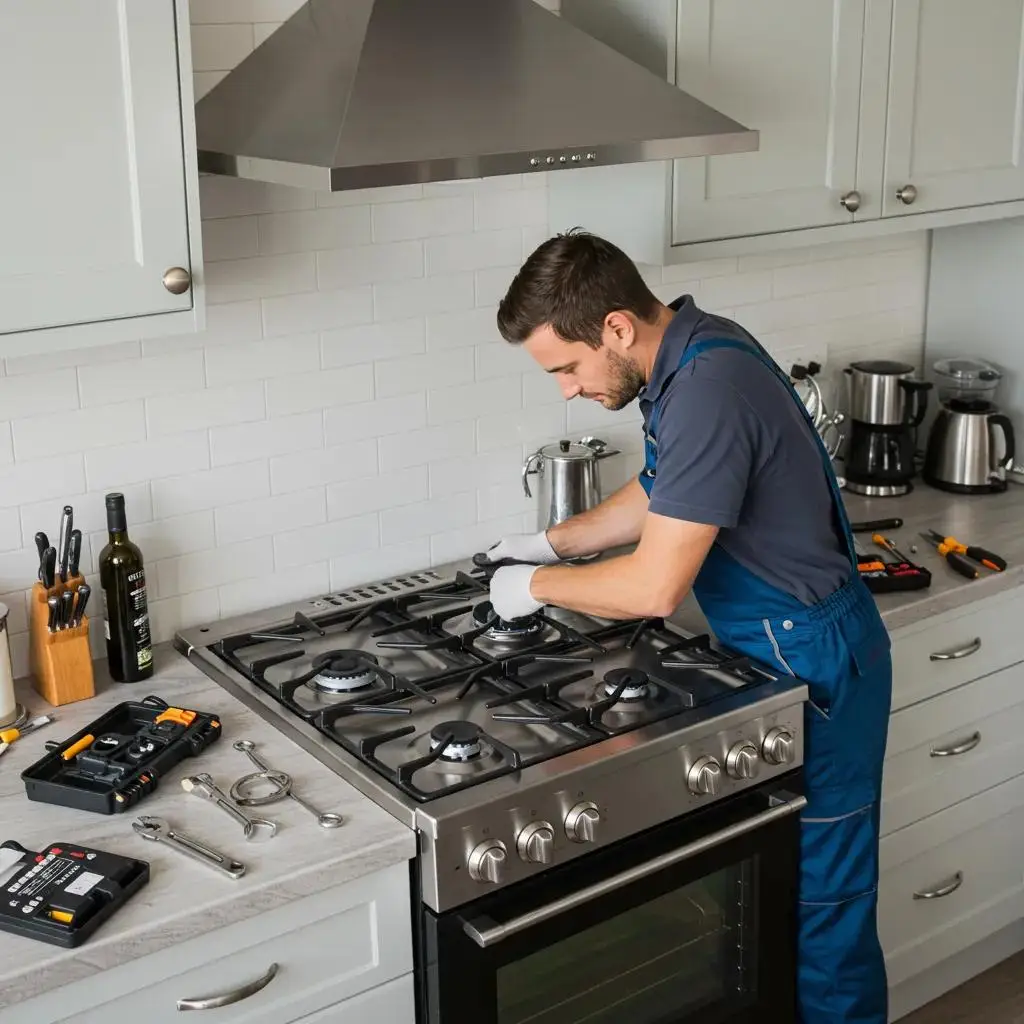
Expert Stove Repair in Gilbert, AZ: Your Go-To for Gas, Electric, and Induction Services
Need stove repair in Gilbert, AZ? We’re here to get your cooking back to normal, whether you have a gas, electric, induction, or range-style appliance. This guide dives into how our local experts pinpoint common stove problems, what causes them, and simple steps you can take before we arrive. You’ll discover easy troubleshooting tips, typical repair costs, common issues with popular brands, and what to expect when our certified technicians visit. We cover the most frequent stove troubles in Gilbert, walk through repair processes for gas, electric, and induction models, and explain how clear estimates and warranties work. With practical checklists, cost comparisons, and step-by-step guides, you’ll know when a quick fix is possible and when it’s time to call in the pros. We also highlight local service advantages like same-day response options and flexible scheduling, all focused on helping you understand stove repair in Gilbert, AZ.
What Kinds of Stoves Do We Fix in Gilbert, AZ?
Every stove type has its own way of heating and needs specific diagnostic approaches. Knowing these differences is key to safe and effective repairs. Gas stoves use natural gas for their burners and pilot assemblies, requiring careful gas-safety checks. Electric ranges rely on resistive elements or smooth glass-ceramic cooktops, needing checks for electrical continuity and control electronics. Induction cooktops use electromagnetic fields, demanding diagnostics for coils, sensors, and firmware. Dual-fuel ranges combine gas cooktops with electric ovens, needing a mix of expertise. Our technicians assess the fuel source, control systems, and any physical damage to recommend the best course of action, always prioritizing safety for every type.
We handle all common residential stove setups, including freestanding ranges, slide-in models, built-in ovens, and both sealed and open burner cooktops. Here’s a quick rundown of the stove categories our local technicians expertly service:
- Gas stoves: We perform gas-valve checks and flame diagnostics to ensure safe and consistent combustion.
- Electric stoves: We conduct element continuity tests and inspect control boards for any heating malfunctions.
- Induction cooktops: We test electronic sensors and perform coil-level diagnostics to resolve performance issues.
- Ovens and ranges: We handle thermostat calibration, element replacement, and repairs for doors and seals.
This overview clarifies the main stove types and their specific diagnostic needs, leading into the detailed repair processes for each fuel and technology type discussed next.
How Do We Repair Gas Stoves and Tackle Common Gas Stove Issues?
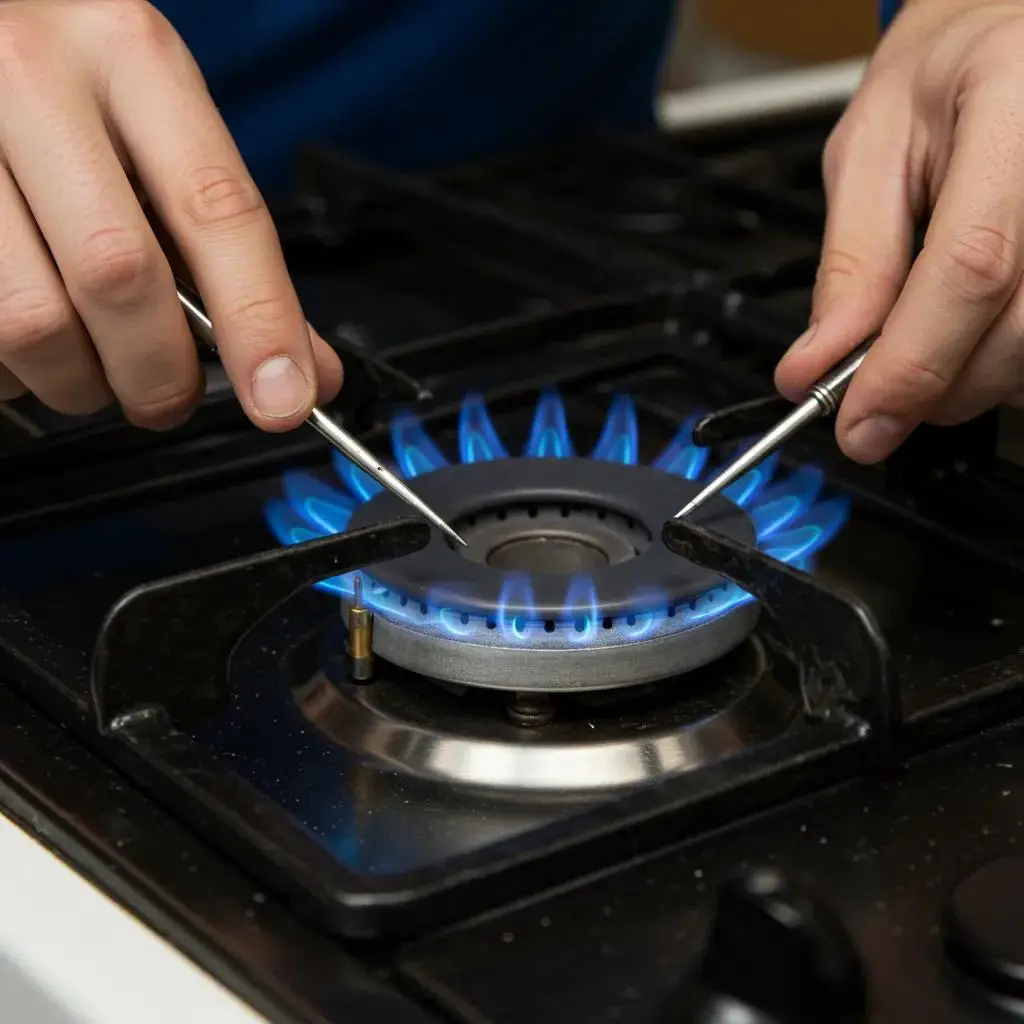
Repairing gas stoves focuses on ensuring safety through leak detection, checking ignition systems, and assessing valves and regulators to restore reliable burner performance. Our diagnostic process typically involves inspecting the igniter or pilot assembly, testing spark and continuity, clearing any clogged gas ports, and verifying proper flame patterns and gas pressure. Common fixes include replacing igniters, cleaning burner ports, adjusting or replacing gas valves, and repairing spark module wiring. Safety is paramount, so we always shut off the gas supply and ensure proper ventilation before starting any work.
We also look for signs of delayed ignition or flames that appear yellow or sooty, which indicate incomplete combustion and require immediate attention.
For homeowners, crucial safety steps include never attempting DIY gas-valve work and evacuating the premises if you detect a strong gas odor, contacting emergency services immediately. Understanding these gas-specific precautions helps you recognize potential dangers and know when to call for professional help.
Major Appliance Repair: A Comprehensive Guide for Entry-Level Technicians
ABSTRACT: This module provides a comprehensive text on basic appliance repair, designed to prepare students for entry-level positions in this expanding industry. Establishing a solid foundation in electrical principles, the module comprises 13 instructional units covering the following subjects: (1) orientation to major appliance repair; (2) safety and first aid; (3) electrical fundamentals; (4) AC induction motors; (5) diagrams and schematics; (6) tools, materials, and test equipment; (7) automatic washers; (8) automatic dryers; (9) automatic dishwashers; (10) garbage disposals; (11) trash compactors; (12) gas ranges and ovens; and (13) electric ranges and ovens. Each instructional unit adheres to a standard format that includes some or all of these eight core components: performance objectives, suggested activities for instructors and students, information sheets, assignment sheets, job sheets, visual aids, assessments, and answer keys for tests and assignment sheets. All unit components are focused on measurable and observable outcomes.
Major Appliance Repair, 1987
What Are the Key Problems in Electric Stove Repair in Gilbert, AZ?
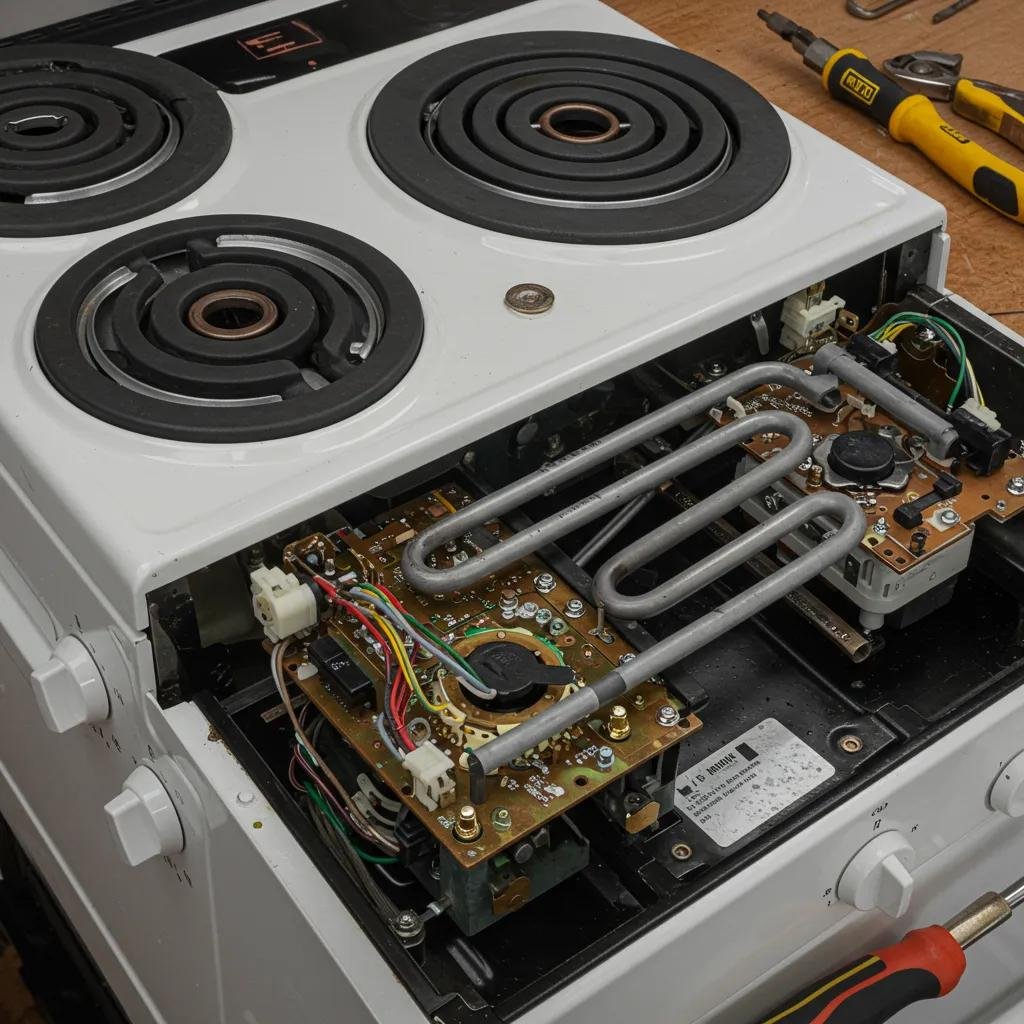
Electric stove issues often stem from failed heating elements, malfunctioning thermostats, or problematic electronic control boards that affect temperature control and element activation. Our diagnostics involve checking the electrical supply, testing element continuity with a multimeter, and verifying thermostat or control board signals, sometimes using diagnostic codes. Common repairs include replacing coil or radiant elements, fixing broken element sockets, and swapping out control boards or thermostats once a fault is confirmed. Safety protocols dictate complete electrical isolation before any work begins, and we handle glass-ceramic cooktops with care to prevent scratches or cracks.
Because electrical problems can sometimes mimic other issues, precise testing and a methodical approach help us pinpoint the exact cause quickly, ensuring a lasting fix.
Why Choose Professional Induction Stove Repair Services?
Induction cooktops are sophisticated appliances that rely on precise electronic coils, sensors, and control firmware. Repairs require specialized diagnostic tools for electronic components and a solid understanding of electromagnetic heating principles. Our technicians focus on checking coil continuity, calibrating sensors, assessing inverter board health, and confirming that cookware compatibility isn’t the source of performance issues. Professional repairs can range from replacing sensor modules and inverter electronics to recalibrating firmware settings. These tasks demand advanced electronics skills and factory-level diagnostic equipment. Attempting complex induction stove repairs without proper training can lead to further damage or safety risks.
Opting for professional service helps maintain any remaining warranty and significantly reduces the chance of misdiagnosis, making trained technicians the safest and most reliable choice for your induction stove.
How Do We Handle Oven and Range Repair in Gilbert, AZ?
Oven and range repairs address issues like inconsistent heating, convection fan problems, inaccurate thermostats, and physical wear on door seals and hinges that impact cooking performance. Our technicians perform continuity checks on bake and broil elements, test oven thermostats and temperature sensors, and inspect convection fans and motors for mechanical faults affecting airflow and heat distribution. Typical repairs involve replacing elements, swapping sensors or thermostats, servicing fan motors, and resealing or adjusting oven doors for even cooking. If an oven is particularly old or the repair cost approaches replacement value, we’ll help you evaluate the long-term reliability and parts availability to decide the best path forward.
What Are the Most Common Stove Problems in Gilbert, AZ?
Common stove issues in Gilbert, AZ, often arise from normal wear and tear, debris buildup, electrical failures, or occasional gas supply problems. Recognizing these patterns helps us diagnose and fix issues faster. The most frequent complaints include burners that won’t heat, ignition failures on gas units, uneven heating in ovens or on cooktops, inaccurate thermostats, and potential gas leaks that demand immediate attention. Each problem type has distinct diagnostic clues—a lack of clicking during ignition suggests an electrical issue, while yellow or sooty flames point to combustion problems—so initial checks by homeowners can help determine the urgency.
Here’s a quick list of common stove problems with brief explanations to get you up to speed:
- Burner not heating: Indicates a failed element or igniter preventing heat production.
- Ignition failure: Occurs when there’s no spark or flame due to clogged ports or a faulty igniter.
- Uneven heating: Can be caused by a degrading element, miscalibrated thermostat, or control board faults.
- Thermostat faults: Leads to incorrect temperature readings, resulting in over- or undercooked food.
- Gas leak indicators: A hissing sound or odor requires immediate evacuation and professional response.
These concise definitions offer quick diagnostic cues and guide safe next steps. The table below expands on this by mapping problems to likely causes and simple homeowner troubleshooting actions.
This EAV-style table helps you quickly identify potential causes and actionable checks, enabling you to provide precise information to technicians and avoid unnecessary delays.
How Much Does Stove Repair Cost in Gilbert, AZ?
Stove repair costs in Gilbert vary based on the type of repair, parts needed, labor involved, and the stove’s technology. Transparent pricing helps you make informed decisions. Minor repairs like replacing a burner or igniter usually involve modest parts costs and shorter labor times. However, replacing control boards, glass-ceramic tops, or induction inverter modules will increase both parts and labor expenses. Diagnostic fees may apply for complex issues before a full quote is provided. Factors like the stove’s brand, model rarity, and part availability can also influence the final price.
This table gives you an idea of the relative costs for common repairs. Simpler fixes typically fall in the lower hundreds, while electronics and glass replacements can reach higher figures depending on the specific parts required.
What Factors Influence Gas and Electric Stove Repair Prices?
Key factors affecting repair costs include the price of replacement parts, the time required for labor, the complexity of the diagnosis, and the rarity of the brand or model. For instance, replacing a simple igniter or coil element is usually inexpensive and quick. In contrast, proprietary control boards or glass-ceramic tops come with higher parts costs and may require special orders. Technicians also factor in travel time, diagnostic fees, the need for specialized tools, and the possibility of needing multiple visits if additional parts are required. Seasonal demand and local parts availability can also impact the final cost, so expect estimates to reflect these variables rather than a fixed price.
Are There Warranty Options for Stove Repair Services?
Warranty coverage typically includes both manufacturer warranties and those provided by the service company. Understanding the difference is crucial for protecting your rights as a consumer. Manufacturer warranties usually cover factory defects for a set period and often require authorized service providers. Service-provider warranties commonly cover the parts and labor performed during the repair and vary in duration and terms. We recommend requesting written warranty details that clearly outline the coverage period, any exclusions, and the procedure for follow-up service if issues reoccur. Keeping your receipts and documented estimates is essential for making warranty claims and seeking recourse for subsequent problems.
How to Get a Transparent and Upfront Repair Estimate?
An accurate estimate starts with clear information: your stove’s model number, a description of the symptoms, any error codes displayed, and photos or videos of the affected area. This information allows for faster triage and more precise quotes. Once our technicians diagnose the specific component failure, they’ll provide an itemized quote detailing parts, labor, and any diagnostic fees. We encourage you to request this breakdown and an estimated lead time for any ordered parts. Simple steps for homeowners include gathering model details, noting exact symptoms and when they occur, and asking for a written estimate before authorizing any work. Inquiring about payment terms, warranty coverage, and options for OEM versus aftermarket parts will help you make informed decisions and avoid surprises.
Which Appliance Brands Do We Service for Stove Repair in Gilbert, AZ?
Our technicians in Gilbert are experienced with a wide range of major appliance brands. We often have specific knowledge of brand-related parts, error codes, and firmware behaviors, which speeds up diagnosis and repair. Familiarity with brands like Samsung, LG, Whirlpool, GE, and Kenmore ensures we select the correct parts and minimize repeat visits due to misdiagnosis. Brand expertise also helps us source genuine OEM components or recommended aftermarket replacements and stay updated on manufacturer-specific service bulletins.
Below is a handy brand-focused table outlining common problems for popular brands and their typical fixes, which can help you when describing issues to a technician:
Our technicians often possess specialized knowledge for specific brands. We may offer dedicated brand pages or model-specific resources to help identify issues faster, which is particularly beneficial for owners of smart or newer models that generate error codes and require firmware-aware diagnostics. Mentioning your stove’s brand helps us ensure we have the right parts and diagnostic expertise ready for your service call.
Why Choose Our Certified Stove Repair Technicians in Gilbert, AZ?
Our certified technicians bring structured training in gas safety, electrical diagnostics, and appliance electronics, ensuring safer repairs and fewer follow-up visits. We apply standardized safety checks—verifying gas shutoff, ensuring electrical isolation, and logging diagnostic data—before starting any repairs. We use calibrated tools to accurately measure element continuity, gas pressure, and control board signals. Professional training minimizes misdiagnosis and guarantees that parts are installed correctly according to manufacturer recommendations. You benefit from clearer timelines, documented repair notes, and warranty coverage for parts and labor where applicable.
What Certifications and Experience Do Our Technicians Have?
Our technicians typically hold certifications in safe gas handling, appliance electronics, and manufacturer-specific repair procedures. This comprehensive training enables them to perform correct and safe interventions on a wide variety of stove technologies. Gas-related work requires a deep understanding of combustion, flame patterns, regulator behavior, and leak-detection protocols to ensure safe service restoration. Electronics skills are vital for induction and modern electric stoves, as sensors, inverters, and control boards need accurate diagnostics to avoid unnecessary replacements. Evaluating technician qualifications and inquiring about their relevant training helps you choose providers capable of handling both mechanical and electronic stove failures.
These qualifications significantly reduce the risk of improper repairs and often speed up diagnosis by applying established manufacturer procedures and diagnostic sequences.
How Do We Ensure Same-Day and Reliable Stove Repair Service?
Our operational efficiency allows for fast service through prioritized scheduling for core service areas, stocking common replacement parts, and employing diagnostic-first workflows for immediate triage and interim safety guidance. Eligibility for same-day service typically depends on the problem’s nature, parts availability, and available appointment slots. Emergency safety issues, such as gas leaks, receive immediate triage recommendations. To help us serve you faster, please have your model information, photographs, and a description of the symptoms ready before your appointment to shorten on-site diagnostic time. We provide transparent expectations regarding potential part orders and follow-up visits, while our technicians aim to resolve simpler repairs on the first visit.
These logistical measures enhance the likelihood of timely repairs while maintaining diagnostic accuracy to prevent repeat service calls.
What Customer Satisfaction Guarantees Do We Offer?
Our service guarantees typically cover workmanship and replacement parts for a specified period. We encourage you to request written terms that clearly outline the scope and exclusions of this coverage. Common guarantees include limited-time warranties on parts and labor, commitments for re-service if the same fault recurs within the warranty window, and clear escalation procedures for unresolved issues. We advise you to keep all repair documentation and photographs and to confirm warranty transferability if parts come with manufacturer backing. Asking specific questions during booking—about warranty length, exclusions, and re-service policies—will clarify expectations and preserve your options in case of future issues.
Clear guarantee terms help minimize disputes and provide a straightforward path for follow-up if repairs don’t yield the expected results.
How Can You Troubleshoot Common Stove Issues Before Calling a Technician?
Safe preliminary troubleshooting can help identify minor faults and prevent hazardous actions on gas or electrical appliances. The goal is to gather accurate information and rule out simple fixes before scheduling service. Homeowners should perform basic checks like confirming power or gas supply, cleaning burner ports, ensuring cookware compatibility on induction cooktops, and recording any error codes or unusual noises. When performing these checks, always isolate power or close gas valves as needed, and avoid opening gas fittings or accessing internal electronics. The following numbered troubleshooting guide offers safe, step-by-step actions you can try before calling a professional:
- Confirm fuel and power: Ensure the circuit breaker is on for electric stoves and that gas supply valves are open for gas stoves.
- Observe ignition behavior: Listen for clicking sounds on gas models and check for visible sparking or blockages at burner ports.
- Clean and re-seat: Remove burner caps, clean burner ports and igniter areas, and ensure elements are properly seated in their sockets.
- Capture error codes: If your appliance displays codes, photograph them and note the exact sequence of events leading to the error.
These steps help triage the issue and often provide technicians with clear data for faster diagnosis. The following paragraphs detail specific safe checks for gas and electric units.
What Simple Steps Can Fix a Gas Stove That Won’t Ignite?
For gas stoves that fail to ignite, homeowners can perform non-invasive checks that often resolve minor ignition problems without needing tools. Start by ensuring the gas supply valve is open and that burner caps are properly seated. Then, clean any visible food debris from the burner ports to restore proper gas flow. Listen for the igniter clicking; if no clicking is heard, this suggests an electrical or igniter-module issue that requires technician intervention. Always avoid prolonged gas flow without ignition—if you smell gas strongly, evacuate immediately and follow emergency protocols rather than attempting further troubleshooting.
These measured steps prioritize safety and help determine whether the issue is a simple cleaning need or a fault requiring professional replacement of igniters or spark modules.
How to Check and Clean Electric Stove Burners Safely?
Before any cleaning, always disconnect power at the circuit breaker and verify the stove is fully de-energized to avoid shock hazards when handling elements or sockets. For coil burners, carefully remove the elements and clean the drip pans and element terminals using non-abrasive cleaners. Inspect element terminals for any signs of burning or deformation that indicate replacement is needed. For glass-ceramic cooktops, use recommended non-abrasive scrapers and cleaners to remove residues, and avoid applying excessive pressure that could crack the surface. If you notice visible cracking, discoloration, or element failure after cleaning, stop and schedule a professional inspection to prevent electrical hazards.
Proper power isolation and gentle cleaning often restore performance for minor issues. However, visible damage or electrical faults should always be handled by trained technicians.
When Is Professional Repair Necessary for Stove Error Codes?
Error codes on modern stoves often signal specific sensor or board issues. It’s important to record these codes and report them to technicians for targeted diagnostics. A safe approach is to perform a user reset according to your appliance manual. Observe whether the error reappears; if it persists, capture the code and consult a technician. Repeatedly resetting without addressing the underlying problem can mask critical issues. Certain codes related to gas-valve performance, ignition safety, or control-board communication errors typically require professional tools to interpret and fix correctly. Providing the exact error codes and the conditions under which they appear accelerates parts identification and reduces diagnostic labor time during service visits.
This systematic approach ensures that error-code handling is efficient and minimizes guesswork that can prolong repairs.
How to Schedule Your Stove Repair Appointment in Gilbert, AZ Today?
Scheduling effective stove repair begins with providing accurate appliance details and symptoms so technicians can triage urgency and identify potential parts needs before arrival. Key information includes the stove model number, serial number if available, a clear description of symptoms and when they occur, any displayed error codes, and photos or short video clips showing the issue. Service providers typically ask for your availability windows and any specific access instructions to plan the visit efficiently. Same-day service is often possible for core service areas and urgent safety issues, depending on technician schedules and parts availability. Below is a checklist of the information to provide when booking to ensure a fast and accurate response:
- Model number and serial number to identify correct parts and service bulletins.
- Detailed symptom description, including when the problem occurs and any error codes.
- Photos or short videos illustrating the issue or visible damage.
- Preferred availability windows and confirmation if the issue is a safety emergency.
Providing this information upfront helps technicians prepare thoroughly for the visit and increases the chance of a first-visit resolution, saving you time and reducing the need for additional trips.
What Information Do You Need to Provide for Fast Service?
Offering thorough details speeds up the diagnostic process and allows technicians to bring common parts if applicable, potentially enabling same-day fixes for many problems. Please include exact model and serial numbers, list any recent changes or incidents (like power surges or spills), and note any previous repairs or parts replaced to give technicians essential context. Photos of the control panel, damaged components, or error codes are invaluable for remote triage and can help determine whether on-site diagnostics or part orders are required. Clear communication about access, parking, and any pet considerations further streamlines scheduling and allows technicians to plan their visit efficiently.
This preparation minimizes on-site time and improves the likelihood that technicians arrive ready to complete the repair during the first visit.
How Do We Serve Gilbert and Surrounding Communities?
Our service availability typically focuses on core Gilbert areas, offering same-day response for urgent safety issues and next-day appointments for routine repairs. For more distant locations, we may require scheduled windows to account for travel time. Our technicians prioritize gas-safety calls and situations where cooking capability or safety is compromised. We balance parts inventory and appointment logistics to serve the broader local area efficiently. Homeowners in outlying areas should anticipate scheduling windows that factor in travel time. You can help speed up service by sharing detailed model information and photos during booking. These operational practices help manage expectations and maintain timely service across our entire service area.
Understanding these geographic and scheduling considerations helps homeowners plan repairs with realistic timelines and appropriate prioritization.
What Are Our Contact Options and Service Hours?
When you’re ready to request service, please use our available contact methods—typically phone or an online booking form—to submit your appliance details, photos, and availability for efficient triage. Including all requested information in your initial message expedites estimate preparation and helps us determine same-day eligibility or parts needs before arrival. Our service hours and live-call availability vary, so please confirm these details when booking. Asking whether emergency scheduling or extended hours are offered can clarify options for urgent situations. Clear communication about contact methods ensures you receive prompt guidance and accurate appointment windows.
This guide concludes with practical advice and EAV tables to help you make informed decisions about stove repair in Gilbert, AZ. We’ve covered common problems, cost ranges, and brand tendencies so you can act safely, communicate effectively with technicians, and understand repair expectations.
Frequently Asked Questions
What should I do if my stove is making unusual noises?
If your stove is making unusual noises, it could signal a mechanical issue or a problem with its electrical components. For safety, turn off the stove and disconnect it from the power source. Listen closely to any specific sounds, like clicking, buzzing, or humming, and note when they occur. If the noise continues after reconnecting power, it’s best to contact a professional technician for diagnosis, as it might involve faulty wiring, a malfunctioning control board, or other internal parts requiring expert attention.
How can I tell if my stove needs professional repair?
Signs that your stove may require professional repair include persistent issues like burners not heating, uneven cooking, error codes on digital displays, or gas odors. If you notice any of these symptoms, it’s crucial to act quickly, especially with gas-related problems. If you’ve attempted basic troubleshooting without success, or if the stove is making strange noises, it’s advisable to consult a certified technician. Ignoring these signs can lead to further damage or safety hazards, making timely professional intervention essential.
Are there any safety precautions I should take before using a repaired stove?
Before using a repaired stove, ensure all safety checks have been completed. For gas stoves, confirm there are no gas leaks by checking for odors and ensuring all connections are secure. For electric stoves, inspect the wiring and verify that all components are properly reassembled. It’s also wise to test the stove at a low setting initially to monitor its performance. If any issues arise during this test, turn off the stove immediately and contact your technician for further evaluation.
What are the benefits of regular stove maintenance?
Regular stove maintenance can significantly extend your appliance’s lifespan and enhance its performance. Routine checks can identify potential issues before they escalate into costly repairs, ensuring your stove operates efficiently. Maintenance tasks may include cleaning burner ports, checking gas connections, and inspecting electrical components. Additionally, regular servicing can improve safety by reducing the risk of gas leaks or electrical failures. Investing in maintenance not only saves money in the long run but also provides peace of mind while cooking.
How can I find a reliable stove repair technician in Gilbert, AZ?
To find a reliable stove repair technician in Gilbert, AZ, start by seeking recommendations from friends, family, or checking online reviews. Look for technicians who are certified and have experience with your specific stove brand. Verify their credentials, including licenses and insurance, to ensure they meet local regulations. Additionally, inquire about warranties on their work and parts. A reputable technician will provide transparent estimates and be willing to answer any questions you have about the repair process, helping you feel confident in your choice.
What should I expect during a stove repair service visit?
During a stove repair service visit, the technician will first conduct a thorough inspection of your appliance to diagnose the issue. They may ask questions about the symptoms you’ve observed and any troubleshooting steps you’ve taken. After identifying the problem, the technician will provide an estimate for the repair, including parts and labor costs. Once you approve the work, they will proceed with the necessary repairs, ensuring all safety protocols are followed. Finally, they will test the stove to confirm it is functioning correctly before leaving.