
Dishwashers Repair: a Complete Guide
A malfunctioning dishwasher can disrupt your entire household routine, leaving you with piles of dirty dishes and frustration. Whether your dishwasher won’t start, leaves dishes dirty, or leaks water across your kitchen floor, understanding the basics of dishwasher repair can help you decide when to troubleshoot yourself and when to call a professional. This comprehensive guide will walk you through common dishwasher problems, their causes, and solutions to keep your appliance running smoothly.
Common Dishwasher Problems and Their Causes
Dishwashers are complex appliances with multiple components working together to clean your dishes effectively. When one element fails, it can create a cascade of issues. The most frequent problems homeowners encounter include dishwashers that won’t drain properly, leaving standing water at the bottom of the tub. This is often caused by a clogged drain hose, a malfunctioning drain pump, or food debris blocking the filter.

Another common issue is poor cleaning performance, where dishes come out still dirty or with a filmy residue. This can result from clogged spray arms, hard water buildup, using the wrong detergent, or a failing heating element that doesn’t warm the water to the proper temperature. Leaking dishwashers present a more urgent problem, as they can damage your flooring and cabinetry. Leaks typically stem from worn door gaskets, loose hose connections, or a cracked tub.
Dishwashers that won’t start at all might have electrical issues, a faulty door latch, or problems with the control panel. Strange noises during operation can indicate a worn pump motor, debris caught in the drain, or failing bearings. Each of these problems requires different diagnostic approaches and solutions.
DIY Troubleshooting Steps Before Calling a Professional
Before scheduling a repair service, there are several troubleshooting steps you can safely perform yourself. Start by checking the power supply—ensure the dishwasher is plugged in and that the circuit breaker hasn’t tripped. This simple check solves more problems than you might expect.
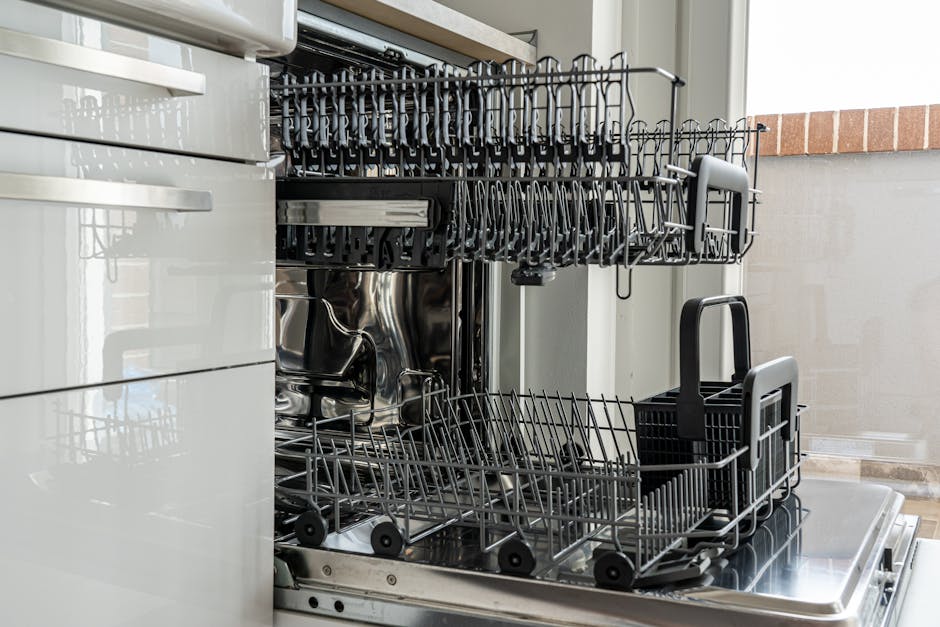
Next, inspect and clean the filter, which is typically located at the bottom of the dishwasher tub. Remove it according to your manufacturer’s instructions and rinse away any accumulated food particles and grease. A clogged filter is one of the most common causes of poor performance and can be easily resolved.
Examine the spray arms to ensure they’re not clogged with mineral deposits or food debris. Remove them if possible and clean out each hole with a toothpick or small wire. Check that they spin freely when you manually rotate them. If your dishwasher isn’t draining, inspect the drain hose for kinks or clogs. You can disconnect it and run water through it to verify it’s clear.
For leaking issues, carefully examine the door gasket for cracks, tears, or areas where it’s pulled away from the door. Sometimes simply wiping it clean and ensuring the door closes properly can resolve minor leaks. Also verify that you’re using the correct type and amount of detergent, as too much soap or the wrong formulation can cause excessive suds and potential leaks.
When to Call a Professional Repair Service
While some dishwasher issues are suitable for DIY fixes, many problems require professional expertise and specialized tools. You should call a certified technician when dealing with electrical components, as working with wiring without proper training can be dangerous and may void your warranty.

If your dishwasher has a faulty pump motor, control board, or heating element, these are complex repairs that require technical knowledge and often manufacturer-specific parts. Attempting these repairs yourself can lead to further damage and potentially higher repair costs. Similarly, if you notice water pooling under the dishwasher but can’t identify the source, a professional can diagnose hidden leaks that might be coming from the tub seal or internal hoses.
Unusual noises that persist after you’ve cleaned the filter and checked for obvious obstructions warrant professional attention. These sounds could indicate worn bearings, a failing motor, or problems with the circulation pump. Continuing to operate a dishwasher with these issues can lead to complete failure.
When your dishwasher is still under warranty, professional repair is essential to maintain coverage. Attempting repairs yourself may void the manufacturer’s warranty, leaving you responsible for the full cost of future repairs or replacement.
The Professional Repair Process
Understanding what happens during a professional dishwasher repair can help you prepare for the service call and know what to expect. A qualified technician begins with a thorough diagnostic assessment, asking about the symptoms you’ve observed and when they started. They’ll inspect the dishwasher’s components systematically, testing electrical connections, water flow, and mechanical operations.

Modern dishwashers often have diagnostic modes that technicians can access to retrieve error codes, which provide valuable clues about the specific malfunction. The technician will use specialized tools like multimeters to test electrical components and pressure gauges to check water flow rates.
Once the problem is identified, the technician will explain the issue, discuss repair options, and provide a clear estimate for parts and labor. Reputable repair services like Ice Age Home Appliance Repair offer transparent pricing before beginning work, so you’re never surprised by unexpected costs. Most common repairs can be completed during the initial service call, minimizing downtime and getting your dishwasher back in operation quickly.
Professional repairs typically include testing the dishwasher through a complete cycle to ensure everything functions correctly and checking for any secondary issues that might cause problems later. Many services also offer warranties on their repairs, providing peace of mind that if the same issue recurs within a specified period, they’ll return to fix it at no additional charge.
Preventive Maintenance to Avoid Future Repairs
Regular maintenance can significantly extend your dishwasher’s lifespan and reduce the frequency of repairs. According to the CDC’s guidelines on maintaining healthy habits, establishing routine practices leads to better long-term outcomes—a principle that applies equally well to appliance maintenance.
Clean your dishwasher filter monthly, or more frequently if you run it daily or wash heavily soiled dishes. Inspect and wipe down the door gasket regularly to prevent buildup that can compromise the seal. Once a month, run an empty cycle with a dishwasher cleaner or a cup of white vinegar placed on the top rack to remove mineral deposits and soap residue from internal components.
Check spray arms periodically to ensure the holes aren’t clogged, and verify they spin freely. Avoid overloading the dishwasher, as this can strain the motor and prevent proper water circulation. Scrape dishes before loading, but don’t pre-rinse excessively—modern dishwashers are designed to handle food residue, and some detergents actually work better when they have something to clean.
Use high-quality detergent appropriate for your water hardness level, and avoid using regular dish soap, which creates excessive suds and can damage pumps and seals. If you have hard water, consider using a rinse aid and periodically running a descaling cycle to prevent mineral buildup on heating elements and spray arms.
Cost Considerations and Repair vs. Replace Decisions
When faced with a dishwasher malfunction, one of the key questions is whether to repair or replace the appliance. Generally, if the repair cost exceeds 50% of the price of a comparable new dishwasher, and your current unit is more than five years old, replacement might be more economical in the long run.
However, this rule isn’t absolute. If you have a high-quality dishwasher that’s only a few years old, even a more expensive repair could be worthwhile. Consider the age of your appliance, its overall condition, energy efficiency, and whether parts are readily available. Older models may use more water and electricity than modern efficient units, so the ongoing operating costs should factor into your decision.
Professional repair services in the greater Phoenix area, including Tempe, Chandler, Gilbert, Mesa, and Scottsdale, typically charge a diagnostic fee that may be waived if you proceed with the repair. Common repairs like replacing a pump, heating element, or door latch usually cost significantly less than a new dishwasher, making repair the sensible choice for appliances in good overall condition.
Same-day service availability can also influence your decision. When you’re facing a dishwasher emergency, fast repairs from certified technicians can restore your household’s normal function quickly, eliminating the inconvenience of hand-washing dishes for weeks while waiting for a new appliance to be delivered and installed.
Conclusion
Dishwasher problems are inconvenient but often solvable with the right approach. While basic troubleshooting and preventive maintenance can address minor issues and extend your appliance’s life, complex repairs require professional expertise. Knowing when to attempt a DIY fix and when to call certified technicians can save you time, money, and frustration. Regular maintenance, prompt attention to problems, and working with qualified repair professionals ensure your dishwasher continues serving your household efficiently for years to come. Whether you’re dealing with drainage issues, cleaning problems, or mysterious leaks, understanding your options empowers you to make informed decisions about your appliance’s care and repair.