Author name: Alex Ovodov

Blog

Ice Age Refrigeration: Expert Repair Guide

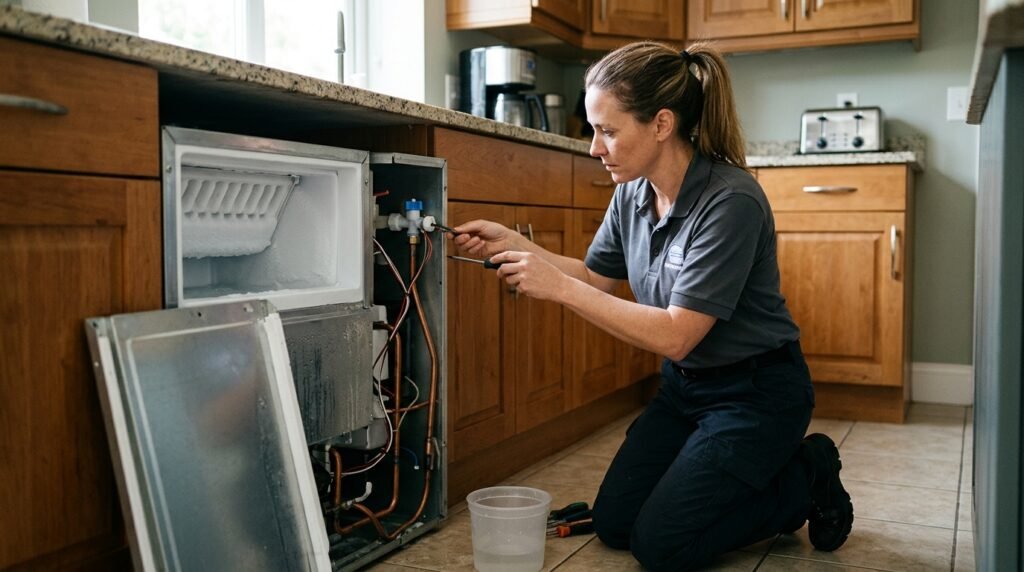
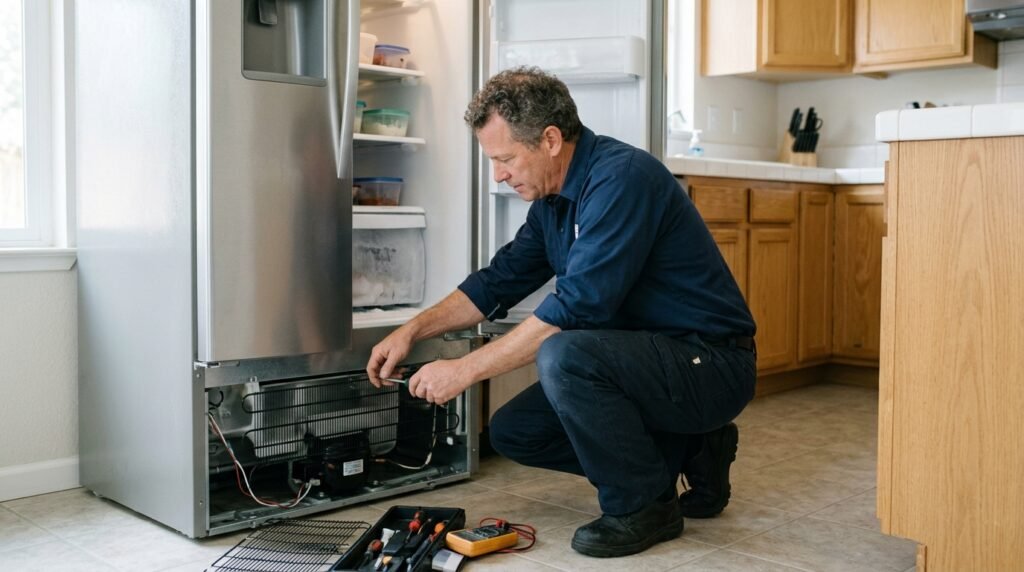
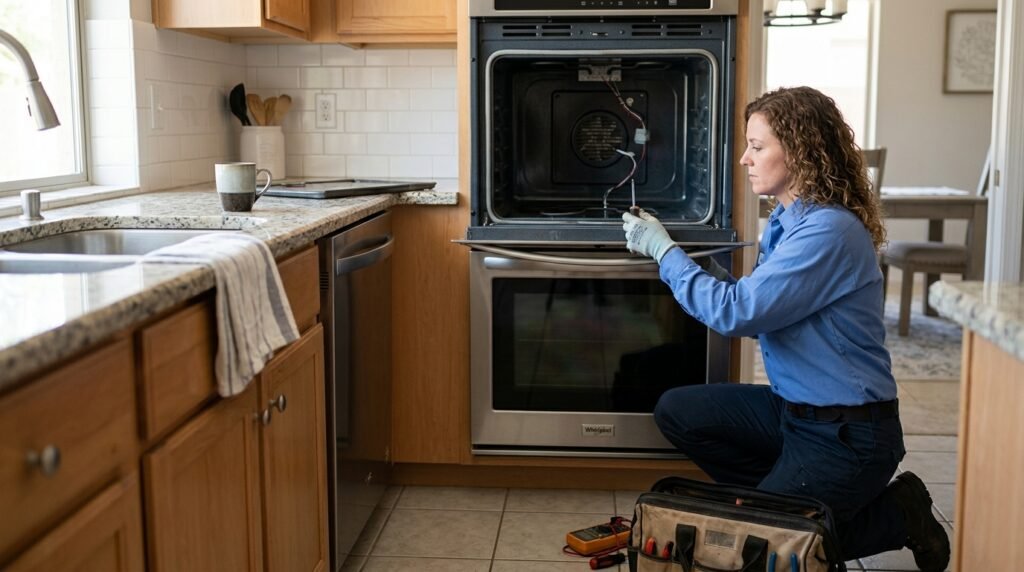
Ice Age Refrigeration: Expert Repair Guide Refrigerators are the workhorses of modern kitchens, running continuously to keep food fresh and safe. When your refrigeration system fails, especially in Arizona’s intense heat, it becomes an urgent problem that demands immediate attention. Understanding how these appliances work, recognizing common issues, and knowing when to call for professional repair can save you time, money, and prevent food spoilage. How Modern Refrigeration Systems Work Refrigerators operate on a simple yet elegant principle: they remove heat from an insulated compartment and release it elsewhere. This process relies on a continuous cycle involving four main components working in harmony. The compressor pressurizes refrigerant gas, raising its temperature. This hot, pressurized gas flows through condenser coils, typically located at the back or bottom of the unit, where it releases heat and condenses into a liquid. The liquid refrigerant then passes through an expansion valve, where pressure drops dramatically and the refrigerant becomes extremely cold. As it moves through the evaporator coils inside the refrigerator, it absorbs heat from the interior, keeping your food cold. The refrigerant, now a gas again, returns to the compressor to repeat the cycle. This continuous process maintains the ideal temperature range of 35-38°F for fresh food compartments and 0°F for freezers. Modern refrigerators include sophisticated control systems, fans for air circulation, defrost mechanisms, and insulation to maximize efficiency. Understanding this system helps homeowners recognize when something isn’t functioning properly and requires professional attention. Common Refrigeration Problems in Arizona Homes The extreme climate conditions in the Phoenix metropolitan area place additional stress on refrigeration systems. When outdoor temperatures regularly exceed 110°F during summer months, refrigerators must work harder to maintain proper cooling temperatures, leading to specific failure patterns. Insufficient Cooling: One of the most common complaints involves a refrigerator that runs constantly but doesn’t maintain proper temperatures. This can result from dirty condenser coils covered in dust—a frequent issue in desert environments—a failing compressor, or refrigerant leaks. Door seal deterioration accelerates in intense heat, allowing warm air to infiltrate the compartment. Excessive Frost Buildup: When the automatic defrost system fails, ice accumulates on evaporator coils, blocking airflow and reducing cooling efficiency. This often stems from defrost timer malfunctions, faulty defrost heaters, or problematic thermostats. In Arizona’s dry climate, this problem can initially go unnoticed as ambient humidity is low. Water Leakage: Pooling water under or inside the refrigerator typically indicates clogged defrost drains, damaged water lines to ice makers, or condensation issues. These problems can cause water damage to flooring and create conditions for mold growth. Unusual Noises: While refrigerators naturally produce operational sounds, loud rattling, buzzing, or clicking suggests mechanical problems. Failing compressors, worn fan motors, or loose components require immediate diagnosis to prevent complete system failure. Ice Maker Malfunctions: Given the essential nature of ice in Arizona homes, ice maker failures rank among the most frustrating issues. Problems range from water inlet valve failures to frozen fill tubes or electronic control board issues. Energy Efficiency and Performance Optimization According to the NHS guidelines on maintaining active lifestyles, properly functioning appliances contribute to household efficiency and reduce stress. A well-maintained refrigerator not only preserves food quality but also minimizes energy consumption—critical considerations as utility costs continue rising in 2026. Refrigerators typically consume between 100-800 kilowatt-hours annually, representing approximately 13% of household energy use. Age significantly impacts efficiency; units manufactured before 2000 consume roughly twice the energy of contemporary models. However, proper maintenance extends appliance lifespan and optimizes performance even in older units. Key efficiency factors include maintaining proper temperature settings, ensuring adequate ventilation around the unit, keeping condenser coils clean, and verifying door seals create tight closures. In Arizona’s climate, positioning refrigerators away from heat sources like ovens or direct sunlight becomes particularly important. Even a few degrees of ambient temperature increase forces the compressor to work substantially harder. The refrigerator’s location within your home affects efficiency dramatically. Garages in Arizona regularly reach temperatures exceeding design specifications for standard refrigerators, accelerating component wear and increasing energy consumption by 50% or more during summer months. When to Call Professional Repair Services While homeowners can perform basic maintenance like cleaning coils and checking door seals, most refrigeration repairs require certified technicians with specialized tools and knowledge. Refrigerant systems contain pressurized gases regulated by environmental protection standards, making DIY repairs both dangerous and illegal without proper certification. Immediate professional service becomes necessary when you observe complete cooling failure, refrigerant leaks indicated by oily residue, electrical burning odors, or visible frost accumulation preventing door closure. Temperature fluctuations exceeding 10 degrees, even if the unit continues running, warrant prompt inspection to prevent food safety issues. Certified repair technicians possess diagnostic equipment to identify problems accurately without unnecessary part replacements. They understand manufacturer-specific systems, have access to genuine replacement components, and provide warranty-backed repairs. Professional service proves especially valuable for built-in refrigerators and high-end models with complex electronic systems. For homeowners in Scottsdale and surrounding communities, selecting a local repair service ensures faster response times—critical when food preservation hangs in the balance. Same-day service availability can mean the difference between a minor inconvenience and hundreds of dollars in spoiled groceries. Preventive Maintenance for Longevity Regular maintenance significantly extends refrigerator lifespan while reducing repair frequency and energy costs. Implementing a simple quarterly maintenance routine prevents many common failures and helps identify developing problems before they cause breakdowns. Quarterly Tasks: Clean condenser coils using a vacuum and soft brush, removing accumulated dust that impedes heat dissipation. Inspect door gaskets for cracks or looseness, testing seal integrity by closing the door on a dollar bill—if it pulls out easily, replacement is necessary. Clear debris from defrost drains using warm water and a pipe cleaner. Verify interior temperature accuracy with an appliance thermometer. Annual Professional Inspection: Even well-maintained refrigerators benefit from professional evaluation. Technicians can check refrigerant levels, test electrical components, verify compressor operation, and identify wear patterns before they cause failures. This proactive approach costs considerably less than emergency repairs. Climate Considerations: Arizona’s dust and heat create unique maintenance demands.

Blog

Same Day Appliance Repair: What You Need to Know

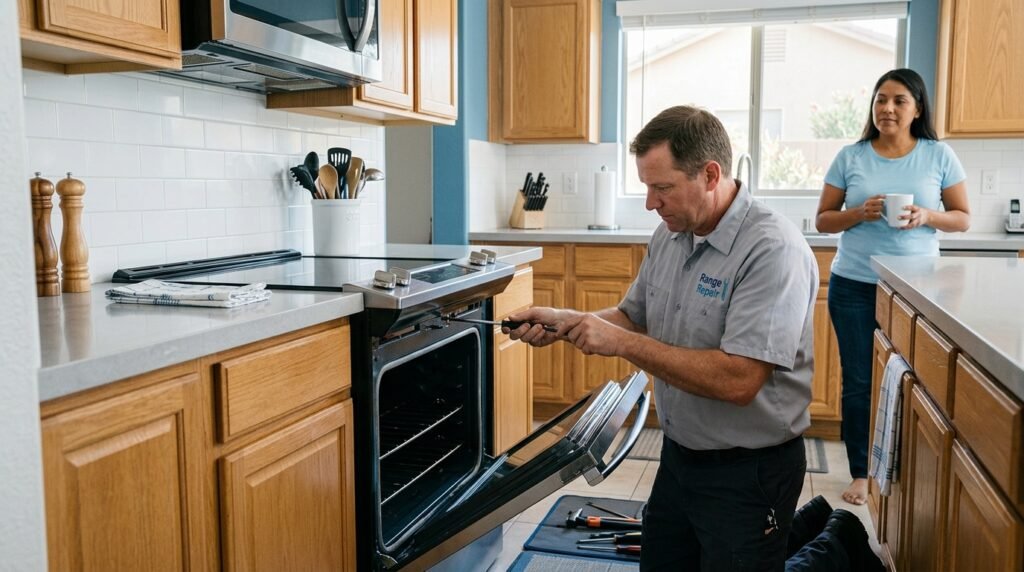
Same Day Appliance Repair: What You Need to Know When a refrigerator stops cooling or a washing machine floods the laundry room, waiting days for a repair appointment isn’t practical. Same day appliance repair services have become essential for homeowners who need immediate solutions to keep their households running smoothly. Understanding how these services work, when to use them, and what to expect can save you time, money, and significant stress. Understanding Same Day Appliance Repair Services Same day appliance repair refers to professional repair services that respond to service calls and complete repairs within the same business day. These services are designed for urgent situations where a malfunctioning appliance disrupts daily life or poses safety risks. In metropolitan areas throughout Arizona, including Scottsdale, Phoenix, and surrounding communities, many repair companies now offer this expedited service to meet growing consumer demand. The process typically involves contacting a repair company early in the day, receiving a diagnosis over the phone or during an initial visit, and having the technician complete the repair during that same visit. Professional companies like Ice Age Home Appliance Repair coordinate their schedules and maintain well-stocked service vehicles to make this possible. Most same day services cover major household appliances including refrigerators, dishwashers, washing machines, dryers, ovens, stoves, and cooktops. The key to successful same day repair lies in prompt communication, technician availability, and having common replacement parts readily accessible. When You Need Immediate Appliance Repair Not every appliance problem requires same day attention, but certain situations demand urgent response. A refrigerator that stops cooling puts hundreds of dollars of food at risk and creates health hazards within hours. Similarly, a malfunctioning oven can derail meal planning, especially when hosting guests or preparing for special occasions. Water-related emergencies rank among the most critical situations. A leaking dishwasher or washing machine can cause water damage to flooring, cabinetry, and even structural elements of your home. These issues escalate quickly, making same day repair not just convenient but necessary to prevent costly secondary damage. Climate considerations also play a role in urgency. During Arizona’s intense summer months, a broken air conditioning unit or a failing refrigerator becomes more than an inconvenience—it can be a genuine emergency. The desert heat makes reliable cooling systems essential for food safety and overall comfort. Other urgent scenarios include gas appliance malfunctions, which may present safety hazards, and complete appliance failures that occur before important events or during holidays when repair services may otherwise be unavailable. How to Prepare for Same Day Service Maximizing the chances of successful same day repair starts with early contact. Calling a repair service as soon as you notice a problem, preferably in the morning, gives technicians the best opportunity to fit your repair into their schedule. Be prepared to describe the problem in detail, including any error codes, unusual sounds, or specific symptoms you’ve observed. Before the technician arrives, clear the area around the malfunctioning appliance. Move items away from your refrigerator, clear the space around your washing machine, or remove cookware from your stove. This allows the technician to work efficiently and reduces the time needed for diagnosis and repair. Gather any documentation you have about the appliance, including the model number, purchase date, and warranty information. This information helps technicians identify the correct parts and determine coverage options. Model numbers are typically found on metal plates inside refrigerator doors, along the edges of dishwashers, or on the back of ranges and dryers. Consider the appliance’s history. If you’ve had previous repairs, knowing what was fixed and when can help technicians diagnose recurring problems more quickly. This background information often leads to more accurate and lasting solutions. What to Expect During the Repair Visit Professional same day appliance repair follows a structured process. The certified technician will first confirm the problem through diagnostic testing, often using specialized tools to measure electrical current, temperature, pressure, or other relevant metrics. This systematic approach ensures accurate identification of the root cause rather than just treating symptoms. Once diagnosed, the technician should provide a clear explanation of the problem and a transparent cost estimate before proceeding with repairs. Reputable companies offer upfront pricing without hidden fees. This transparency allows you to make informed decisions about whether to repair or replace the appliance. If the repair requires parts that the technician carries in their service vehicle, the work can often be completed immediately. Companies that prioritize same day service maintain extensive inventories of common components for major appliance brands. However, if a specialized part needs to be ordered, the technician should provide a realistic timeline for completion. After completing the repair, expect the technician to test the appliance thoroughly to ensure it operates correctly. They should also explain what caused the failure and offer maintenance tips to prevent future problems. Quality service includes cleanup of the work area and removal of any replaced parts or packaging materials. Cost Considerations and Value Same day appliance repair services may carry premium pricing compared to standard appointments scheduled days in advance. However, the additional cost often proves worthwhile when considering the alternative expenses. Replacing spoiled food from a broken refrigerator, eating out for several days due to a non-functional stove, or dealing with water damage from a leaking appliance can quickly exceed the premium for expedited service. Transparent pricing structures help homeowners understand exactly what they’re paying for. Typical costs include a service call fee, labor charges, and parts. Some companies apply the service call fee toward the total repair cost if you proceed with the work. Always request a detailed estimate before authorizing repairs to avoid surprises. According to the NHS guidelines on maintaining healthy routines, household disruptions can significantly impact daily wellness activities, making prompt appliance repair part of maintaining a functional home environment that supports healthy living. When evaluating repair versus replacement, consider the appliance’s age, overall condition, and repair history. A general rule suggests that if repair costs exceed half the price of a new appliance, replacement might be more

Blog

Amana Washer: Features, Reliability & Repair

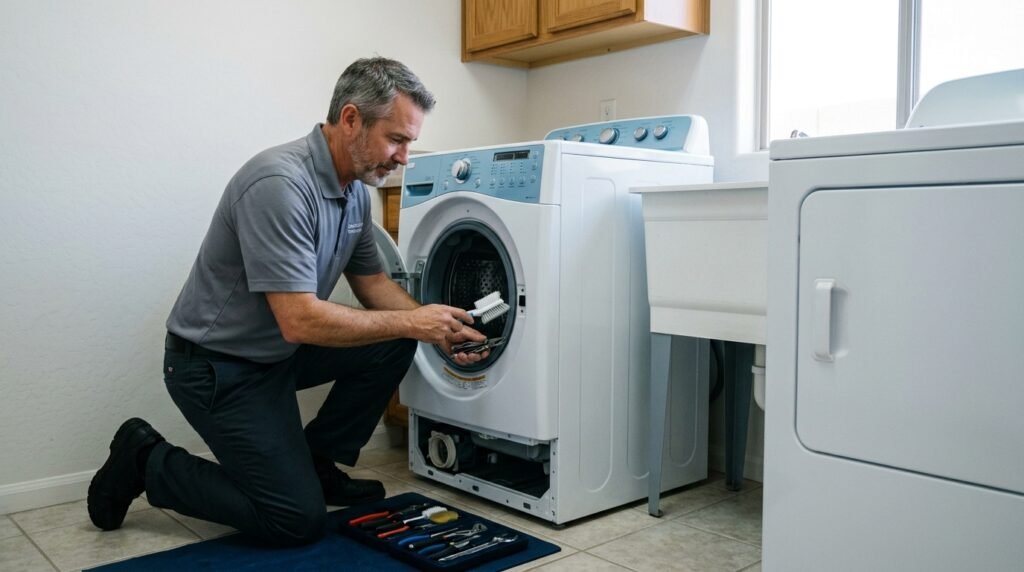
Amana Washer: Features, Reliability & Repair Amana washers have earned a solid reputation among homeowners seeking dependable laundry solutions without breaking the bank. As of 2026, these appliances continue to deliver consistent performance for families throughout the Phoenix metro area and beyond. Whether you’re considering purchasing an Amana washer or currently own one, understanding their features, common issues, and maintenance needs can help you maximize your investment and keep your laundry routine running smoothly. What Makes Amana Washers Stand Out Amana has been manufacturing home appliances for decades, building a brand identity around straightforward functionality and value-oriented pricing. Unlike some premium brands that pack in complex features, Amana focuses on delivering core washing performance with user-friendly controls that homeowners actually use. Most Amana washers feature durable stainless steel wash baskets designed to resist rust and withstand years of use. The brand offers both top-load and front-load configurations, allowing you to choose based on your space constraints, physical needs, and personal preferences. Top-load models typically provide easier access for those who prefer not to bend down, while front-load units generally offer superior water and energy efficiency. The dual-action agitator found in many Amana top-load models creates robust water circulation that helps remove tough stains from heavily soiled clothing. This design proves particularly valuable for households with children, outdoor enthusiasts, or anyone dealing with Arizona’s dusty conditions that can leave clothes particularly dirty. Energy efficiency remains a priority across Amana’s washer lineup. Many models meet or exceed Energy Star standards, helping reduce both environmental impact and utility costs—an important consideration for homeowners managing household budgets in 2026’s economic climate. Common Amana Washer Models and Their Features Amana’s washer lineup includes several distinct model families, each designed for different household needs: Traditional Top-Load Washers: These classic models feature straightforward mechanical controls, large capacity tubs (typically 3.5 to 4.3 cubic feet), and reliable performance without digital complexity. High-Efficiency Top-Load Washers: Equipped with impeller wash systems instead of traditional agitators, these models use less water while still delivering thorough cleaning. Front-Load Washers: Amana’s front-load offerings provide superior water efficiency, gentler fabric care, and stackability for space-constrained laundry areas. Combination Units: Some Amana models integrate washing and drying capabilities, ideal for apartments or homes without dedicated laundry rooms. Capacity options range from compact 3.2 cubic foot models suitable for smaller households to expansive 4.8 cubic foot units that can handle king-size comforters and large family loads in a single cycle. The variety ensures homeowners can select the right size for their specific laundry volume and space availability. Frequent Issues and Troubleshooting Tips While Amana washers are generally reliable, certain issues arise with regular use. Understanding these common problems can help you determine whether simple troubleshooting will resolve the issue or if professional washer repair is necessary. Washer Won’t Start: Before calling for service, verify that the door or lid is properly closed, the machine is plugged in securely, and the water supply valves are fully open. Check your home’s circuit breaker to ensure power is reaching the unit. If these basics check out but the washer still won’t start, the issue may involve the door latch mechanism, control board, or internal wiring requiring professional diagnosis. Excessive Vibration or Movement: Arizona homes often have concrete slab foundations that can amplify washer vibration. Ensure your washer sits level using a bubble level and adjust the leveling feet as needed. Uneven flooring, unbalanced loads, or shipping bolts that weren’t removed during installation commonly cause this problem. If leveling doesn’t solve the issue, worn shock absorbers or suspension components may need replacement. Water Not Draining Properly: Check for kinks in the drain hose and ensure it’s positioned at the correct height. Remove any visible debris from the drain pump filter—small items like coins, buttons, or pet hair can accumulate and block water flow. If the drain hose and filter are clear but water still won’t drain, the drain pump itself may have failed. Unusual Noises During Operation: Grinding, squealing, or banging sounds shouldn’t be ignored. These noises often indicate worn bearings, a failing pump, or foreign objects caught between the drum and tub. Continuing to operate a washer making unusual sounds can lead to more extensive damage and costlier repairs. Washer Not Spinning: If your washer fills and agitates but won’t spin, the issue typically involves the lid switch, drive belt, motor coupling, or motor itself. These repairs require technical expertise and proper tools to diagnose and fix correctly. Maintenance Tips to Extend Your Amana Washer’s Lifespan Proper maintenance significantly extends the working life of your Amana washer and prevents many common repair issues. Implementing these practices takes minimal time but delivers substantial benefits: Use the Right Detergent Amount: Modern high-efficiency washers require much less detergent than older models. Excessive soap creates residue buildup that can cause odors, reduce cleaning effectiveness, and strain mechanical components. Follow the detergent manufacturer’s guidelines for high-efficiency machines. Leave the Door or Lid Open Between Loads: Allowing air circulation prevents mildew and mold growth, particularly important in areas with hard water. This simple habit keeps your washer smelling fresh and protects rubber seals from premature deterioration. Clean the Dispensers Regularly: Fabric softener and detergent dispensers accumulate sticky residue over time. Remove and rinse these components monthly to prevent clogs and ensure proper product distribution during wash cycles. Inspect and Clean Inlet Screens: The small screens where water hoses connect to your washer filter incoming sediment. Arizona’s hard water can deposit minerals on these screens, restricting water flow. Inspect them every six months and clean as needed. Run Cleaning Cycles: Many Amana models include a clean washer cycle designed to remove residue and buildup. Run this cycle monthly, or use a washer cleaning solution if your model lacks this feature. This practice maintains optimal performance and prevents odor development. Check Hoses Annually: Replace rubber supply hoses every five years or immediately if you notice cracks, bulges, or other damage. Consider upgrading to braided stainless steel hoses for added durability and leak prevention. When to Call

Blog

Washer Repair: Complete Guide for Homeowners

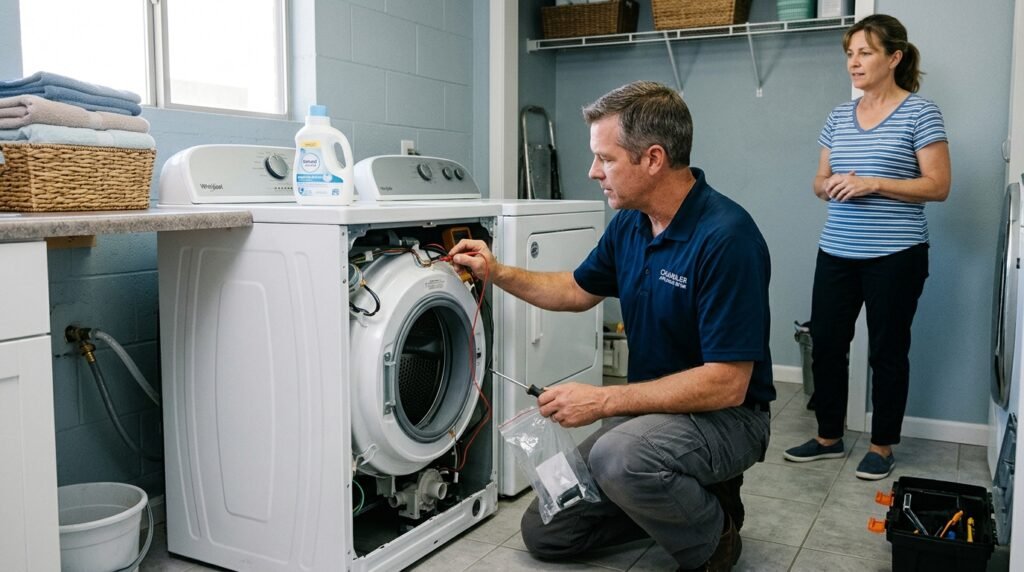
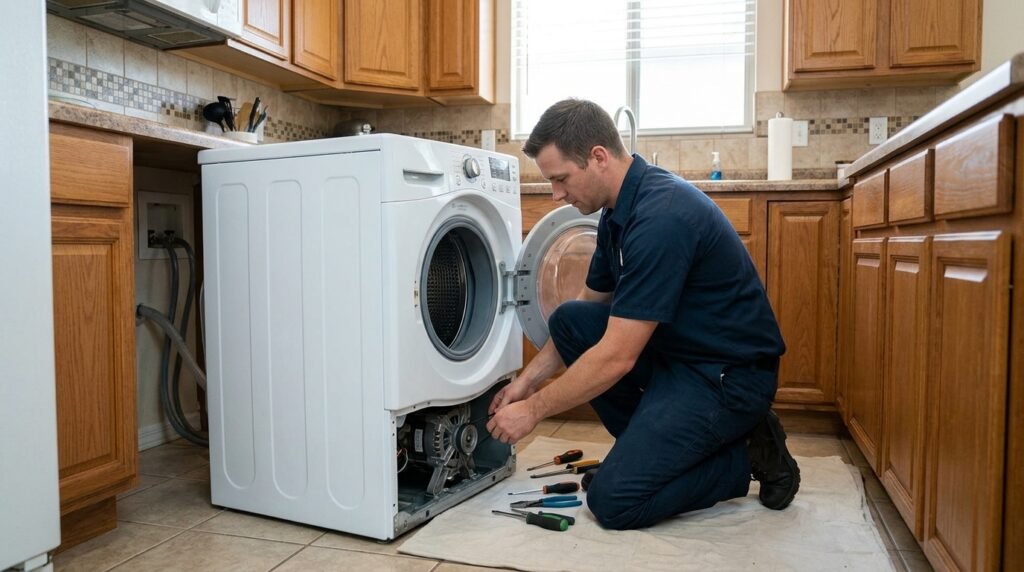
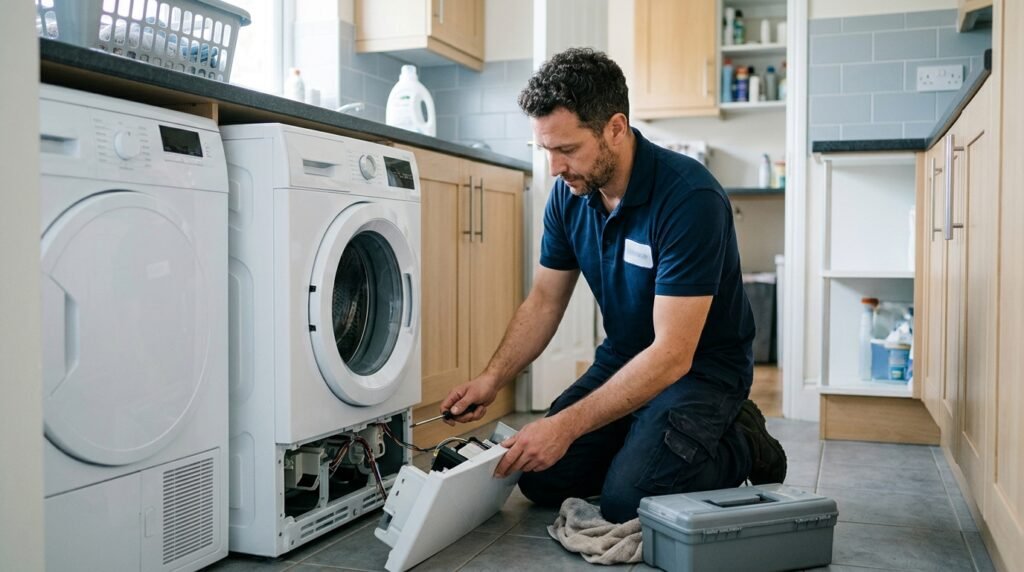
Washer Repair: Complete Guide for Homeowners When your washing machine breaks down, it disrupts your entire household routine. From accumulating dirty laundry to the stress of finding a reliable repair service, a malfunctioning washer creates immediate challenges. Understanding common washing machine problems, knowing when to call professionals, and learning how to maintain your appliance can save you time, money, and frustration. This comprehensive guide covers everything homeowners need to know about washer repair in 2026, from identifying common issues to choosing the right repair service for your needs. Common Washing Machine Problems and Their Symptoms Modern washing machines are complex appliances with numerous components that can fail over time. Recognizing the symptoms of common problems helps you communicate effectively with repair technicians and understand the urgency of the situation. The washer won’t start or power on. This issue often stems from electrical problems, faulty door locks, or control board malfunctions. Before calling for repair, check that the machine is properly plugged in and that your circuit breaker hasn’t tripped. If these basic checks don’t resolve the problem, professional diagnosis is necessary. Water won’t drain or drains slowly. Standing water in your drum indicates drainage problems, typically caused by clogged drain pumps, kinked hoses, or blocked filters. This issue requires prompt attention to prevent water damage and mold growth. The machine is leaking water. Leaks can occur from door seals, hose connections, or internal pump failures. Even small leaks warrant immediate professional attention, as they can cause significant water damage to flooring and surrounding structures. For more detailed information on preventing and addressing such issues, consult our Appliance Leak Cleanup Guide for Homeowners. Unusual noises during operation. Grinding, banging, or squealing sounds often indicate worn bearings, loose drums, or foreign objects caught in the pump. Operating a noisy machine can lead to more extensive damage if left unaddressed. The washer won’t spin or agitate properly. This problem affects cleaning performance and can result from motor issues, worn belts, or transmission failures. Clothes remaining soaking wet after the cycle completes is a clear sign of spin cycle malfunction. Error codes appearing on the display. Modern washers display diagnostic codes that indicate specific malfunctions. While you can look up these codes in your owner’s manual, professional interpretation ensures accurate diagnosis and appropriate repairs. When to Repair vs. Replace Your Washing Machine Deciding whether to repair or replace your washer depends on several factors. As a general rule, if repair costs exceed 50% of the replacement price and your machine is older than eight years, replacement might be more economical. Consider the age of your appliance. Washers typically last 10-15 years with proper maintenance. A five-year-old machine with a repairable problem is usually worth fixing, while a 12-year-old washer might be nearing the end of its useful life. For a broader perspective on maintaining various household appliances, our Age Appliance Repair: Complete Guide offers valuable insights. Evaluate repair costs against replacement. Simple repairs like replacing a door seal or drain pump are typically affordable and extend your appliance’s life by years. However, major component failures like motor or transmission issues on older units may justify replacement. Energy efficiency matters in 2026. Newer washing machines use significantly less water and electricity than models from even five years ago. According to the NHS, lifestyle efficiency improvements benefit both household budgets and environmental health. If your current washer is very old, the energy savings from a new model might offset the purchase price over time. Frequency of repairs also factors into this decision. If you’ve repaired your washer multiple times in recent years, replacement prevents the frustration and expense of ongoing breakdowns. The Washer Repair Process: What to Expect Understanding the professional repair process helps you prepare for service and ensures smooth communication with technicians. Initial assessment and diagnosis. Qualified technicians begin by gathering information about the problem, including when it started, any unusual sounds or behaviors, and error codes displayed. They’ll inspect the machine, test various components, and identify the root cause of the malfunction. Repair estimate and approval. Before performing repairs, reputable services provide transparent pricing information. This estimate includes parts and labor costs, allowing you to make informed decisions about proceeding with repairs. Parts procurement and repair completion. Some common parts may be available immediately, while others require ordering. Professional repair services maintain inventory of frequently needed components to minimize wait times. Once parts arrive, technicians complete the repair efficiently, typically within the same visit for standard issues. Testing and quality assurance. After repairs, technicians run test cycles to ensure the washer operates correctly. This verification step confirms that the problem is resolved and that no secondary issues exist. Warranty on repairs. Professional services stand behind their work with warranties covering both parts and labor. This protection provides peace of mind and demonstrates the service provider’s confidence in their repairs. Choosing a Reliable Washer Repair Service Selecting the right repair company ensures quality work, fair pricing, and minimal disruption to your household routine. Several factors distinguish excellent service providers from mediocre ones. Certification and expertise matter. Choose technicians certified to work on major appliance brands. This certification indicates they’ve received proper training and stay current with manufacturer specifications and repair techniques. Ice Age Home Appliance Repair employs certified technicians experienced with all major washing machine brands and models. Response time and availability. Washing machine failures require prompt attention. Look for services offering same-day appointments when possible, preventing laundry from piling up and reducing household stress. Transparent pricing practices. Reputable companies provide clear pricing information upfront, including diagnostic fees, labor rates, and parts costs. Avoid services that are vague about pricing or surprise you with hidden charges. Local presence and reputation. Companies serving the Phoenix metropolitan area, including Scottsdale, Tempe, Chandler, Gilbert, and Mesa, understand local service needs and maintain reputations within their communities. Local businesses depend on positive reviews and word-of-mouth recommendations. For specific insights into services available in the area, you might find our Appliance Repair in Ahwatukee: Expert Guide helpful. Comprehensive

Blog

Expert Aga Stove Service and Repair Guide

Expert Aga Stove Service and Repair Guide AGA stoves represent a significant investment in both cooking excellence and home aesthetics. These iconic cast iron ranges require specialized knowledge and expertise to maintain, repair, and service properly. Whether you own a traditional AGA cooker or a modern dual-fuel model, understanding the unique service requirements of these appliances ensures they continue to deliver exceptional performance for decades. As of 2026, AGA stove ownership in the Phoenix metropolitan area has grown steadily, with homeowners in Scottsdale, Paradise Valley, and surrounding communities appreciating both the cooking capabilities and the statement these ranges make in luxury kitchens. However, the specialized nature of AGA stoves means that standard appliance repair approaches simply don’t apply. Understanding AGA Stove Construction and Operation AGA stoves differ fundamentally from conventional ranges. Traditional AGA cookers operate on a heat-storage principle, maintaining constant temperatures in multiple ovens and on the hotplates. This design means the stove remains continuously warm, ready for cooking at any moment without preheating. Modern AGA models offer more flexibility, including programmable features that allow the stove to operate on a schedule or at reduced temperatures when not in use. These newer versions may combine electric, gas, or oil fuel sources, adding complexity to the service requirements. The cast iron construction that gives AGA stoves their exceptional heat retention also means they’re incredibly durable but require specific expertise during service calls. Components are heavy, precisely fitted, and designed to last generations when properly maintained. Common AGA Stove Service Needs Regular servicing keeps your AGA stove operating safely and efficiently. Professional technicians should inspect and address several key areas during routine maintenance visits: Burner and combustion system inspection: Gas and oil AGAs require annual checks of burners, pilot lights, and combustion chambers to ensure complete, efficient burning Flue and ventilation assessment: Proper venting prevents carbon monoxide buildup and ensures optimal draft for combustion models Thermostat calibration: Temperature consistency depends on properly calibrated thermostats and control systems Door seal replacement: Worn door seals reduce efficiency and affect cooking performance Insulation inspection: Compromised insulation increases energy consumption and reduces the stove’s effectiveness Control panel diagnostics: Modern AGA models with electronic controls require software updates and electrical system checks In the Arizona climate, where summer temperatures regularly exceed 110°F, some AGA owners prefer to reduce or switch off their stoves during the hottest months. Professional service before restarting ensures safe, efficient operation when cooler weather returns. Signs Your AGA Stove Requires Immediate Service Between scheduled maintenance visits, watch for these warning signs that indicate your AGA stove needs professional attention: Temperature inconsistencies represent the most common issue. If your roasting oven doesn’t maintain its characteristic high heat or your simmering oven runs too hot, the stove requires service. These changes affect cooking results and may indicate failing thermostats, burner issues, or insulation problems. Unusual odors should never be ignored. A gas smell indicates a potential leak requiring immediate professional response. Burning smells might suggest electrical issues in modern models or combustion problems in fuel-burning units. Visible soot or discoloration around burners or on the stove exterior suggests incomplete combustion. This condition wastes fuel, reduces efficiency, and creates potential safety hazards. Excessive fuel consumption indicates the stove isn’t operating efficiently. While AGA stoves inherently use more energy than conventional ranges due to their constant heat, a sudden increase in fuel costs suggests service needs. Mechanical noises from pumps, fans, or ignition systems in modern AGA models warrant investigation. These sounds often precede component failures that are less expensive to address when caught early. According to the National Health Service, proper ventilation in cooking areas contributes to healthier home environments. This principle applies especially to heat-storage appliances like AGA stoves, which operate continuously and require adequate airflow. Choosing Qualified AGA Service Technicians Not every appliance repair service possesses the specialized knowledge required for AGA stove maintenance and repair. These considerations help identify qualified service providers: AGA-specific training and experience: Technicians should have documented experience with AGA stoves specifically, not just general appliance repair backgrounds. The unique construction and operation of these ranges require specialized knowledge. Parts availability: Quality service providers maintain relationships with AGA parts suppliers, ensuring genuine replacement components are available when needed rather than relying on generic substitutes. Comprehensive diagnostic capabilities: Modern AGA models incorporate sophisticated control systems. Service technicians need appropriate diagnostic equipment to troubleshoot electronic components accurately. Fuel system certification: Gas and oil-burning AGA stoves require technicians with proper certifications for working on fuel-burning appliances, ensuring compliance with local safety codes. Insurance and licensing: Verify that service providers carry appropriate liability insurance and hold required state and local licenses for appliance repair work. Ice Age Home Appliance Repair brings certified expertise to AGA stove service throughout Scottsdale, Phoenix, Tempe, Chandler, Gilbert, and Mesa. Our technicians understand the unique requirements of these prestigious appliances and provide transparent pricing with same-day service availability for urgent repairs. Preventive Maintenance for AGA Stove Longevity Between professional service visits, homeowners can take several steps to maintain their AGA stoves: Daily cleaning: Wipe down hotplates and clean spills promptly. The continuous heat of traditional AGA stoves can bake on spills, making them harder to remove later. Use appropriate cleaners designed for vitreous enamel surfaces. Weekly inspection: Check that all doors close properly and seal completely. Inspect visible components for any signs of wear, rust, or damage. Monthly checks: For fuel-burning models, visually inspect the flue and ensure ventilation remains unobstructed. Listen for any unusual sounds during operation. Seasonal considerations: If you reduce or turn off your AGA during summer months, follow manufacturer guidelines for shutdown and restart procedures. Professional service before restarting ensures safe operation. Record keeping: Maintain documentation of all service visits, repairs, and parts replacements. This history helps technicians diagnose recurring issues and proves valuable for warranty claims or if you sell your home. The Value of Professional AGA Stove Service Regular professional service extends the operational life of your AGA stove while maintaining the efficiency, safety, and cooking performance that justified your initial

Blog

Age Appliance Repair: Complete Guide

Age Appliance Repair: Complete Guide Home appliances don’t last forever. As refrigerators, dishwashers, washing machines, and other essential household equipment age, they require maintenance, repairs, or replacement. Understanding how age affects appliance performance helps homeowners make informed decisions about repair versus replacement, budgeting for service, and maximizing the lifespan of their investments. How Age Affects Appliance Performance Every appliance experiences wear and tear over time. Components degrade, seals deteriorate, and efficiency declines as units accumulate years of operation. The relationship between age and performance isn’t always linear—some appliances fail prematurely due to manufacturing defects or improper use, while others exceed their expected lifespan with proper maintenance. Older appliances typically consume more energy than newer models. A refrigerator manufactured in 2016 uses significantly more electricity than a 2026 model with modern compressor technology and improved insulation. This increased energy consumption translates directly to higher utility bills, sometimes offsetting the cost of repair or replacement within just a few years. As appliances age, repair frequency increases. A five-year-old dishwasher might need occasional attention, while a fifteen-year-old unit often requires multiple service calls annually. Parts become harder to source for older models, and labor costs can accumulate quickly when dealing with obsolete components or complex issues requiring extensive troubleshooting. Average Lifespan of Major Home Appliances Understanding typical appliance lifespans helps homeowners anticipate replacement needs and make smart repair decisions: Refrigerators: 10-15 years, with built-in models often lasting longer than freestanding units Dishwashers: 8-12 years, depending on usage frequency and water quality Washing machines: 10-14 years for top-loaders, 8-12 years for front-loaders Dryers: 10-13 years, with gas models typically outlasting electric units Ovens and ranges: 13-15 years for gas, 10-15 years for electric Cooktops: 15-20 years for gas, 10-15 years for electric or induction Microwaves: 7-10 years with regular use These estimates reflect average conditions. Actual lifespan varies based on brand quality, maintenance practices, usage patterns, and environmental factors. Arizona’s climate, with extreme heat and hard water in many areas, can accelerate wear on certain components, particularly in cooling appliances and water-using equipment. When to Repair vs Replace an Aging Appliance The repair-or-replace decision depends on multiple factors beyond simple age calculations. The 50 percent rule provides a useful starting point: if repair costs exceed 50 percent of replacement cost and the appliance has reached at least 50 percent of its expected lifespan, replacement often makes financial sense. Consider repair when: The appliance is less than halfway through its expected lifespan Repair costs are minimal (under 30 percent of replacement cost) The unit is a high-end model with superior features unavailable in budget replacements The failure involves a single component rather than multiple systems Parts are readily available and service can be completed quickly Consider replacement when: The appliance has exceeded its expected lifespan Repair costs approach or exceed 50 percent of a new unit’s price The appliance has required multiple repairs in recent years Energy efficiency improvements would generate significant savings Safety concerns exist, particularly with gas appliances or electrical issues According to the NHS, maintaining physical health requires regular activity—a principle that applies equally to home appliances. Regular maintenance extends lifespan and prevents costly breakdowns regardless of age. Common Age-Related Appliance Problems Different appliances develop characteristic issues as they age. Recognizing these patterns helps homeowners respond appropriately: Refrigerators: Compressor failure, refrigerant leaks, door seal deterioration, and thermostat malfunctions become increasingly common after the ten-year mark. Temperature inconsistency and excessive frost buildup often signal aging components requiring professional attention. Dishwashers: Pump failures, spray arm clogs, and door latch problems plague older units. Hard water deposits accumulate in heating elements and spray jets, reducing cleaning effectiveness and requiring descaling or component replacement. Washing machines: Drive belts, bearings, and transmission components wear out with use. Front-loaders particularly suffer from door seal mold and drainage issues as rubber components age. Excessive vibration or unusual noises typically indicate bearing or suspension problems requiring immediate attention. Dryers: Heating element failure, thermostat issues, and drum bearing wear affect older units. Lint accumulation in aging venting systems creates fire hazards requiring thorough cleaning and inspection. Ovens and ranges: Igniter failure in gas models, heating element burnout in electric units, and control board malfunctions increase with age. Temperature calibration drift affects cooking performance as thermostats wear. Maintaining Aging Appliances for Maximum Lifespan Proactive maintenance significantly extends appliance lifespan and reduces repair frequency. Even older appliances benefit from regular care: Refrigerators: Clean condenser coils quarterly, check door seals annually, and maintain proper temperature settings. Keep the unit away from heat sources and ensure adequate ventilation around the compressor area. Dishwashers: Run monthly cleaning cycles with specialized dishwasher cleaner, inspect and clean spray arms regularly, and check the door seal for damage. Use rinse aid to prevent hard water buildup on heating elements and internal components. Washing machines: Leave the door open between uses to prevent mold growth, use appropriate detergent amounts, and run monthly cleaning cycles. Inspect hoses annually and replace them every five years regardless of apparent condition. Dryers: Clean the lint trap after every load, inspect and clean the external vent annually, and check the drum seal for wear. Avoid overloading, which stresses mechanical components and reduces efficiency. Ovens and cooktops: Clean spills promptly, avoid using oven liners that block ventilation, and calibrate temperature annually. For gas appliances, inspect burners regularly and ensure proper flame color and pattern. Professional Repair Services for Aging Appliances As appliances age, professional repair becomes increasingly important. Trained technicians diagnose complex issues, source appropriate parts, and complete repairs safely and efficiently. For homeowners throughout the Phoenix metro area, including Scottsdale, Tempe, Chandler, Gilbert, and Mesa, professional appliance repair services provide essential support for aging household equipment. Certified repair services offer several advantages over DIY approaches or unlicensed technicians. Professional diagnostics identify root causes rather than addressing symptoms, preventing recurring failures and unnecessary part replacements. Experienced technicians work efficiently with older models, understanding common failure patterns and having access to parts inventories that include components for discontinued units. Same-day service availability proves particularly valuable when

Blog

Appliance Cleaning Service Guide

Appliance Cleaning Service Guide Home appliances work tirelessly to keep your household running smoothly, but they also accumulate grime, grease, and mineral deposits that can affect their performance and longevity. Professional appliance cleaning services and proper maintenance routines are essential for ensuring your appliances operate efficiently and last for years to come. Understanding when to clean, what to clean, and when to call for professional help can save you money and prevent costly repairs down the line. As of 2026, homeowners increasingly recognize that appliance cleaning is not just about aesthetics—it’s about functionality, energy efficiency, and food safety. Whether you own a refrigerator, dishwasher, oven, or washing machine, each appliance requires specific cleaning techniques to maintain optimal performance. Why Regular Appliance Cleaning Matters Regular cleaning of your home appliances delivers multiple benefits that extend beyond simple cleanliness. When appliances are properly maintained, they consume less energy, operate more quietly, and break down less frequently. Built-up residue can force motors to work harder, compressors to cycle more often, and heating elements to struggle, all of which increase your utility bills and accelerate wear and tear. Food safety is another critical consideration. Refrigerators, dishwashers, and ovens can harbor bacteria, mold, and food particles that contaminate your meals and create unpleasant odors. A thorough cleaning eliminates these health hazards and keeps your kitchen environment sanitary. Furthermore, regular maintenance helps you spot potential problems early. During a cleaning session, you might notice worn gaskets, loose connections, or unusual sounds that indicate a repair need. Addressing these issues promptly prevents minor concerns from becoming major breakdowns. Essential Appliances That Need Professional Cleaning While some appliances can be adequately cleaned with household products and elbow grease, others benefit significantly from professional attention. Understanding which appliances require specialized cleaning helps you allocate your maintenance budget wisely. Refrigerators and Freezers Your refrigerator runs 24 hours a day, making it one of the hardest-working appliances in your home. Professional cleaning includes coil maintenance, drain line clearing, gasket inspection, and interior sanitization. Dirty condenser coils can reduce cooling efficiency by up to 25 percent, forcing your refrigerator to consume more electricity while struggling to maintain proper temperatures. Ovens and Cooktops Baked-on grease and food residue inside ovens can create smoke, unpleasant odors, and even fire hazards. Professional oven cleaning services use specialized products and techniques to remove stubborn buildup from heating elements, racks, and interior surfaces without damaging sensitive components. For homes in the Phoenix metropolitan area where cooking is year-round, this maintenance becomes especially important. Dishwashers Ironically, the appliance designed to clean dishes needs regular cleaning itself. Mineral deposits from hard water, food particles, and soap scum accumulate in spray arms, filters, and drain systems. Professional dishwasher cleaning ensures proper water flow, eliminates odors, and prevents clogs that can lead to flooding or poor cleaning performance. Washing Machines and Dryers Washing machines develop mold, mildew, and detergent buildup, particularly in front-loading models. Dryers accumulate lint in areas beyond the removable filter, creating fire risks and reducing drying efficiency. Professional cleaning addresses these hidden problem areas and ensures your laundry appliances operate safely. DIY Cleaning vs. Professional Service Homeowners often wonder whether they should tackle appliance cleaning themselves or hire professionals. The answer depends on several factors, including the appliance type, the severity of buildup, and your comfort level with appliance maintenance. Basic maintenance tasks are suitable for DIY efforts. Wiping down refrigerator shelves, cleaning dishwasher filters, removing lint from dryer vents, and spot-cleaning oven surfaces are all manageable tasks for most homeowners. These routine activities should occur monthly or quarterly, depending on usage patterns. However, deep cleaning and maintenance requiring disassembly, specialized tools, or technical knowledge are best left to professionals. Tasks like cleaning refrigerator coils located behind panels, descaling commercial-grade dishwashers, or thoroughly cleaning gas oven burner assemblies require expertise to avoid damaging components or creating safety hazards. Professional appliance cleaning services bring the right tools, products, and experience to complete thorough jobs efficiently. Technicians can identify wear patterns, potential failures, and maintenance needs that untrained eyes might miss. This comprehensive approach combines cleaning with preventive maintenance, offering better value than cleaning alone. Combining Cleaning with Repair Services Smart homeowners recognize that appliance cleaning and repair services complement each other perfectly. When a technician visits your home for a repair, they can often perform cleaning and maintenance on the same appliance or address other units while they’re already on-site. This approach saves service call fees and ensures your appliances receive comprehensive attention. Ice Age Home Appliance Repair combines expertise in refrigerators, dishwashers, stoves, washers, dryers, ovens, and cooktops with an understanding of how proper cleaning extends appliance life. Their certified technicians serving Scottsdale, Tempe, Chandler, Gilbert, Mesa, and Phoenix can assess whether your appliance issue stems from a mechanical failure or simply requires thorough cleaning and maintenance. Many appliance problems masquerade as failures when they’re actually maintenance issues. A refrigerator that doesn’t cool properly might just need coil cleaning. A dishwasher leaving spots on glasses might simply need descaling. An oven heating unevenly could benefit from cleaning around the heating elements. Experienced technicians distinguish between true repairs and maintenance needs, saving you money on unnecessary part replacements. Creating an Appliance Maintenance Schedule Consistency is key to effective appliance maintenance. Creating a schedule ensures nothing gets overlooked and problems don’t develop unnoticed. A well-planned maintenance calendar balances DIY efforts with professional services for optimal results and cost-effectiveness. Monthly tasks should include cleaning refrigerator exteriors and handles, wiping down oven and cooktop surfaces, checking dishwasher filters, and removing lint from dryer filters. These quick activities take minimal time but prevent buildup from becoming severe. Quarterly maintenance involves deeper cleaning: refrigerator interior sanitization, oven interior spot-cleaning, dishwasher drain inspection, and washing machine drum cleaning. These tasks require more time but remain manageable for most homeowners. Annual professional service should include refrigerator coil cleaning, complete oven deep-cleaning, dishwasher descaling and spray arm maintenance, dryer vent system cleaning, and washing machine hose inspection. Professional attention at this frequency keeps appliances operating at

Blog

Appliance Installer: Professional Services

Appliance Installer: Professional Services When purchasing new kitchen appliances or upgrading laundry equipment, proper installation is critical to ensuring optimal performance, safety, and longevity. While many homeowners consider DIY installation to save money, working with a professional appliance installer offers significant advantages that extend far beyond simply connecting a machine to power and water lines. Understanding what appliance installers do, when to hire them, and what to expect from the process helps homeowners make informed decisions about their home improvement investments. What Does an Appliance Installer Do? Professional appliance installers specialize in the proper setup and connection of household appliances, ensuring they meet manufacturer specifications and local building codes. Their responsibilities extend well beyond basic hookups, encompassing a comprehensive range of services that protect both your investment and your home. An experienced installer begins by carefully removing old appliances when necessary, disconnecting gas lines, water supplies, and electrical connections safely. They inspect the installation area to ensure adequate space, proper ventilation, and appropriate utility connections. This preliminary assessment identifies potential issues before they become costly problems. The installation process itself requires technical expertise. Installers level refrigerators and washing machines to prevent operational issues and premature wear. They properly connect gas lines for ranges and dryers, checking for leaks that could pose serious safety hazards. Water line connections for refrigerators, dishwashers, and washing machines must be secured correctly to prevent flooding. Electrical connections need to match voltage requirements and include proper grounding for safety. After physical installation, professionals test appliances to verify proper operation. They check for leaks, ensure correct cycling, verify temperature controls, and confirm that all features function as designed. This testing phase often reveals issues that might not be immediately apparent to an untrained eye. Benefits of Hiring Professional Installers The value of professional installation becomes clear when considering the complexity and potential risks involved in appliance setup. Safety stands as the primary concern—improper gas line connections can lead to dangerous leaks or carbon monoxide issues, while incorrect electrical work creates fire hazards. Professional installers carry liability insurance that protects homeowners from damage that might occur during installation. This coverage provides peace of mind that DIY approaches cannot match. Additionally, many appliance manufacturers require professional installation to maintain warranty coverage. Attempting self-installation may void these warranties, leaving homeowners responsible for expensive repairs that would otherwise be covered. Time savings represent another significant advantage. What might take an inexperienced homeowner an entire day—or longer if complications arise—a professional installer completes efficiently in a couple of hours. They arrive with the proper tools, knowledge, and experience to handle unexpected challenges without multiple trips to hardware stores or frantic internet searches. In the Phoenix metro area, where temperatures regularly exceed 110 degrees during summer months, properly installed air conditioning units and refrigerators face extreme demands. Professional installers understand local environmental factors and ensure appliances are positioned and connected to handle Arizona’s harsh climate conditions effectively. Common Appliances Requiring Professional Installation While some appliances are relatively straightforward to install, others demand professional expertise due to their complexity or the hazards involved in improper setup. Gas ranges and dryers top the list of appliances that should always be professionally installed. Gas line connections require specialized knowledge and tools to ensure safe, leak-free operation. The consequences of improper gas appliance installation can be catastrophic, making professional service non-negotiable for most homeowners. Built-in refrigerators require precise measurements, custom cabinetry integration, and careful attention to ventilation requirements. These high-end appliances represent substantial investments that demand expert installation to function correctly and maintain efficiency. Dishwashers involve plumbing, electrical connections, and proper mounting to prevent leaks and ensure stability. While they may seem simpler than other appliances, incorrect installation commonly leads to water damage that far exceeds the cost of professional service. Over-the-range microwaves need secure mounting to support significant weight and proper ducting for ventilation. Improper installation creates safety hazards and reduces appliance effectiveness. Washing machines, particularly front-loading models, require careful leveling and proper drain connections. Unbalanced machines experience premature wear and can cause structural damage to floors through excessive vibration. Choosing the Right Installation Service Selecting a qualified appliance installer protects your investment and ensures safe operation. Start by verifying licensing and insurance coverage. Arizona requires contractors to be licensed for certain types of work, and proper insurance protects homeowners from liability if accidents occur during installation. Experience matters significantly in appliance installation. Companies that specialize in appliance services, like Ice Age Home Appliance Repair, bring deep knowledge of various brands and models, understanding the specific requirements and common challenges associated with different manufacturers. This expertise proves invaluable when complications arise or when working with premium appliances that have unique installation requirements. According to research on proper techniques, attention to detail and following manufacturer specifications produces the best long-term outcomes—a principle that applies equally to appliance installation as to other technical tasks. Customer reviews and references provide insight into an installer’s reliability and quality of work. Look for consistent positive feedback about punctuality, professionalism, cleanliness, and problem-solving ability. Companies offering same-day service demonstrate the capacity and organization necessary to respond quickly to customer needs. Transparent pricing eliminates surprises and builds trust. Reputable installers provide clear estimates that include all necessary components and labor. They explain what the installation involves and identify any potential complications upfront rather than adding unexpected charges later. Installation Process and What to Expect Understanding the typical installation process helps homeowners prepare and ensures smooth service. Professional installers typically request basic information before arrival: appliance make and model, installation location measurements, and existing utility connection types. This preparation allows them to bring appropriate tools and materials. On installation day, the technician first inspects the space and existing connections. They identify any issues that might complicate installation, such as outdated electrical outlets, incompatible water lines, or insufficient clearance. Addressing these concerns before beginning installation prevents delays and ensures code compliance. The old appliance removal, when needed, is handled carefully to prevent damage to flooring, walls, or doorways. Professional installers know how to navigate

Blog

Appliance Repair in Ahwatukee: Expert Guide

Appliance Repair in Ahwatukee: Expert Guide Ahwatukee Foothills, nestled in the southern reaches of Phoenix, is home to thousands of families who depend on their household appliances daily. When a refrigerator stops cooling or a dishwasher fails mid-cycle, residents need prompt, professional solutions. Understanding your options for appliance repair in Ahwatukee can save you time, money, and the stress of prolonged inconvenience. As of 2026, the appliance repair industry continues to evolve with smarter diagnostics and more efficient service models. Homeowners in Ahwatukee and surrounding areas now have access to certified technicians who can address issues with all major appliance brands, often providing same-day service that gets households back to normal quickly. Common Appliance Problems Ahwatukee Residents Face The desert climate and mineral-rich water in the Phoenix area create unique challenges for household appliances. Ahwatukee homeowners frequently encounter specific issues that require professional attention. Refrigerator malfunctions top the list of emergency repairs. Problems range from inconsistent temperatures and ice maker failures to complete cooling system breakdowns. In Arizona’s heat, a non-functioning refrigerator becomes a critical issue within hours, potentially spoiling hundreds of dollars worth of groceries. For comprehensive guidance on such issues, refer to our Fridge Repair: Expert Guide for Homeowners. Dishwashers in the region often struggle with hard water deposits that affect spray arms, heating elements, and drainage systems. These mineral buildups reduce cleaning efficiency and can lead to mechanical failures if not addressed. Regular maintenance and timely repairs help extend the lifespan of these essential appliances. Washing machines and dryers face their own set of challenges. Front-loading washers may develop seal issues or drainage problems, while dryers commonly experience heating element failures or vent blockages. The latter poses both efficiency concerns and potential safety hazards that require immediate professional assessment. Ovens, ranges, and cooktops also require specialized repair expertise. Faulty igniters, broken heating elements, and malfunctioning control boards can render these appliances unsafe or unusable. Gas appliances, in particular, demand certified technicians who understand both mechanical and safety protocols. Why Choose Professional Repair Over Replacement Many Ahwatukee homeowners face the repair-versus-replace dilemma when an appliance breaks down. While replacement might seem like the simplest solution, professional repair often proves more economical and environmentally responsible. The consumer electronics industry has seen increasing focus on sustainability, and appliance repair aligns with these values. Quality appliances built in recent years are designed to last 10-15 years with proper maintenance and timely repairs. Replacing a five-year-old refrigerator due to a repairable compressor issue wastes both money and resources. Cost comparison strongly favors repair in most scenarios. A typical refrigerator repair ranges from $200 to $500, while replacement costs start at $1,000 and easily exceed $3,000 for comparable quality. Dishwashers, washers, and dryers follow similar patterns, with repairs typically costing 25-40% of replacement expenses. Professional technicians can diagnose issues accurately, ensuring you only pay for necessary repairs. Ice Age Home Appliance Repair provides transparent pricing and certified service, helping Ahwatukee residents make informed decisions about their appliances. Their expertise covers all major brands and models, bringing specialized knowledge to each service call. If you’re dealing with issues like a sudden leak, our Appliance Leak Cleanup Guide can provide immediate steps and advice. Time considerations also matter. Quality repair services offer same-day appointments, restoring your appliance to working order within hours. Replacement involves shopping, delivery scheduling, installation, and often disposal of the old unit—a process that can take weeks and leave you without essential appliances. What to Expect from Quality Appliance Repair Services Understanding the repair process helps Ahwatukee homeowners prepare for service appointments and recognize quality workmanship when they see it. Initial contact should include clear communication about symptoms, appliance age, and brand. Reputable companies provide upfront estimates and scheduling flexibility, including same-day service for urgent situations. They respect your time by offering specific appointment windows rather than vague all-day ranges. Certified technicians arrive equipped with common replacement parts and diagnostic tools. They should identify themselves, protect your flooring and surrounding areas, and explain the diagnostic process. Professional service includes thorough examination beyond the obvious symptom, as underlying issues often manifest in multiple ways. Transparent pricing means receiving a detailed explanation of the problem, required repairs, and associated costs before work begins. You should never feel pressured to approve repairs immediately. Quality providers respect your need to consider options and ask questions. The repair itself should be completed efficiently, with testing to ensure proper function. Technicians clean their work area and explain what was done, why it was necessary, and how to prevent similar issues. Warranty information on both parts and labor provides additional peace of mind. Preventive Maintenance Tips for Ahwatukee Homeowners Arizona’s unique climate requires specific maintenance practices that differ from recommendations in other regions. Implementing these strategies extends appliance lifespan and reduces emergency repair needs. For refrigerators, clean condenser coils every three months rather than the standard six. Dust and debris accumulate faster in desert environments, forcing cooling systems to work harder. Check door seals regularly, as heat and UV exposure can cause premature deterioration. Keep the interior organized to allow proper air circulation. Dishwashers benefit from monthly cleaning cycles using specialized cleaners that remove mineral deposits. Inspect and clean spray arms and filters regularly. Consider installing a water softener if you have particularly hard water, as this protects not just your dishwasher but all water-using appliances. Washing machines require attention to hoses, which should be replaced every five years regardless of appearance. Check for leaks around connections and ensure the machine is level to prevent excessive vibration. Front-loaders need door seals wiped down after each use to prevent mold growth. Dryer maintenance centers on lint management. Clean the lint trap after every load, and have vents professionally cleaned annually. Restricted airflow makes dryers work harder and creates fire hazards. Inspect the vent hood outside your home to ensure it opens properly when the dryer runs. For cooking appliances, keep burner ports clean on gas ranges, wipe up spills immediately to prevent baked-on residue, and test oven temperatures periodically

Blog

Appliance Leak Cleanup Guide for Homeowners

Appliance Leak Cleanup Guide for Homeowners Water damage from appliance leaks can quickly escalate from a minor inconvenience to a major home emergency. Whether it’s a refrigerator pooling water on your kitchen floor or a washing machine flooding your laundry room, knowing how to respond quickly can save you thousands of dollars in repairs and prevent long-term structural damage to your home. As homeowners in the Phoenix metropolitan area know well, appliance issues can’t wait in our climate. The combination of hard water, high usage due to our desert environment, and daily wear on major appliances means leaks happen more frequently than many realize. Understanding the proper cleanup process is essential for protecting your home and family. Immediate Steps When You Discover a Leak The first moments after discovering an appliance leak are critical. Your immediate response can prevent water from spreading and causing extensive damage to flooring, cabinetry, and even structural elements of your home. Turn off the water supply to the leaking appliance immediately. Most refrigerators with ice makers and water dispensers have a shut-off valve behind or beneath the unit. Washing machines and dishwashers typically have dedicated shut-off valves nearby. If you cannot locate the specific valve, turn off your home’s main water supply as a precaution. Disconnect the appliance from power before approaching standing water. Water and electricity create dangerous conditions. Unplug the appliance or switch off the circuit breaker controlling that area of your home. Never step into pooled water while the appliance remains connected to power. Remove standing water quickly to minimize absorption into floors and walls. Use towels, mops, and a wet-dry vacuum if available. The longer water sits, the more damage it causes. In Arizona’s low humidity, you might think water evaporates quickly, but trapped moisture beneath flooring or within walls creates ideal conditions for mold growth. Assessing the Damage and Source Once you’ve contained the immediate crisis, determine where the water originated and how far it has spread. Different appliances have common failure points that help identify the source. Refrigerator leaks typically stem from clogged defrost drains, damaged water supply lines, or malfunctioning ice makers. Check behind and beneath the unit, as water often travels before becoming visible. Pull the refrigerator forward carefully to inspect the back panel and floor underneath. Dishwasher leaks commonly occur from worn door seals, loose hose connections, or damaged spray arms. Water may pool directly in front of the unit or seep beneath cabinetry. Open the dishwasher and check for water inside the tub that hasn’t drained properly. Washing machine leaks frequently result from hose failures, pump issues, or overloading. Check all connection points where hoses attach to the machine and the wall. Front-loading machines may leak from the door seal, while top-loaders often leak from the tub or pump. Understanding the leak source helps prevent recurrence and informs your cleanup strategy. Some leaks indicate minor repairs needed, while others signal that your appliance requires professional attention. Proper Cleanup and Drying Techniques Effective cleanup extends beyond removing visible water. Thorough drying prevents secondary damage that often costs more than the initial leak. Start by removing any wet items from the affected area. This includes rugs, towels, and any belongings stored near the appliance. Wet fabrics and materials can transfer moisture to unaffected areas and develop mildew if not properly dried or cleaned. Dry the floor completely using absorbent towels and fans. Place fans to create cross-ventilation that accelerates drying. In our Arizona climate, opening windows might help if outdoor humidity is low, though air conditioning typically provides better moisture control. Focus airflow on areas where water pooled or seeped beneath appliances or cabinetry. Check beneath flooring materials if water was present for more than a few minutes. Tile grout can channel water beneath tiles, and laminate flooring absorbs moisture at seams. Hardwood floors are particularly vulnerable to water damage. If you notice buckling, warping, or discoloration, the subfloor may be compromised and require professional assessment. Inspect walls and baseboards near the leak. Water travels along the path of least resistance and can wick up drywall or behind baseboards. Press gently on walls near the floor to check for soft spots indicating water absorption. Remove baseboards if they’re visibly wet to allow walls to dry properly. Consider using a dehumidifier in the affected room for 24-48 hours after cleanup. This removes lingering moisture from the air and materials, providing additional protection against mold development. According to the NHS, maintaining healthy indoor environments includes controlling moisture levels to prevent respiratory irritants. When to Call Professional Services Some appliance leak situations require expertise beyond standard cleanup. Knowing when to seek professional help protects your investment and ensures safe, lasting repairs. Extensive water damage that affects multiple rooms, soaks into carpeting, or compromises structural elements needs professional water damage restoration. These specialists have industrial-grade equipment to extract water from materials and detect hidden moisture using infrared cameras and moisture meters. Appliance repairs should be handled by certified technicians, especially for complex systems like refrigerators and dishwashers. Attempting DIY repairs on modern appliances often voids warranties and can create new problems. Professional appliance repair services provide proper diagnosis, manufacturer-approved parts, and guaranteed workmanship. Recurring leaks indicate underlying issues that require expert troubleshooting. If you’ve experienced multiple leaks from the same appliance or notice water damage patterns that don’t align with obvious sources, professional assessment identifies hidden problems before they escalate. Mold concerns warrant immediate professional attention. If you notice musty odors, visible mold growth, or if water remained undiscovered for more than 24 hours, mold remediation specialists should evaluate the area. Mold spreads quickly in hidden spaces and creates health hazards when disturbed improperly. Prevention Strategies for Future Leaks Proactive maintenance dramatically reduces the likelihood of appliance leaks and the cleanup headaches they create. Implementing simple prevention strategies saves money and stress over time. Regular appliance inspections catch small issues before they become major leaks. Check hose connections quarterly for signs of wear, corrosion, or looseness. Examine water supply lines

Scroll to Top