Author name: Alex Ovodov

Blog

Ceramic Stove Repair: Complete Guide

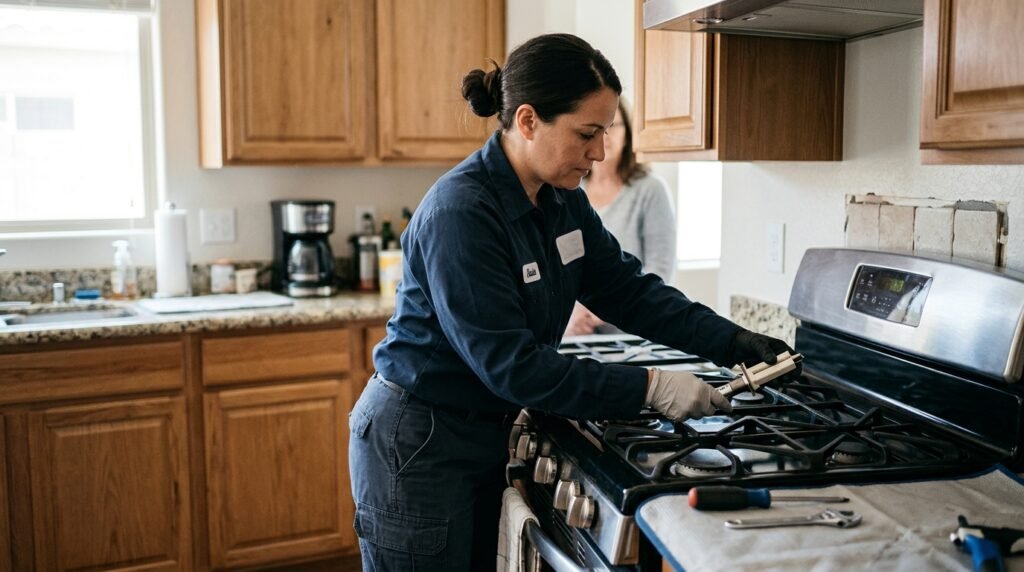
Ceramic Stove Repair: Complete Guide Ceramic stovetops have become a staple in modern kitchens across Tempe, Chandler, and surrounding areas, offering sleek aesthetics and efficient cooking. However, when these sophisticated appliances malfunction, homeowners often face unique repair challenges. Understanding ceramic stove repair basics can help you maintain your appliance’s performance and know when to call professionals like Ice Age Home Appliance Repair for expert assistance. For more comprehensive information, explore our guide to Appliance Repairs: Your Complete Guide. Understanding Ceramic Stovetop Technology Ceramic stovetops use radiant heating elements beneath a smooth glass-ceramic surface, typically made from glass-ceramic materials that can withstand extreme temperature fluctuations. This technology differs significantly from traditional coil burners, requiring specialized knowledge for proper diagnosis and repair. The glass-ceramic surface is designed to transfer heat efficiently from the electric elements below to your cookware above. When functioning correctly, these stoves provide precise temperature control and easy cleanup. However, this advanced technology means that repairs often require professional expertise to maintain safety and functionality. If you’re wondering about the best options, consider delving into Best Appliance Repair Services for Your Home. Most ceramic stovetops operate using halogen or radiant heating elements that glow red when activated. Understanding this basic mechanism helps homeowners identify when something isn’t working correctly, such as when elements fail to heat or heat unevenly across the cooking surface. Common Ceramic Stove Problems Several issues commonly affect ceramic stovetops, and recognizing these problems early can prevent more extensive damage. One frequent issue is surface scratches or cracks, which can occur from heavy cookware, improper cleaning, or thermal shock from spills on hot surfaces. Burner element failures represent another common problem. When a burner refuses to heat or only partially heats, the radiant element beneath the glass may have failed. These elements can burn out over time, especially with heavy use, and require replacement by qualified technicians. Temperature control issues often stem from faulty control boards or damaged wiring. If your stovetop heats too quickly, doesn’t reach proper temperatures, or fluctuates unexpectedly, these electronic components may need professional diagnosis and repair. Touch control panel malfunctions can render your entire stovetop unusable, even if the heating elements function properly. These sensitive controls can fail due to moisture damage, power surges, or simple wear over time. Cracked or scratched glass-ceramic surface Non-functional heating elements Inconsistent temperature control Unresponsive touch controls Error codes or warning lights Strange noises during operation DIY Troubleshooting Steps Before calling for professional repair services, homeowners can perform several basic troubleshooting steps. First, verify that your stovetop is receiving power by checking your circuit breaker panel. A tripped breaker or blown fuse could be the simple solution to what appears to be a major malfunction. Inspect the glass surface carefully for any visible damage. Small cracks can expand with heat cycling, so identifying damage early is crucial. If you discover cracks, discontinue use immediately and contact repair professionals to prevent safety hazards or further damage. Clean the control panel thoroughly with appropriate cleaners, ensuring no moisture or debris interferes with touch controls. Sometimes, buildup of cooking residue can affect sensor responsiveness, and a proper cleaning might restore functionality. For more helpful hints, check out our Appliance Troubleshooting Tips for Arizona Homes. Review your owner’s manual for error codes if your stovetop displays them. Modern ceramic stovetops often have diagnostic features that can pinpoint specific issues, providing valuable information for repair technicians when you schedule service. When to Call Professional Repair Services While some troubleshooting can be done independently, ceramic stovetop repair typically requires professional expertise. Any situation involving cracked glass, electrical issues, or internal component failures should be handled by certified technicians to ensure safety and proper repair. Electrical repairs pose significant safety risks and should never be attempted without proper training and tools. Ice Age Home Appliance Repair technicians have the expertise to safely diagnose and repair electrical issues, from faulty wiring to damaged control boards. Glass-ceramic surface replacement is particularly delicate, requiring specialized tools and knowledge. Improper installation can lead to thermal stress, uneven heating, or complete failure of the new surface. Professional installation ensures proper sealing, leveling, and electrical connections. Element replacement beneath the glass surface involves disconnecting power, removing the cooktop, accessing internal components, and properly installing new elements. This process requires technical knowledge to avoid damaging other components or creating safety hazards. For those seeking top-tier service, refer to Best Rated Appliance Repair Near Me: Your Complete Guide to Quality Service. Ice Age Home Appliance Repair offers same-day service throughout Mesa, Scottsdale, Phoenix, and surrounding communities, providing fast, certified repairs with transparent pricing to get your kitchen back in working order quickly. Preventive Maintenance for Ceramic Stovetops Regular maintenance extends the life of your ceramic stovetop and prevents many common repair issues. Clean spills immediately after the surface cools to prevent baked-on residue that can cause scratching during cleaning or interfere with heat transfer. Use only recommended cleaning products designed specifically for glass-ceramic surfaces. Abrasive cleaners, steel wool, or harsh chemicals can scratch or damage the surface, compromising both appearance and functionality. Specialized ceramic stovetop cleaners effectively remove residue while protecting the glass surface. Inspect cookware regularly to ensure smooth, flat bottoms without rough edges or burrs that could scratch the cooktop surface. Heavy cast iron skillets should be lifted rather than slid across the surface to prevent scratches and cracks. Avoid thermal shock by never placing cold or frozen items directly on hot burners. Similarly, don’t pour cold water on a hot surface, as rapid temperature changes can cause the glass-ceramic material to crack. Allow the surface to cool naturally between uses. Schedule periodic professional inspections to identify potential issues before they become major problems. Technicians can check electrical connections, test control systems, and assess overall condition during routine maintenance visits. Cost Considerations and Repair vs. Replacement Understanding repair costs helps homeowners make informed decisions about fixing versus replacing their ceramic stovetop. Simple repairs like element replacement typically cost significantly less than full surface replacement or purchasing a

Blog

Appliance Repair Contractor Jobs in 2026

Appliance Repair Contractor Jobs in 2026 The appliance repair industry is experiencing significant growth in 2026, creating abundant opportunities for skilled contractors and technicians. As households continue to rely on essential appliances like refrigerators, dishwashers, washing machines, and dryers, the demand for qualified repair professionals has never been higher. Whether you’re considering a career change or looking to expand your existing skill set, appliance repair contractor jobs offer stability, competitive income, and the satisfaction of helping homeowners solve critical household problems. Companies like Ice Age Home Appliance Repair are constantly seeking talented technicians who can deliver fast, certified, and affordable repair services to communities throughout the Phoenix metropolitan area, including Tempe, Chandler, Gilbert, Mesa, and Scottsdale. This comprehensive guide explores everything you need to know about pursuing a career in appliance repair contracting. Why Choose Appliance Repair as a Career Path Appliance repair offers unique advantages that make it an attractive career choice in today’s economy. Unlike many trades that require expensive four-year degrees, appliance repair technicians can enter the field with focused vocational training and certification programs that typically take months rather than years to complete. The job security in this field is exceptional. Homeowners will always need their essential appliances functioning properly, making this a recession-resistant profession. When economic downturns occur, people actually tend to repair appliances rather than replace them, increasing demand for skilled contractors. Additionally, the physical nature of the work provides natural activity throughout the day, contributing to overall health and fitness—similar to how the CDC recommends regular physical activity for maintaining wellness. Financial prospects are compelling as well. Experienced appliance repair contractors can earn substantial incomes, especially those who establish their own businesses or work on commission-based models. The ability to offer same-day service and specialized expertise in high-demand areas commands premium pricing, allowing motivated technicians to build profitable careers. Essential Skills and Qualifications Successful appliance repair contractors possess a combination of technical knowledge, problem-solving abilities, and customer service skills. Understanding electrical systems, mechanical components, and increasingly complex computerized controls is fundamental. Modern appliances incorporate sophisticated technology, requiring technicians to continuously update their knowledge and adapt to new systems. Formal certification through recognized programs demonstrates competence and builds customer trust. Many contractors pursue certifications from appliance manufacturers, which provide specialized training on specific brands and models. These certifications not only enhance technical skills but also enable contractors to perform warranty work, expanding business opportunities. Diagnostic skills are perhaps the most valuable asset for any appliance repair contractor. The ability to quickly identify problems, explain issues clearly to homeowners, and implement effective solutions separates exceptional technicians from average ones. This requires both systematic troubleshooting methods and intuitive understanding gained through experience. Physical fitness and manual dexterity are also important. The job involves lifting heavy appliances, working in confined spaces, and performing precise repairs. Contractors who maintain their physical conditioning through regular activity—consistent with principles outlined by the American College of Sports Medicine—tend to experience fewer injuries and longer, more productive careers. Daily Responsibilities and Work Environment Appliance repair contractors typically start their days reviewing service calls, planning routes, and ensuring they have necessary parts and tools. Most work involves traveling to customer homes, diagnosing appliance issues on-site, and performing repairs with minimal disruption to the household. Time management becomes crucial when offering same-day service, as contractors must balance efficiency with thoroughness. The work environment varies considerably. Contractors work indoors in customer homes, accessing appliances in kitchens, laundry rooms, and basements. Each job site presents unique challenges, from tight installation spaces to older homes with outdated electrical systems. Flexibility and creative problem-solving help contractors succeed in diverse situations. Customer interaction represents a significant portion of the job. Contractors must explain technical issues in accessible language, provide transparent pricing before beginning work, and ensure homeowners understand maintenance recommendations. Building trust and maintaining professional relationships leads to repeat business and referrals, which are essential for long-term success. Documentation and administrative tasks round out daily responsibilities. Contractors track parts inventory, complete service reports, process payments, and schedule follow-up appointments. Those working for established companies like Ice Age Home Appliance Repair benefit from organizational support systems, while independent contractors manage these aspects themselves. Building Your Contractor Business Many appliance repair technicians eventually transition from employee positions to independent contractor status or business ownership. This progression offers increased income potential and professional autonomy but requires entrepreneurial skills beyond technical expertise. Establishing a strong reputation is the foundation of any successful appliance repair business. Delivering quality workmanship, honoring commitments, and providing exceptional customer service creates the word-of-mouth marketing that drives growth. In competitive markets throughout the Valley, reputation often determines which contractors receive the most lucrative opportunities. Investment in tools, equipment, and vehicle setup is essential. Professional contractors need comprehensive tool collections, diagnostic equipment, and reliable transportation configured to carry parts and appliances safely. Many also invest in technology solutions for scheduling, invoicing, and customer communication that streamline operations and enhance professionalism. Marketing strategies have evolved significantly in 2026. While traditional methods like vehicle signage and local advertising remain relevant, digital presence has become critical. Contractors benefit from maintaining updated profiles on service platforms, gathering customer reviews, and utilizing social media to showcase expertise and availability. Continuing education ensures contractors remain competitive as appliance technology advances. Manufacturers regularly introduce new features and systems, requiring ongoing training to service effectively. Contractors who commit to lifelong learning position themselves as experts capable of handling the full range of modern appliances. Finding Employment Opportunities The appliance repair industry offers multiple pathways to employment. Established service companies provide entry points for technicians seeking stable positions with benefits, training opportunities, and existing customer bases. These positions allow contractors to develop skills while earning reliable income without the risks associated with independent business ownership. Many contractors prefer the flexibility of working for multiple companies or platforms simultaneously. This approach diversifies income streams and provides exposure to different business models and customer segments. Contractors might combine residential service work with commercial accounts, warranty repairs, and emergency calls to

Blog

Appliance Repair Contractor Jobs in 2026

Appliance Repair Contractor Jobs in 2026 The appliance repair industry is experiencing significant growth in 2026, creating abundant opportunities for skilled contractors and technicians. As households continue to rely on essential appliances like refrigerators, dishwashers, washing machines, and dryers, the demand for qualified repair professionals has never been higher. Whether you’re considering a career change or looking to expand your existing skill set, appliance repair contractor jobs offer stability, competitive income, and the satisfaction of helping homeowners solve critical household problems. Companies like Ice Age Home Appliance Repair are constantly seeking talented technicians who can deliver fast, certified, and affordable repair services to communities throughout the Phoenix metropolitan area, including Tempe, Chandler, Gilbert, Mesa, and Scottsdale. This comprehensive guide explores everything you need to know about pursuing a career in appliance repair contracting. Why Choose Appliance Repair as a Career Path Appliance repair offers unique advantages that make it an attractive career choice in today’s economy. Unlike many trades that require expensive four-year degrees, appliance repair technicians can enter the field with focused vocational training and certification programs that typically take months rather than years to complete. The job security in this field is exceptional. Homeowners will always need their essential appliances functioning properly, making this a recession-resistant profession. When economic downturns occur, people actually tend to repair appliances rather than replace them, increasing demand for skilled contractors. Additionally, the physical nature of the work provides natural activity throughout the day, contributing to overall health and fitness—similar to how the CDC recommends regular physical activity for maintaining wellness. Financial prospects are compelling as well. Experienced appliance repair contractors can earn substantial incomes, especially those who establish their own businesses or work on commission-based models. The ability to offer same-day service and specialized expertise in high-demand areas commands premium pricing, allowing motivated technicians to build profitable careers. Essential Skills and Qualifications Successful appliance repair contractors possess a combination of technical knowledge, problem-solving abilities, and customer service skills. Understanding electrical systems, mechanical components, and increasingly complex computerized controls is fundamental. Modern appliances incorporate sophisticated technology, requiring technicians to continuously update their knowledge and adapt to new systems. Formal certification through recognized programs demonstrates competence and builds customer trust. Many contractors pursue certifications from appliance manufacturers, which provide specialized training on specific brands and models. These certifications not only enhance technical skills but also enable contractors to perform warranty work, expanding business opportunities. Diagnostic skills are perhaps the most valuable asset for any appliance repair contractor. The ability to quickly identify problems, explain issues clearly to homeowners, and implement effective solutions separates exceptional technicians from average ones. This requires both systematic troubleshooting methods and intuitive understanding gained through experience. Physical fitness and manual dexterity are also important. The job involves lifting heavy appliances, working in confined spaces, and performing precise repairs. Contractors who maintain their physical conditioning through regular activity—consistent with principles outlined by the American College of Sports Medicine—tend to experience fewer injuries and longer, more productive careers. Daily Responsibilities and Work Environment Appliance repair contractors typically start their days reviewing service calls, planning routes, and ensuring they have necessary parts and tools. Most work involves traveling to customer homes, diagnosing appliance issues on-site, and performing repairs with minimal disruption to the household. Time management becomes crucial when offering same-day service, as contractors must balance efficiency with thoroughness. The work environment varies considerably. Contractors work indoors in customer homes, accessing appliances in kitchens, laundry rooms, and basements. Each job site presents unique challenges, from tight installation spaces to older homes with outdated electrical systems. Flexibility and creative problem-solving help contractors succeed in diverse situations. Customer interaction represents a significant portion of the job. Contractors must explain technical issues in accessible language, provide transparent pricing before beginning work, and ensure homeowners understand maintenance recommendations. Building trust and maintaining professional relationships leads to repeat business and referrals, which are essential for long-term success. Documentation and administrative tasks round out daily responsibilities. Contractors track parts inventory, complete service reports, process payments, and schedule follow-up appointments. Those working for established companies like Ice Age Home Appliance Repair benefit from organizational support systems, while independent contractors manage these aspects themselves. Building Your Contractor Business Many appliance repair technicians eventually transition from employee positions to independent contractor status or business ownership. This progression offers increased income potential and professional autonomy but requires entrepreneurial skills beyond technical expertise. Establishing a strong reputation is the foundation of any successful appliance repair business. Delivering quality workmanship, honoring commitments, and providing exceptional customer service creates the word-of-mouth marketing that drives growth. In competitive markets throughout the Valley, reputation often determines which contractors receive the most lucrative opportunities. Investment in tools, equipment, and vehicle setup is essential. Professional contractors need comprehensive tool collections, diagnostic equipment, and reliable transportation configured to carry parts and appliances safely. Many also invest in technology solutions for scheduling, invoicing, and customer communication that streamline operations and enhance professionalism. Marketing strategies have evolved significantly in 2026. While traditional methods like vehicle signage and local advertising remain relevant, digital presence has become critical. Contractors benefit from maintaining updated profiles on service platforms, gathering customer reviews, and utilizing social media to showcase expertise and availability. Continuing education ensures contractors remain competitive as appliance technology advances. Manufacturers regularly introduce new features and systems, requiring ongoing training to service effectively. Contractors who commit to lifelong learning position themselves as experts capable of handling the full range of modern appliances. Finding Employment Opportunities The appliance repair industry offers multiple pathways to employment. Established service companies provide entry points for technicians seeking stable positions with benefits, training opportunities, and existing customer bases. These positions allow contractors to develop skills while earning reliable income without the risks associated with independent business ownership. Many contractors prefer the flexibility of working for multiple companies or platforms simultaneously. This approach diversifies income streams and provides exposure to different business models and customer segments. Contractors might combine residential service work with commercial accounts, warranty repairs, and emergency calls to

Blog

Best Appliance Repair Services for Your Home

Best Appliance Repair Services for Your Home When a major home appliance breaks down unexpectedly, it can disrupt your entire household routine. Whether it’s a refrigerator that’s stopped cooling, a dishwasher that won’t drain, or a dryer that refuses to heat, finding reliable and professional appliance repair services becomes an immediate priority. Understanding what makes a repair service truly exceptional can help you make informed decisions and get your home running smoothly again. Ice Age Home Appliance Repair has been serving the greater Phoenix metropolitan area with certified technicians who understand the urgency of appliance failures. With same-day service availability throughout Tempe, Chandler, Gilbert, Mesa, Scottsdale, and Phoenix, homeowners can count on fast response times and transparent pricing that eliminates surprise charges. Signs You Need Professional Appliance Repair Recognizing when to call for professional help can prevent minor issues from becoming major problems. Many homeowners wait too long, hoping a problem will resolve itself, only to face more expensive repairs or complete appliance replacement later. Refrigerators showing inconsistent temperatures, unusual noises, or excessive condensation require immediate attention. These symptoms often indicate compressor issues, refrigerant leaks, or failing seals that can compromise food safety. Similarly, if your dishwasher leaves dishes dirty, leaks water onto your floor, or fails to complete cycles, professional diagnosis can identify whether the issue stems from spray arms, pumps, or control boards. Washing machines that vibrate excessively, fail to drain, or leave clothes soaking wet point to problems with drum bearings, pumps, or drive belts. Dryers taking multiple cycles to dry clothes or producing burning smells pose fire hazards and demand immediate professional inspection. Stoves and ovens with uneven heating, broken burners, or faulty ignition systems make cooking difficult and potentially dangerous. Strange sounds like grinding, squealing, or banging from any appliance shouldn’t be ignored. These noises typically indicate mechanical problems that worsen over time. Water pooling around appliances, unusual odors, error codes on digital displays, or appliances that won’t turn on at all all warrant professional evaluation. What Makes an Appliance Repair Service the Best The best appliance repair services distinguish themselves through several critical factors. Certification and expertise top the list—technicians should be trained and certified to work on major brands and appliance types. This specialized knowledge ensures accurate diagnosis and proper repairs that last. Response time matters significantly when you’re dealing with a broken refrigerator full of groceries or a washer full of wet clothes. Services offering same-day appointments demonstrate respect for your time and understand the urgency appliance failures create. Availability during evenings and weekends provides additional convenience for busy homeowners. Transparent pricing protects consumers from unpleasant surprises. The best services provide clear estimates before beginning work, explain what repairs are necessary and why, and never pad bills with unnecessary services. Upfront diagnostic fees that apply toward repair costs show confidence in their work. Warranty coverage on both parts and labor indicates a service stands behind their work. Reputable companies typically offer at least 90 days coverage on repairs, with some extending to a full year. This guarantee provides peace of mind that if something goes wrong, you won’t pay twice. Customer service quality reflects overall business values. Professional services arrive on time, communicate clearly, respect your home by using protective coverings and cleaning up after work, and treat customers with courtesy. Online reviews and testimonials provide insights into real customer experiences. Common Appliance Problems and Solutions Understanding common appliance issues helps homeowners communicate effectively with repair technicians and make informed decisions about repairs versus replacement. Refrigerator problems often involve temperature regulation. A refrigerator that’s too warm may have a faulty thermostat, blocked air vents, or a failing compressor. Ice buildup in freezers typically indicates defrost system failures. Door seal problems cause energy waste and temperature inconsistencies but are relatively inexpensive to fix. Dishwasher issues frequently relate to water problems. Poor drainage usually points to clogged filters, blocked hoses, or failing drain pumps. Dishes remaining dirty suggest spray arm blockages, broken wash arms, or detergent dispenser malfunctions. Leaking dishwashers may have damaged door gaskets or loose hose connections. Washing machines repairs commonly address drainage, spinning, or agitation problems. Clothes remaining wet indicate drain pump issues or clogged drain hoses. Machines that won’t spin properly may have worn drive belts, faulty lid switches, or motor problems. Excessive vibration often stems from unbalanced loads, but can also indicate worn shock absorbers or drum bearings. Dryer problems typically involve heating or venting. Clothes taking too long to dry usually result from clogged lint screens or exhaust vents—a condition that also creates fire hazards. Complete heating failure may indicate blown thermal fuses, broken heating elements, or faulty thermostats. Drum not turning points to broken drive belts or motor issues. Stove and oven repairs address heating elements, ignition systems, or control boards. Gas stoves with ignition problems may need new igniters or gas valve cleaning. Electric stoves with non-functioning burners typically require element replacement. Ovens not reaching proper temperatures often have faulty thermostats or failing heating elements. The Repair vs. Replace Decision Determining whether to repair or replace an appliance requires considering several factors. As a general rule, if repair costs exceed 50% of replacement cost and the appliance is more than halfway through its expected lifespan, replacement often makes more financial sense. Appliance age significantly impacts this decision. Refrigerators typically last 13-17 years, dishwashers 9-13 years, washing machines 10-14 years, dryers 10-13 years, and ranges 13-15 years. Appliances near the end of their expected lifespan may experience cascading failures where fixing one problem leads to others appearing shortly after. Energy efficiency considerations also matter. Older appliances consume significantly more electricity than modern Energy Star certified models. The energy savings from new appliances can offset their purchase price over time. This is particularly true for refrigerators, which run continuously, and dryers, which use substantial energy. Repair history plays a role as well. Appliances requiring frequent repairs become money pits. If you’ve repaired the same appliance multiple times in recent years, replacement may provide better long-term value and

Blog

Best Appliance Repair Services for Your Home

Best Appliance Repair Services for Your Home When a major home appliance breaks down unexpectedly, it can disrupt your entire household routine. Whether it’s a refrigerator that’s stopped cooling, a dishwasher that won’t drain, or a dryer that refuses to heat, finding reliable and professional appliance repair services becomes an immediate priority. Understanding what makes a repair service truly exceptional can help you make informed decisions and get your home running smoothly again. Ice Age Home Appliance Repair has been serving the greater Phoenix metropolitan area with certified technicians who understand the urgency of appliance failures. With same-day service availability throughout Tempe, Chandler, Gilbert, Mesa, Scottsdale, and Phoenix, homeowners can count on fast response times and transparent pricing that eliminates surprise charges. Signs You Need Professional Appliance Repair Recognizing when to call for professional help can prevent minor issues from becoming major problems. Many homeowners wait too long, hoping a problem will resolve itself, only to face more expensive repairs or complete appliance replacement later. Refrigerators showing inconsistent temperatures, unusual noises, or excessive condensation require immediate attention. These symptoms often indicate compressor issues, refrigerant leaks, or failing seals that can compromise food safety. Similarly, if your dishwasher leaves dishes dirty, leaks water onto your floor, or fails to complete cycles, professional diagnosis can identify whether the issue stems from spray arms, pumps, or control boards. Washing machines that vibrate excessively, fail to drain, or leave clothes soaking wet point to problems with drum bearings, pumps, or drive belts. Dryers taking multiple cycles to dry clothes or producing burning smells pose fire hazards and demand immediate professional inspection. Stoves and ovens with uneven heating, broken burners, or faulty ignition systems make cooking difficult and potentially dangerous. Strange sounds like grinding, squealing, or banging from any appliance shouldn’t be ignored. These noises typically indicate mechanical problems that worsen over time. Water pooling around appliances, unusual odors, error codes on digital displays, or appliances that won’t turn on at all all warrant professional evaluation. What Makes an Appliance Repair Service the Best The best appliance repair services distinguish themselves through several critical factors. Certification and expertise top the list—technicians should be trained and certified to work on major brands and appliance types. This specialized knowledge ensures accurate diagnosis and proper repairs that last. Response time matters significantly when you’re dealing with a broken refrigerator full of groceries or a washer full of wet clothes. Services offering same-day appointments demonstrate respect for your time and understand the urgency appliance failures create. Availability during evenings and weekends provides additional convenience for busy homeowners. Transparent pricing protects consumers from unpleasant surprises. The best services provide clear estimates before beginning work, explain what repairs are necessary and why, and never pad bills with unnecessary services. Upfront diagnostic fees that apply toward repair costs show confidence in their work. Warranty coverage on both parts and labor indicates a service stands behind their work. Reputable companies typically offer at least 90 days coverage on repairs, with some extending to a full year. This guarantee provides peace of mind that if something goes wrong, you won’t pay twice. Customer service quality reflects overall business values. Professional services arrive on time, communicate clearly, respect your home by using protective coverings and cleaning up after work, and treat customers with courtesy. Online reviews and testimonials provide insights into real customer experiences. Common Appliance Problems and Solutions Understanding common appliance issues helps homeowners communicate effectively with repair technicians and make informed decisions about repairs versus replacement. Refrigerator problems often involve temperature regulation. A refrigerator that’s too warm may have a faulty thermostat, blocked air vents, or a failing compressor. Ice buildup in freezers typically indicates defrost system failures. Door seal problems cause energy waste and temperature inconsistencies but are relatively inexpensive to fix. Dishwasher issues frequently relate to water problems. Poor drainage usually points to clogged filters, blocked hoses, or failing drain pumps. Dishes remaining dirty suggest spray arm blockages, broken wash arms, or detergent dispenser malfunctions. Leaking dishwashers may have damaged door gaskets or loose hose connections. Washing machines repairs commonly address drainage, spinning, or agitation problems. Clothes remaining wet indicate drain pump issues or clogged drain hoses. Machines that won’t spin properly may have worn drive belts, faulty lid switches, or motor problems. Excessive vibration often stems from unbalanced loads, but can also indicate worn shock absorbers or drum bearings. Dryer problems typically involve heating or venting. Clothes taking too long to dry usually result from clogged lint screens or exhaust vents—a condition that also creates fire hazards. Complete heating failure may indicate blown thermal fuses, broken heating elements, or faulty thermostats. Drum not turning points to broken drive belts or motor issues. Stove and oven repairs address heating elements, ignition systems, or control boards. Gas stoves with ignition problems may need new igniters or gas valve cleaning. Electric stoves with non-functioning burners typically require element replacement. Ovens not reaching proper temperatures often have faulty thermostats or failing heating elements. The Repair vs. Replace Decision Determining whether to repair or replace an appliance requires considering several factors. As a general rule, if repair costs exceed 50% of replacement cost and the appliance is more than halfway through its expected lifespan, replacement often makes more financial sense. Appliance age significantly impacts this decision. Refrigerators typically last 13-17 years, dishwashers 9-13 years, washing machines 10-14 years, dryers 10-13 years, and ranges 13-15 years. Appliances near the end of their expected lifespan may experience cascading failures where fixing one problem leads to others appearing shortly after. Energy efficiency considerations also matter. Older appliances consume significantly more electricity than modern Energy Star certified models. The energy savings from new appliances can offset their purchase price over time. This is particularly true for refrigerators, which run continuously, and dryers, which use substantial energy. Repair history plays a role as well. Appliances requiring frequent repairs become money pits. If you’ve repaired the same appliance multiple times in recent years, replacement may provide better long-term value and

Blog

Appliance Troubleshooting Tips for Arizona Homes

Appliance Troubleshooting Tips for Arizona Homes Living in Arizona means dealing with extreme temperatures that can take a toll on your home appliances. From scorching summers that push your refrigerator to its limits to hard water that clogs your dishwasher, understanding how to troubleshoot common appliance issues can save you time and money. This comprehensive guide covers essential troubleshooting tips specifically tailored for Arizona homeowners, helping you identify when you can fix a problem yourself and when it’s time to call in professional help. Understanding Arizona’s Unique Appliance Challenges The desert climate presents specific challenges for household appliances. Summer temperatures regularly exceed 110°F, placing extraordinary stress on cooling systems and motors. The intense heat can cause rubber seals to dry out faster, electrical components to overheat, and plastic parts to become brittle. Additionally, Arizona’s hard water contains high mineral content that leads to buildup in washing machines, dishwashers, and water lines. Dust and sand are constant companions in the Valley. These particles infiltrate appliances through vents and openings, clogging filters and coating internal components. Regular maintenance becomes even more critical in this environment, as neglect can quickly turn minor issues into major repairs. Refrigerator Troubleshooting in Extreme Heat Your refrigerator works harder in Arizona than almost anywhere else. If you notice it’s not cooling properly, start by checking the condenser coils. These coils, typically located at the back or bottom of the unit, dissipate heat. In dusty conditions, they accumulate debris quickly, forcing your refrigerator to work overtime. Clean the coils every three months using a vacuum with a brush attachment. Unplug the refrigerator first, then gently remove dust and debris. This simple maintenance task can improve efficiency by up to 25% and extend your appliance’s lifespan. Check the door seals by closing the door on a dollar bill. If you can pull it out easily, the seal needs replacing. Damaged seals allow cool air to escape, making your refrigerator run continuously and driving up energy costs. If your refrigerator is still struggling, ensure adequate ventilation around the unit. The ambient temperature in your garage or kitchen affects performance. Keep the refrigerator at least two inches from the wall and away from direct sunlight or heat sources like ovens. Dishwasher Problems and Hard Water Solutions Hard water is particularly problematic for dishwashers throughout the Phoenix metro area. If you notice white film on dishes or reduced cleaning performance, mineral buildup is likely the culprit. Run an empty cycle with two cups of white vinegar placed in a dishwasher-safe container on the top rack to dissolve deposits. For persistent issues, inspect the spray arms for clogged holes. Remove them according to your manual and use a toothpick to clear any blocked openings. Check the filter at the bottom of the dishwasher monthly and clean it thoroughly. A clogged filter prevents proper drainage and reduces cleaning effectiveness. If dishes aren’t drying properly, verify that your rinse aid dispenser is filled. Arizona’s low humidity actually helps with drying, so if problems persist, the heating element may need professional attention. Also ensure you’re using the appropriate detergent amount—too much soap creates excess suds that interfere with cleaning. Washing Machine and Dryer Maintenance Washing machines face unique challenges with hard water and sediment. If your washer won’t drain, first check the drain hose for kinks or clogs. Remove the hose and flush it with water. Inspect the pump filter, usually accessed through a small door at the front bottom of front-loading machines. Clean out coins, lint, and debris that accumulate there. For top-loaders that won’t agitate, the issue might be as simple as an unbalanced load. Redistribute clothes evenly and ensure the machine is level. If you hear grinding noises, small items like coins or buttons may have fallen into the drum. Stop use immediately and investigate to prevent damage. Dryers should be maintained vigilantly in dusty environments. Clean the lint filter after every load without exception. Twice yearly, disconnect the dryer and clean the entire vent duct system. Restricted airflow causes longer drying times, increases energy costs, and creates a serious fire hazard. Use a vent brush or vacuum attachment to remove buildup. If clothes take multiple cycles to dry, check that the outside vent flap opens freely when the dryer runs. Birds occasionally nest in these vents, and dust can cause the flap to stick closed. Oven and Stove Troubleshooting Tips Gas and electric ranges each have specific issues. For gas stoves, if burners won’t light, check that the burner caps are properly seated and the igniter ports are clean. Food debris and grease frequently clog these small openings. Use a toothbrush and soapy water to clean burner components, ensuring everything is completely dry before reassembling. Electric stoves with burners that don’t heat evenly may have a faulty element. These typically plug into receptacles and can be tested by swapping with a working burner. If the problem follows the element, replacement is straightforward and inexpensive. For ovens that won’t reach temperature, verify the settings first—it sounds simple, but incorrect mode selection is common. Use an oven thermometer to check actual temperature against the setting. A difference of more than 25°F indicates calibration issues or a failing heating element. For more in-depth solutions, consult our Oven Not Heating up Properly: Complete Troubleshooting Guide. Self-cleaning cycles should be used cautiously in extreme heat. The high temperatures required can stress components when your home is already hot. Consider running self-clean cycles during cooler evening hours or milder weather. When to Call Professional Help While many issues can be resolved with basic troubleshooting, some problems require professional expertise. Call a certified technician if you encounter electrical issues, gas leaks, or unusual noises that persist after basic maintenance. According to the CDC guidelines on safety, maintaining a safe home environment includes ensuring appliances function properly without hazards. Water leaks should be addressed immediately to prevent damage and mold growth. If refrigerant lines are involved, only certified technicians should handle repairs due to environmental regulations and safety concerns.

Blog

Appliance Troubleshooting Tips for Arizona Homes

Appliance Troubleshooting Tips for Arizona Homes Living in Arizona means dealing with extreme temperatures that can take a toll on your home appliances. From scorching summers that push your refrigerator to its limits to hard water that clogs your dishwasher, understanding how to troubleshoot common appliance issues can save you time and money. This comprehensive guide covers essential troubleshooting tips specifically tailored for Arizona homeowners, helping you identify when you can fix a problem yourself and when it’s time to call in professional help. Understanding Arizona’s Unique Appliance Challenges The desert climate presents specific challenges for household appliances. Summer temperatures regularly exceed 110°F, placing extraordinary stress on cooling systems and motors. The intense heat can cause rubber seals to dry out faster, electrical components to overheat, and plastic parts to become brittle. Additionally, Arizona’s hard water contains high mineral content that leads to buildup in washing machines, dishwashers, and water lines. Dust and sand are constant companions in the Valley. These particles infiltrate appliances through vents and openings, clogging filters and coating internal components. Regular maintenance becomes even more critical in this environment, as neglect can quickly turn minor issues into major repairs. Refrigerator Troubleshooting in Extreme Heat Your refrigerator works harder in Arizona than almost anywhere else. If you notice it’s not cooling properly, start by checking the condenser coils. These coils, typically located at the back or bottom of the unit, dissipate heat. In dusty conditions, they accumulate debris quickly, forcing your refrigerator to work overtime. Clean the coils every three months using a vacuum with a brush attachment. Unplug the refrigerator first, then gently remove dust and debris. This simple maintenance task can improve efficiency by up to 25% and extend your appliance’s lifespan. Check the door seals by closing the door on a dollar bill. If you can pull it out easily, the seal needs replacing. Damaged seals allow cool air to escape, making your refrigerator run continuously and driving up energy costs. If your refrigerator is still struggling, ensure adequate ventilation around the unit. The ambient temperature in your garage or kitchen affects performance. Keep the refrigerator at least two inches from the wall and away from direct sunlight or heat sources like ovens. Dishwasher Problems and Hard Water Solutions Hard water is particularly problematic for dishwashers throughout the Phoenix metro area. If you notice white film on dishes or reduced cleaning performance, mineral buildup is likely the culprit. Run an empty cycle with two cups of white vinegar placed in a dishwasher-safe container on the top rack to dissolve deposits. For persistent issues, inspect the spray arms for clogged holes. Remove them according to your manual and use a toothpick to clear any blocked openings. Check the filter at the bottom of the dishwasher monthly and clean it thoroughly. A clogged filter prevents proper drainage and reduces cleaning effectiveness. If dishes aren’t drying properly, verify that your rinse aid dispenser is filled. Arizona’s low humidity actually helps with drying, so if problems persist, the heating element may need professional attention. Also ensure you’re using the appropriate detergent amount—too much soap creates excess suds that interfere with cleaning. Washing Machine and Dryer Maintenance Washing machines face unique challenges with hard water and sediment. If your washer won’t drain, first check the drain hose for kinks or clogs. Remove the hose and flush it with water. Inspect the pump filter, usually accessed through a small door at the front bottom of front-loading machines. Clean out coins, lint, and debris that accumulate there. For top-loaders that won’t agitate, the issue might be as simple as an unbalanced load. Redistribute clothes evenly and ensure the machine is level. If you hear grinding noises, small items like coins or buttons may have fallen into the drum. Stop use immediately and investigate to prevent damage. Dryers should be maintained vigilantly in dusty environments. Clean the lint filter after every load without exception. Twice yearly, disconnect the dryer and clean the entire vent duct system. Restricted airflow causes longer drying times, increases energy costs, and creates a serious fire hazard. Use a vent brush or vacuum attachment to remove buildup. If clothes take multiple cycles to dry, check that the outside vent flap opens freely when the dryer runs. Birds occasionally nest in these vents, and dust can cause the flap to stick closed. Oven and Stove Troubleshooting Tips Gas and electric ranges each have specific issues. For gas stoves, if burners won’t light, check that the burner caps are properly seated and the igniter ports are clean. Food debris and grease frequently clog these small openings. Use a toothbrush and soapy water to clean burner components, ensuring everything is completely dry before reassembling. Electric stoves with burners that don’t heat evenly may have a faulty element. These typically plug into receptacles and can be tested by swapping with a working burner. If the problem follows the element, replacement is straightforward and inexpensive. For ovens that won’t reach temperature, verify the settings first—it sounds simple, but incorrect mode selection is common. Use an oven thermometer to check actual temperature against the setting. A difference of more than 25°F indicates calibration issues or a failing heating element. For more in-depth solutions, consult our Oven Not Heating up Properly: Complete Troubleshooting Guide. Self-cleaning cycles should be used cautiously in extreme heat. The high temperatures required can stress components when your home is already hot. Consider running self-clean cycles during cooler evening hours or milder weather. When to Call Professional Help While many issues can be resolved with basic troubleshooting, some problems require professional expertise. Call a certified technician if you encounter electrical issues, gas leaks, or unusual noises that persist after basic maintenance. According to the CDC guidelines on safety, maintaining a safe home environment includes ensuring appliances function properly without hazards. Water leaks should be addressed immediately to prevent damage and mold growth. If refrigerant lines are involved, only certified technicians should handle repairs due to environmental regulations and safety concerns.

Blog

Expert Appliances & Repair for Your Home

Expert Appliances & Repair for Your Home Home appliances are the unsung heroes of daily life, quietly working behind the scenes to keep households running smoothly. From the refrigerator preserving fresh food to the washer handling endless loads of laundry, these machines have become essential to modern living. When they break down, the disruption can be immediate and stressful. Understanding how appliances work, recognizing common problems, and knowing when to seek professional appliance repair services can save homeowners time, money, and unnecessary frustration. Ice Age Home Appliance Repair specializes in restoring functionality to all major household appliances across the Phoenix metro area. With certified technicians, transparent pricing, and same-day service availability, getting your home back to normal has never been easier. Whether you’re dealing with a leaking dishwasher, a refrigerator that won’t cool, or a dryer that refuses to heat, professional repair services ensure that your appliances receive the expert attention they deserve. Common Appliance Problems and Warning Signs Recognizing the early warning signs of appliance failure can prevent minor issues from escalating into major breakdowns. Refrigerators that run constantly, make unusual noises, or fail to maintain proper temperatures often signal compressor problems or refrigerant leaks. Dishwashers that leave dishes dirty, fail to drain completely, or leak water onto the floor typically indicate clogged filters, faulty pumps, or damaged door seals. Washing machines that vibrate excessively, fail to spin, or leave clothes soaking wet may have unbalanced loads, worn belts, or drainage issues. Dryers that take multiple cycles to dry clothes, produce burning smells, or fail to heat properly could have clogged vents, broken heating elements, or faulty thermostats. Stoves and ovens that heat unevenly, fail to ignite, or display error codes require immediate attention to ensure both functionality and safety. Ignoring these warning signs often leads to more expensive repairs or complete appliance replacement. Water damage from a leaking dishwasher can ruin flooring and cabinetry. A malfunctioning dryer vent poses a serious fire hazard. A failing refrigerator can spoil hundreds of dollars worth of food in a matter of hours. Addressing problems promptly protects your investment and maintains household safety. The Value of Professional Repair Services While DIY repairs might seem appealing for simple fixes, modern appliances contain complex electronic components, specialized parts, and sophisticated diagnostics systems that require professional expertise. Certified technicians possess the training, tools, and experience necessary to accurately diagnose problems and implement lasting solutions. They understand manufacturer specifications, safety protocols, and proper repair techniques that prevent further damage. Professional repair services offer several advantages over amateur attempts. Technicians carry diagnostic equipment that quickly identifies root causes rather than merely addressing symptoms. They have access to genuine replacement parts designed specifically for your appliance model, ensuring compatibility and longevity. Warranty protection often requires professional installation and service, meaning DIY repairs could void existing coverage. Same-day service availability minimizes disruption to daily routines. When a refrigerator fails on a hot summer day in the Valley, waiting days for repair isn’t an option. Ice Age Home Appliance Repair understands the urgency of appliance failures and provides rapid response times to restore normalcy quickly. Transparent pricing eliminates surprise costs, allowing homeowners to make informed decisions about repairs versus replacement. Maintenance Tips to Extend Appliance Lifespan Preventive maintenance significantly extends appliance lifespan and reduces the frequency of costly repairs. Refrigerators benefit from regular coil cleaning, which improves efficiency and prevents compressor strain. Checking door seals for cracks or gaps ensures proper temperature maintenance and reduces energy consumption. Keeping the interior clean and organized promotes proper air circulation and prevents odor buildup. Dishwashers require monthly filter cleaning to prevent clogs and maintain wash quality. Running vinegar through an empty cycle removes mineral deposits and soap residue. Inspecting spray arms for blockages ensures even water distribution. Checking hoses and connections for leaks prevents water damage and maintains optimal performance. Washing machines need regular cleaning to prevent mold, mildew, and detergent buildup. Using the appropriate amount of detergent prevents residue accumulation that can damage components. Checking hoses annually for cracks or bulges prevents catastrophic leaks. Leveling the machine reduces vibration and extends bearing life. Dryers must have lint traps cleaned after every load and exhaust vents inspected annually. Lint accumulation is a leading cause of household fires and significantly reduces drying efficiency. Professional vent cleaning removes hidden buildup that homeowners cannot reach. Inspecting drum seals and replacing worn components prevents heat loss and improves performance. Stoves and ovens benefit from regular cleaning to prevent grease buildup and ensure even heating. Checking burner connections and igniters maintains reliable operation. Calibrating oven temperatures annually ensures accurate cooking results. Replacing damaged knobs and controls prevents gas leaks and electrical hazards. When to Repair Versus Replace Determining whether to repair or replace a failing appliance requires careful consideration of several factors. Age plays a crucial role in this decision. Most appliances have expected lifespans: refrigerators last 10-15 years, dishwashers 9-12 years, washers and dryers 10-13 years, and ranges 13-15 years. Appliances approaching or exceeding these ranges may warrant replacement rather than expensive repairs. The fifty-percent rule provides a useful guideline: if repair costs exceed half the price of a new appliance, replacement often makes better financial sense. However, this calculation should include the age of the appliance. A five-year-old refrigerator needing a $400 repair is worth fixing, while a fifteen-year-old model with the same problem might be better replaced. Energy efficiency considerations also factor into replacement decisions. Older appliances consume significantly more electricity and water than modern Energy Star certified models. The long-term savings from reduced utility bills can offset replacement costs within a few years. Additionally, newer models offer improved features, better performance, and enhanced reliability. Frequency of repairs indicates whether an appliance has reached the end of its useful life. If you’re calling for service multiple times per year, the cumulative costs and inconvenience often justify replacement. Certified technicians can provide honest assessments about whether continued repairs make economic sense or if investing in a new appliance would better serve your needs. Choosing the

Blog

Expert Appliances & Repair for Your Home

Expert Appliances & Repair for Your Home Home appliances are the unsung heroes of daily life, quietly working behind the scenes to keep households running smoothly. From the refrigerator preserving fresh food to the washer handling endless loads of laundry, these machines have become essential to modern living. When they break down, the disruption can be immediate and stressful. Understanding how appliances work, recognizing common problems, and knowing when to seek professional appliance repair services can save homeowners time, money, and unnecessary frustration. Ice Age Home Appliance Repair specializes in restoring functionality to all major household appliances across the Phoenix metro area. With certified technicians, transparent pricing, and same-day service availability, getting your home back to normal has never been easier. Whether you’re dealing with a leaking dishwasher, a refrigerator that won’t cool, or a dryer that refuses to heat, professional repair services ensure that your appliances receive the expert attention they deserve. Common Appliance Problems and Warning Signs Recognizing the early warning signs of appliance failure can prevent minor issues from escalating into major breakdowns. Refrigerators that run constantly, make unusual noises, or fail to maintain proper temperatures often signal compressor problems or refrigerant leaks. Dishwashers that leave dishes dirty, fail to drain completely, or leak water onto the floor typically indicate clogged filters, faulty pumps, or damaged door seals. Washing machines that vibrate excessively, fail to spin, or leave clothes soaking wet may have unbalanced loads, worn belts, or drainage issues. Dryers that take multiple cycles to dry clothes, produce burning smells, or fail to heat properly could have clogged vents, broken heating elements, or faulty thermostats. Stoves and ovens that heat unevenly, fail to ignite, or display error codes require immediate attention to ensure both functionality and safety. Ignoring these warning signs often leads to more expensive repairs or complete appliance replacement. Water damage from a leaking dishwasher can ruin flooring and cabinetry. A malfunctioning dryer vent poses a serious fire hazard. A failing refrigerator can spoil hundreds of dollars worth of food in a matter of hours. Addressing problems promptly protects your investment and maintains household safety. The Value of Professional Repair Services While DIY repairs might seem appealing for simple fixes, modern appliances contain complex electronic components, specialized parts, and sophisticated diagnostics systems that require professional expertise. Certified technicians possess the training, tools, and experience necessary to accurately diagnose problems and implement lasting solutions. They understand manufacturer specifications, safety protocols, and proper repair techniques that prevent further damage. Professional repair services offer several advantages over amateur attempts. Technicians carry diagnostic equipment that quickly identifies root causes rather than merely addressing symptoms. They have access to genuine replacement parts designed specifically for your appliance model, ensuring compatibility and longevity. Warranty protection often requires professional installation and service, meaning DIY repairs could void existing coverage. Same-day service availability minimizes disruption to daily routines. When a refrigerator fails on a hot summer day in the Valley, waiting days for repair isn’t an option. Ice Age Home Appliance Repair understands the urgency of appliance failures and provides rapid response times to restore normalcy quickly. Transparent pricing eliminates surprise costs, allowing homeowners to make informed decisions about repairs versus replacement. Maintenance Tips to Extend Appliance Lifespan Preventive maintenance significantly extends appliance lifespan and reduces the frequency of costly repairs. Refrigerators benefit from regular coil cleaning, which improves efficiency and prevents compressor strain. Checking door seals for cracks or gaps ensures proper temperature maintenance and reduces energy consumption. Keeping the interior clean and organized promotes proper air circulation and prevents odor buildup. Dishwashers require monthly filter cleaning to prevent clogs and maintain wash quality. Running vinegar through an empty cycle removes mineral deposits and soap residue. Inspecting spray arms for blockages ensures even water distribution. Checking hoses and connections for leaks prevents water damage and maintains optimal performance. Washing machines need regular cleaning to prevent mold, mildew, and detergent buildup. Using the appropriate amount of detergent prevents residue accumulation that can damage components. Checking hoses annually for cracks or bulges prevents catastrophic leaks. Leveling the machine reduces vibration and extends bearing life. Dryers must have lint traps cleaned after every load and exhaust vents inspected annually. Lint accumulation is a leading cause of household fires and significantly reduces drying efficiency. Professional vent cleaning removes hidden buildup that homeowners cannot reach. Inspecting drum seals and replacing worn components prevents heat loss and improves performance. Stoves and ovens benefit from regular cleaning to prevent grease buildup and ensure even heating. Checking burner connections and igniters maintains reliable operation. Calibrating oven temperatures annually ensures accurate cooking results. Replacing damaged knobs and controls prevents gas leaks and electrical hazards. When to Repair Versus Replace Determining whether to repair or replace a failing appliance requires careful consideration of several factors. Age plays a crucial role in this decision. Most appliances have expected lifespans: refrigerators last 10-15 years, dishwashers 9-12 years, washers and dryers 10-13 years, and ranges 13-15 years. Appliances approaching or exceeding these ranges may warrant replacement rather than expensive repairs. The fifty-percent rule provides a useful guideline: if repair costs exceed half the price of a new appliance, replacement often makes better financial sense. However, this calculation should include the age of the appliance. A five-year-old refrigerator needing a $400 repair is worth fixing, while a fifteen-year-old model with the same problem might be better replaced. Energy efficiency considerations also factor into replacement decisions. Older appliances consume significantly more electricity and water than modern Energy Star certified models. The long-term savings from reduced utility bills can offset replacement costs within a few years. Additionally, newer models offer improved features, better performance, and enhanced reliability. Frequency of repairs indicates whether an appliance has reached the end of its useful life. If you’re calling for service multiple times per year, the cumulative costs and inconvenience often justify replacement. Certified technicians can provide honest assessments about whether continued repairs make economic sense or if investing in a new appliance would better serve your needs. Choosing the

Blog

Appliance Repairs: Your Complete Guide

Appliance Repairs: Your Complete Guide Home appliances are the unsung heroes of modern living, working tirelessly to keep your household running smoothly. But when a refrigerator stops cooling, a dishwasher begins leaking, or a dryer refuses to heat, the disruption can feel overwhelming. Understanding the fundamentals of appliance repairs—from recognizing warning signs to choosing the right service provider—empowers homeowners to act quickly, save money, and extend the lifespan of their valuable investments. Common Appliance Problems and Warning Signs Recognizing early warning signs can prevent minor issues from becoming major repair bills. Refrigerators that struggle to maintain consistent temperatures, produce unusual noises, or develop frost buildup may indicate compressor problems, thermostat failures, or refrigerant leaks. These symptoms shouldn’t be ignored, as they often worsen rapidly and can lead to food spoilage. Dishwashers commonly experience drainage issues, which manifest as standing water at the bottom after cycles complete. This typically points to clogged filters, blocked drain hoses, or faulty drain pumps. Additionally, if dishes emerge dirty or spotty despite proper loading and detergent use, spray arm blockages or water inlet valve problems may be the culprits. Washing machines and dryers present their own unique challenges. Washers that vibrate excessively, fail to spin properly, or leave clothes soaking wet often have drum bearing issues, worn drive belts, or unbalanced loads. For specific issues, such as those with an LG model, you might need an LG washing machine repair expert. Dryers that take multiple cycles to dry clothing or produce burning smells require immediate attention, as lint buildup in vents poses serious fire hazards. Stoves and ovens that heat inconsistently, fail to reach proper temperatures, or display error codes signal problems with heating elements, igniters, or control boards. Gas appliances with yellow flames instead of blue indicate combustion problems that demand professional evaluation for safety reasons. DIY Maintenance vs. Professional Repairs While some maintenance tasks remain well within homeowner capabilities, understanding when to call professionals prevents further damage and ensures safety. Simple tasks like cleaning refrigerator coils, replacing water filters, clearing dishwasher spray arms, and cleaning dryer lint traps belong squarely in the DIY category. These regular maintenance activities improve efficiency and prevent many common problems. However, repairs involving electrical components, gas connections, refrigerant systems, or complex electronic controls require certified technicians. Attempting these repairs without proper training risks personal injury, appliance damage, and voided warranties. Professional technicians possess specialized diagnostic tools, manufacturer-specific knowledge, and access to genuine replacement parts that ensure repairs meet safety standards. The cost-benefit analysis often favors professional service. While DIY attempts might save the service call fee, misdiagnosed problems or improper repairs frequently lead to additional damage that costs significantly more to correct. Certified repair professionals complete most jobs efficiently, often within a single visit, minimizing inconvenience and downtime. Homeowners should maintain their appliances through regular cleaning and following manufacturer guidelines, but leave complex diagnostics and repairs to qualified professionals who carry proper licensing and insurance coverage. Choosing a Reliable Appliance Repair Service Selecting the right repair service requires careful consideration of several critical factors. Certification and licensing demonstrate that technicians have undergone proper training and meet industry standards. Companies that employ factory-certified technicians often provide superior service because their staff receives ongoing training directly from appliance manufacturers. Response time matters significantly when essential appliances fail. Services offering same-day appointments minimize disruption to daily routines, particularly important for refrigerators storing perishable food or washers needed for family laundry. Availability during emergencies, including evening and weekend coverage, provides added peace of mind. Transparent pricing policies protect consumers from unexpected charges. Reputable companies provide upfront estimates after diagnosis, clearly itemizing parts and labor costs before beginning work. This transparency allows homeowners to make informed decisions about whether repairs make financial sense compared to replacement. Warranty coverage on both parts and labor indicates a company’s confidence in their work quality. Standard warranties typically range from 30 to 90 days, though some premium services offer extended coverage. Reading recent customer reviews and checking Better Business Bureau ratings reveals patterns in service quality, reliability, and customer satisfaction. Local companies familiar with the unique challenges of regional climates and common appliance models in the area often provide more targeted expertise. They understand how desert heat affects cooling systems or how hard water impacts dishwashers and washing machines, enabling more accurate diagnostics and effective repairs. Questions to Ask Before Hiring Are technicians certified and insured? Do you offer same-day or emergency service? What is your diagnostic fee policy? Can you provide an estimate before starting repairs? What warranty covers parts and labor? Do you specialize in my appliance brand? Are replacement parts genuine manufacturer components? The True Cost of Appliance Repairs Understanding repair economics helps homeowners make intelligent decisions about fixing versus replacing appliances. Typical service calls include diagnostic fees ranging from $75 to $150, which reputable companies often apply toward repair costs if you proceed with the work. Parts costs vary dramatically depending on the component—a simple thermostat might cost $50, while a refrigerator compressor could exceed $400. Labor charges typically range from $100 to $200 per hour, with most repairs completed within one to two hours. Complex jobs involving multiple components or difficult access points may require additional time. Total repair bills commonly fall between $200 and $500 for most appliance issues, though major component replacements can approach $800 or more. The repair-or-replace decision follows a practical rule: if repair costs exceed 50% of replacement value and the appliance has surpassed half its expected lifespan, replacement often makes better financial sense. Modern appliances typically last 10-15 years, meaning a 9-year-old refrigerator requiring a $600 repair might not justify the investment compared to purchasing a new, energy-efficient model. Energy efficiency considerations also factor into this equation. Older appliances consume significantly more electricity than current models. The annual operating cost savings of a new Energy Star-rated appliance can offset replacement costs over time, particularly for refrigerators, which run continuously. However, newer appliances experiencing minor issues within their warranty period should always be repaired. Even post-warranty,

Scroll to Top