
Author name: Alex Ovodov

Blog

Washer Repair Service: a Complete Guide

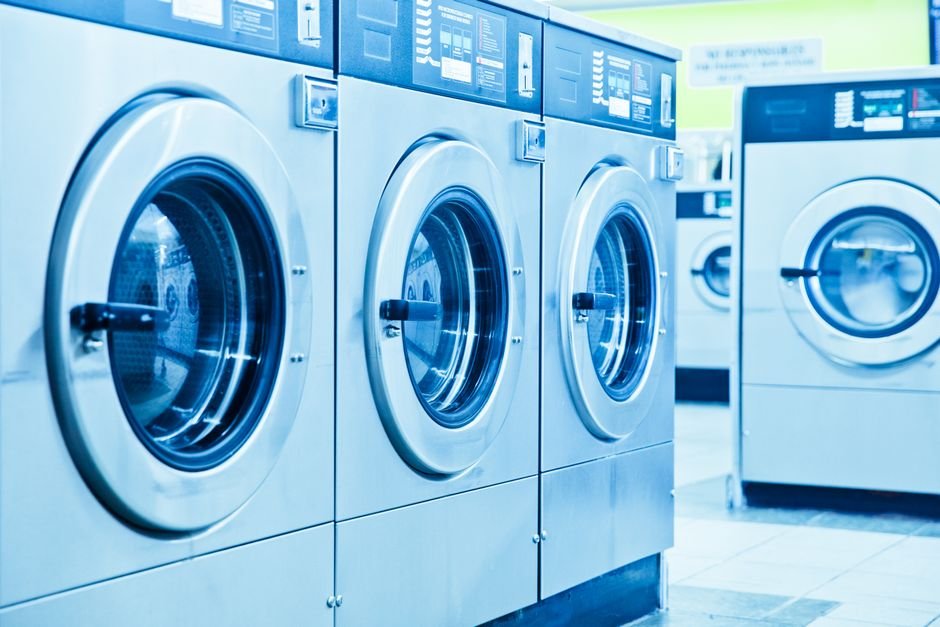
Washer Repair Service: a Complete Guide When your washing machine breaks down, it can disrupt your entire household routine. From piled-up laundry to scheduling challenges, a malfunctioning washer creates stress for busy families. Understanding when to seek professional washer repair service, what to expect during the process, and how to maintain your appliance can save you time, money, and frustration in the long run. Common Washing Machine Problems That Require Professional Repair Modern washing machines are complex appliances with electronic controls, sensors, and mechanical components that work together to clean your clothes efficiently. When something goes wrong, identifying the problem quickly is essential to prevent further damage. The washer won’t start or power on. This issue often stems from electrical problems, faulty door latches, or control board malfunctions. While checking the power outlet and circuit breaker is a good first step, persistent power issues require professional diagnosis to avoid safety hazards. Water leaks during or after cycles. Leaking washers can damage flooring and create mold problems if not addressed promptly. Common causes include worn door seals, damaged hoses, or faulty water inlet valves. Professional technicians can identify the exact source and replace damaged components before water causes structural damage to your home. The drum won’t spin or agitate properly. If your clothes come out soaking wet or the drum doesn’t move during the wash cycle, the problem could be a broken belt, faulty motor, or transmission issues. These mechanical failures require specialized tools and expertise to repair correctly. Unusual noises during operation. Grinding, squealing, or banging sounds indicate worn bearings, loose components, or foreign objects stuck in the drum. Ignoring these warning signs can lead to more extensive damage and costly repairs down the line. Error codes appearing on the display. Modern washers use diagnostic codes to communicate specific problems. Professional technicians have access to manufacturer documentation and understand what each code means, enabling faster and more accurate repairs. The Benefits of Professional Washer Repair Versus Replacement When facing a broken washing machine, many homeowners wonder whether repair or replacement makes more financial sense. While every situation is unique, professional repair often provides significant advantages. Quality washing machines built within the last decade are designed to last 10-15 years with proper maintenance. If your appliance is relatively new and experiences a single component failure, repair typically costs a fraction of replacement. Professional technicians can assess whether your specific washer is worth repairing based on its age, condition, and the extent of damage. Environmental considerations also matter. Appliance disposal contributes to landfill waste and requires manufacturing new products, which consumes energy and resources. According to research on consumer habits and sustainability, extending the life of existing appliances through repair reduces environmental impact significantly. Same-day service from certified repair professionals minimizes disruption to your household routine. Rather than spending days researching new washers, arranging delivery, and disposing of your old appliance, professional repair often resolves issues within hours, getting your laundry routine back on track quickly. What to Expect During a Washer Repair Service Call Understanding the repair process helps you prepare and ensures a smooth experience when the technician arrives at your home. The service call begins with diagnostic assessment. A certified technician will inspect your washing machine, test various functions, and may run diagnostic programs to identify the root cause of the problem. This thorough evaluation ensures accurate diagnosis rather than simply treating symptoms. Transparent pricing and approval. Before any work begins, reputable repair services provide clear explanations of the problem, recommended solutions, and upfront cost estimates. You should never feel pressured to approve repairs without understanding what’s wrong and how much it will cost. Most common washer repairs can be completed during the initial service call. Certified technicians arrive equipped with common replacement parts and specialized tools, enabling them to fix issues like faulty pumps, worn belts, or damaged hoses on the spot. For less common problems requiring special-order parts, the technician will explain the timeline and schedule a follow-up appointment. After completing repairs, professional technicians test the washer through complete cycles to verify proper operation. They should also clean up any mess created during the repair process and provide maintenance recommendations to prevent future problems. Preventive Maintenance Tips to Extend Your Washer’s Lifespan Regular maintenance significantly reduces the likelihood of unexpected breakdowns and extends your washing machine’s service life. Implementing these simple practices protects your investment and keeps laundry day running smoothly. Inspect and clean the door seal regularly. Front-loading washers especially are prone to mold and mildew buildup in the rubber door gasket. Wipe down the seal after each use and leave the door open between loads to allow moisture to evaporate. Use the correct amount and type of detergent. Excessive detergent creates buildup inside the machine and on clothing, while using non-HE detergent in high-efficiency washers can cause problems. Follow manufacturer recommendations for your specific model. Check hoses and connections periodically. Inspect water supply hoses for cracks, bulges, or signs of wear at least twice yearly. Replace hoses every five years as preventive maintenance, even if they appear undamaged. Ensure connections are tight to prevent leaks. Clean the drain pump filter monthly. Many washers have an accessible filter that traps lint, coins, and small objects. Regular cleaning prevents clogs that can cause drainage problems and unpleasant odors. Level your washing machine properly. An unbalanced washer vibrates excessively, causing premature wear on internal components and potentially damaging floors. Use a level to check all sides and adjust the feet accordingly. Don’t overload the drum. Cramming too many clothes into each load strains the motor, transmission, and suspension system. Follow capacity guidelines and distribute items evenly for balanced spinning. Choosing the Right Washer Repair Service in Your Area Not all appliance repair services offer the same level of expertise, reliability, or customer care. Selecting the right provider ensures quality work and peace of mind. Look for certified technicians with manufacturer training and proper licensing. Certification demonstrates that technicians have undergone formal training and stay current with evolving

Blog

Washer Repair Service: Expert Guide 2026

Washer Repair Service: Expert Guide 2026 Modern washing machines are essential household appliances that make daily life manageable. When these machines malfunction, it disrupts routines and creates unnecessary stress. Understanding when to seek professional washer repair service, what to expect during the repair process, and how to maintain your appliance can save time, money, and frustration. Ice Age Home Appliance Repair specializes in fast, certified washer repair services throughout the Phoenix metropolitan area, helping homeowners restore their appliances to optimal working condition with same-day service and transparent pricing. Common Washing Machine Problems That Require Professional Repair Washing machines develop various issues over their lifespan, some minor and others requiring immediate professional attention. Recognizing these problems early can prevent more extensive damage and costly replacements. Drainage issues are among the most frequent complaints. If water remains in the drum after a cycle completes, the problem may involve a clogged drain pump, kinked drain hose, or faulty pump motor. While some homeowners attempt DIY fixes, improper handling can worsen the situation or create water damage in your laundry area. When your washer produces excessive noise or vibration, multiple factors could be responsible. Worn drum bearings, unbalanced loads, loose components, or a failing drive belt all create alarming sounds during operation. These mechanical issues require professional diagnosis to identify the exact cause and implement appropriate repairs. Leaking water presents both an immediate concern and potential long-term damage to flooring and surrounding structures. Leaks can originate from damaged door seals, loose hose connections, cracked tubs, or faulty water inlet valves. Professional technicians have the tools and expertise to locate leak sources accurately and resolve them efficiently. If your washing machine won’t start or complete cycles, electrical or control board issues may be present. Door lock failures, broken timers, defective start switches, or control board malfunctions require technical knowledge and specialized equipment for proper diagnosis and repair. Benefits of Professional Washer Repair Service While some homeowners consider DIY repairs or appliance replacement, professional washer repair service offers distinct advantages that make it the preferred solution for most situations. Cost-effectiveness stands as a primary benefit. Repairing a washing machine typically costs significantly less than purchasing a new appliance, especially for mid-range to high-end models. Professional technicians can restore functionality at a fraction of replacement costs, extending your appliance’s useful life by several years. Certified repair technicians bring specialized expertise and diagnostic equipment to each service call. They understand the intricate systems within modern washing machines, from complex electronic control boards to sophisticated sensor systems. This knowledge enables accurate problem identification and effective solutions on the first visit. Time savings matter when your household routine depends on a functioning washer. Professional services like Ice Age Home Appliance Repair offer same-day appointments, getting your machine operational quickly rather than leaving you without laundry capabilities for extended periods while you research problems or wait for replacement deliveries. Professional repairs come with warranties on both parts and labor, providing peace of mind that the repair will last. If issues recur within the warranty period, technicians return to address problems at no additional charge, protecting your investment. Modern washing machines contain complex electrical and water systems that pose safety risks when handled improperly. Professional technicians follow safety protocols and understand manufacturer specifications, reducing risks of electrical shock, water damage, or personal injury associated with amateur repair attempts. What to Expect During a Washer Repair Service Call Understanding the repair service process helps homeowners prepare for technician visits and ensures smooth, efficient service experiences. The process begins with initial contact and scheduling. When you call Ice Age Home Appliance Repair or similar professional services, you’ll describe the symptoms your washing machine exhibits. This information helps technicians bring appropriate tools and common replacement parts to your appointment. During the diagnostic phase, the technician examines your washing machine thoroughly, testing various components and systems. They may run diagnostic cycles, check electrical connections, inspect mechanical parts, and use specialized tools to measure performance metrics. This comprehensive evaluation identifies the root cause of problems rather than just addressing symptoms. After diagnosis, the technician provides a clear explanation and cost estimate. Transparent pricing includes labor and parts, allowing you to make informed decisions about proceeding with repairs. Reputable services discuss options, explain what repairs involve, and answer questions before beginning work. The repair process varies depending on the problem identified. Some repairs complete in under an hour, while complex issues involving multiple component replacements may take longer. Professional technicians work efficiently while maintaining quality standards, testing repairs thoroughly before concluding the service call. Before leaving, technicians typically provide maintenance recommendations to help prevent future problems. They may suggest cleaning practices, load balancing techniques, or usage habits that extend your washing machine’s lifespan and optimize performance. Preventive Maintenance to Reduce Repair Needs Regular maintenance significantly reduces the frequency and severity of washing machine problems, much like how consistent physical activity promotes overall health according to guidance from the CDC on maintaining healthy systems. Implementing simple preventive measures protects your investment and ensures reliable operation. Clean the door seal and detergent dispenser monthly to prevent mold, mildew, and residue buildup. Front-loading washers particularly benefit from leaving the door ajar between uses, allowing moisture to evaporate and preventing odor development. Inspect and clean drain filters every few months. These filters catch lint, coins, and small objects that could damage the drain pump or cause drainage problems. Consult your owner’s manual for filter location and cleaning instructions specific to your model. Use appropriate detergent quantities according to manufacturer recommendations. Excessive detergent creates residue buildup inside the machine, affecting performance and creating maintenance issues over time. High-efficiency machines require HE-specific detergents in smaller amounts than traditional washers. Balance loads properly to reduce strain on drum bearings and suspension systems. Overloading machines or washing extremely unbalanced loads causes excessive vibration and accelerates wear on mechanical components. Check hoses annually for signs of wear, cracks, or bulging. Replace hoses showing deterioration before they fail and cause water damage. Consider upgrading to reinforced steel-braided

Blog

Fix Ice Maker Near Me: Expert Repair Guide

Fix Ice Maker Near Me: Expert Repair Guide When your ice maker stops working during the sweltering Arizona summer, it quickly becomes more than an inconvenience—it’s a disruption to your daily life. Whether you’re hosting a backyard gathering or simply trying to enjoy a cold drink, a malfunctioning ice maker demands immediate attention. Understanding when to troubleshoot, when to call professionals, and what to expect from repair services can save you time, money, and frustration. Ice Age Home Appliance Repair specializes in fast, reliable ice maker repairs throughout the Phoenix metropolitan area, including Tempe, Chandler, Gilbert, Mesa, and Scottsdale. With same-day service available, certified technicians can diagnose and resolve most ice maker issues quickly, ensuring your household returns to normal operation without unnecessary delays. Common Ice Maker Problems and Symptoms Ice makers are complex appliances that rely on multiple components working in harmony. When something goes wrong, the symptoms usually point to specific underlying issues. Recognizing these signs helps you communicate effectively with repair technicians and understand whether you need professional intervention. No ice production is the most obvious problem. This can result from a frozen water line, a faulty water inlet valve, a broken ice maker assembly, or even a malfunctioning thermostat. In some cases, the issue might be as simple as a clogged filter or an accidentally switched-off ice maker. Small or misshapen ice cubes typically indicate low water pressure or a partially clogged water filter. When the ice maker doesn’t receive adequate water flow, it can’t fill the molds properly, resulting in undersized or hollow ice pieces. Leaking water around or beneath your refrigerator often signals a problem with the water supply line, a cracked ice maker tray, or a damaged water inlet valve. Left unaddressed, leaks can cause water damage to flooring and create safety hazards. Excessive ice buildup or freezing in the ice maker compartment usually means a temperature regulation problem. This could stem from a defective thermostat, a malfunctioning defrost timer, or air circulation issues within the freezer. Strange noises including grinding, buzzing, or clicking sounds often indicate mechanical problems with the ice maker motor, ejector arm, or fill valve. While some operational sounds are normal, persistent unusual noises warrant professional inspection. DIY Troubleshooting Before Calling a Professional Before scheduling a repair service, several simple checks can help identify whether the problem requires professional attention or might be resolved with basic troubleshooting. These preliminary steps can save you a service call and potentially restore ice production quickly. First, verify that the ice maker is actually turned on. Many models feature an on/off switch or a wire arm that controls operation. Check that the arm isn’t in the “up” or “off” position and that any power switch is set to “on.” Inspect the water supply line to ensure it’s properly connected and the water valve is fully open. A partially closed valve restricts water flow, preventing proper ice production. Look for kinks or pinches in the supply line that could block water passage. Check your refrigerator’s water filter. Most manufacturers recommend replacing filters every six months, and a clogged filter dramatically reduces water pressure to the ice maker. If you can’t remember the last time you changed the filter, replacement should be your first step. Examine the freezer temperature. Ice makers require temperatures between 0°F and 5°F to function properly. If your freezer runs too warm, ice production will slow or stop completely. If it’s too cold, water lines may freeze. Clear any ice blockages from the ice maker mechanism. Sometimes ice cubes stick together or jam the ejector mechanism. Remove the ice bin and check for clumps or obstructions that might prevent new ice from forming or dispensing. When to Call Professional Ice Maker Repair Services While basic troubleshooting handles simple issues, certain problems require professional expertise, specialized tools, and replacement parts. Recognizing when to call a qualified technician prevents further damage and ensures safe, effective repairs. If you’ve completed basic troubleshooting without success, professional diagnosis becomes necessary. Certified technicians have diagnostic equipment to test electrical components, water pressure, and mechanical functions that homeowners cannot safely or effectively evaluate. Water leaks that persist after tightening connections or replacing the water filter require immediate professional attention. Leaks can indicate failed seals, cracked components, or pressure regulation problems that worsen over time and cause significant property damage. Electrical issues including repeated tripping of circuit breakers, burning smells, or visible sparking demand immediate professional service. These problems pose fire hazards and should never be addressed through DIY methods. When replacement parts are needed—such as water inlet valves, ice maker assemblies, thermostats, or control boards—professional installation ensures proper function and maintains your appliance warranty. Many manufacturers void warranties when unauthorized repairs are attempted. Unusual noises that continue after clearing ice jams often indicate worn motors, damaged gears, or failing bearings. These mechanical problems require disassembly and component replacement by trained technicians. What to Expect from Professional Ice Maker Repair Understanding the professional repair process helps you prepare for the service call and ensures you receive quality work. Reputable appliance repair companies follow consistent procedures designed to diagnose accurately, repair efficiently, and restore full functionality. During initial contact, expect to provide your refrigerator’s make, model, and age, along with a description of the problem. This information helps technicians arrive prepared with common parts and appropriate tools. Companies offering same-day service, like Ice Age Home Appliance Repair, prioritize scheduling to minimize your inconvenience. Upon arrival, the technician will perform a comprehensive diagnostic evaluation. This includes testing water pressure and supply, examining electrical connections, checking temperature settings, and inspecting all ice maker components for wear or damage. Thorough diagnosis prevents repeat service calls by identifying all contributing factors. Before beginning repairs, professional technicians provide transparent pricing that includes labor, parts, and any additional fees. You should receive a clear estimate and approval request before work commences. Reputable companies never surprise customers with hidden charges. The repair process typically involves replacing failed components, adjusting settings, clearing blockages, or recalibrating systems. Most

Blog

How to Fix Your Ice Maker Near You in 2026

How to Fix Your Ice Maker Near You in 2026 There’s nothing quite as frustrating as reaching for ice on a hot Arizona day only to find your ice maker isn’t working. Whether you’re hosting a backyard gathering in Scottsdale or simply need ice for daily use, a malfunctioning ice maker can quickly become a household inconvenience. Understanding common ice maker problems and knowing when to seek professional help can save you time, money, and hassle. This comprehensive guide will walk you through the most frequent ice maker issues, troubleshooting steps you can take yourself, and when it’s time to call in certified technicians who can provide fast, reliable service in the greater Phoenix area. Common Ice Maker Problems and Their Causes Ice makers can fail for numerous reasons, ranging from simple fixes to more complex mechanical issues. Understanding what might be wrong is the first step toward getting your appliance working again. Water supply issues are among the most common culprits. If your ice maker isn’t receiving adequate water, it can’t produce ice. This might be due to a kinked water line, a closed water valve, or a clogged water filter that needs replacement. Many homeowners in Mesa and Chandler find that their water filters haven’t been changed in months or even years, leading to restricted water flow. Temperature problems can also prevent proper ice production. Your freezer needs to maintain a temperature between 0°F and 5°F for optimal ice making. If the temperature is too warm, ice won’t freeze properly. If it’s too cold, the ice maker’s mechanical parts may freeze up and stop functioning. Mechanical failures include broken ice maker arms, faulty motors, or defective control modules. These components can wear out over time, especially in appliances that see heavy daily use. The ice maker’s bail arm, which signals when the bin is full, can become stuck in the off position, preventing new ice from being made. Mineral buildup and ice jams frequently occur in areas with hard water. The Phoenix metro area is known for its hard water, which can lead to calcium and lime deposits that clog water lines and freeze into solid masses that block ice production. DIY Troubleshooting Steps Before Calling for Help Before scheduling professional service, there are several troubleshooting steps you can safely perform yourself. These simple checks often resolve minor issues and might save you a service call. Start by checking the power supply. Ensure your ice maker is actually turned on—many models have a small switch or bail arm that can accidentally get switched off. Verify that the refrigerator itself is receiving power and functioning normally. Next, examine the water supply line. Look behind or beneath your refrigerator for the small plastic or copper tube that supplies water to the ice maker. Check that the water valve is fully open and that there are no visible kinks or damage to the line. If you have a water filter, consult your owner’s manual to determine if it’s due for replacement—most manufacturers recommend changing filters every six months. Inspect the freezer temperature using an appliance thermometer. If the temperature is outside the ideal range, adjust your freezer settings and wait 24 hours to see if ice production resumes. Remember that overfilling your freezer can restrict airflow and affect temperature regulation. Clear any ice jams by removing the ice bin and checking for frozen clumps or obstructions. If you find ice stuck in the mechanism, carefully thaw it using warm water or by unplugging the unit temporarily. Never use sharp objects to chip away ice, as this can damage components. Reset the ice maker following your manufacturer’s instructions. Most models have a reset button or a specific procedure that can resolve minor electronic glitches. After resetting, allow 24 hours for the cycle to complete before determining if the issue persists. When to Call Professional Ice Maker Repair Services While some ice maker issues are simple enough to resolve on your own, many situations require the expertise of certified appliance repair technicians. Knowing when to call for help prevents further damage and ensures safe, effective repairs. If you’ve completed basic troubleshooting without success, it’s time to consult professionals. Persistent water leaks indicate problems that require immediate attention, as they can damage your flooring and create mold hazards. Leaks might originate from cracked water lines, faulty valves, or damaged seals that need replacement. Unusual noises such as grinding, clicking, or buzzing sounds suggest mechanical problems with the motor, fan, or other moving parts. These components require specialized knowledge and tools to diagnose and repair safely. If your ice maker produces ice with strange tastes, odors, or discoloration, this might indicate contamination in the water supply line, a compromised filter, or mold growth within the system. Professional cleaning and sanitization ensure your ice is safe for consumption. Complete failure to produce ice after troubleshooting suggests deeper issues with the control module, thermostat, or electrical connections. These repairs involve working with electrical components and refrigerant systems that should only be handled by licensed technicians. Modern refrigerators with electronic displays may show error codes that indicate specific problems. Professional technicians have access to manufacturer diagnostic tools and codes that pinpoint exact issues, enabling faster, more accurate repairs. What to Expect from Professional Ice Maker Repair Understanding the professional repair process helps you know what to expect when scheduling service. Reputable appliance repair companies provide transparent, efficient service that respects your time and budget. Same-day service availability is particularly valuable in the Arizona heat, where ice isn’t just a convenience—it’s a necessity. Many local repair services in Tempe, Gilbert, and surrounding areas offer flexible scheduling, including evenings and weekends, to accommodate busy homeowners. During the diagnostic phase, certified technicians will examine your ice maker, test water flow and pressure, check electrical connections, and assess the condition of all mechanical components. They’ll explain their findings in clear terms and provide upfront pricing before proceeding with repairs. Transparent pricing should include the cost of labor, parts, and any service

Blog

How to Fix Your Ice Machine: Expert Guide

How to Fix Your Ice Machine: Expert Guide When your ice machine stops working properly, it can disrupt daily routines and cause significant inconvenience. Whether you’re dealing with a refrigerator ice maker that won’t produce ice, dispenses slowly, or creates oddly shaped cubes, understanding common problems and solutions can help you decide between DIY fixes and professional repair services. This comprehensive guide walks you through troubleshooting steps and explains when to call certified technicians for ice machine repairs. Common Ice Machine Problems and Their Causes Ice machines can experience various issues that prevent them from functioning correctly. The most frequent problem homeowners encounter is when the ice maker stops producing ice altogether. This can result from a frozen water line, a faulty water inlet valve, or a malfunctioning ice maker assembly. Temperature fluctuations in your freezer can also impact ice production, as ice makers require consistent temperatures between 0°F and 5°F to operate efficiently. Another common issue involves ice that forms in unusual shapes or clumps together. This typically indicates problems with water pressure, mineral buildup, or a defective ice mold thermostat. When ice cubes are hollow or smaller than normal, it often points to insufficient water flow reaching the ice maker. Conversely, if you notice water leaking from your ice dispenser or pooling beneath your refrigerator, you may be dealing with a cracked water line, loose connections, or a damaged ice maker fill cup. Strange noises during the ice-making cycle can signal mechanical problems with the motor, gears, or ejector arm. While some operational sounds are normal, loud grinding, clicking, or buzzing noises usually indicate components that need professional attention. Additionally, ice that tastes or smells unpleasant often results from old water filters, contaminated water supply lines, or ice that has been stored too long and absorbed freezer odors. DIY Troubleshooting Steps You Can Try Before calling a repair service, there are several troubleshooting steps you can safely perform. Start by checking the most obvious culprit: ensure the ice maker is actually turned on. Many models have a wire shut-off arm or an on/off switch that can accidentally get switched during cleaning or when rearranging freezer contents. Next, examine the water supply line for kinks, freezing, or blockages. If the line is frozen, you can carefully thaw it using a hairdryer on a low setting, keeping the dryer moving to avoid damaging plastic components. Verify that the water supply valve behind your refrigerator is fully open and that your home’s water pressure is adequate—typically between 20 and 120 psi for proper ice maker operation. Replacing the water filter is another simple maintenance task that can resolve many ice production issues. Clogged filters restrict water flow and should be changed every six months as recommended by most manufacturers. Clean the ice bin and dispenser chute to remove any ice buildup that might be blocking the dispensing mechanism. Sometimes ice can fuse together over time, preventing new ice from dropping into the bin. Check your freezer temperature using an appliance thermometer. If the temperature is too warm, your ice maker cannot function properly. Adjust the temperature settings and wait 24 hours to see if ice production resumes. Also inspect the door seal for gaps or damage that might be allowing warm air to enter, causing temperature fluctuations that affect ice making. When to Call Professional Ice Machine Repair Services While basic troubleshooting can resolve minor issues, certain problems require professional expertise and specialized tools. If you’ve checked the water supply, verified the ice maker is on, replaced the filter, and confirmed proper freezer temperature, but ice production hasn’t resumed after 24 hours, it’s time to contact a certified technician. Electrical components such as the ice maker module, motor, or control board should only be handled by trained professionals. These parts require specific testing equipment to diagnose properly and can pose safety risks if handled incorrectly. Water inlet valves, which control water flow into the ice maker, often fail and need replacement—a job best left to experienced repair technicians who can ensure proper installation and prevent leaks. Persistent water leaks around your refrigerator or ice dispenser indicate serious problems that can damage your flooring and create mold growth if not addressed promptly. Professional technicians can identify the leak source, whether it’s a cracked water line, faulty valve, or damaged ice maker assembly, and make necessary repairs. Similarly, if your ice maker produces constant noise or the motor runs continuously without making ice, internal mechanical failures likely require component replacement by qualified professionals. Strange electrical issues, such as the ice maker cycling repeatedly without producing ice or the control panel displaying error codes, definitely warrant professional diagnosis. Modern refrigerators contain complex electronic systems that require specialized knowledge to repair safely. According to guidance from the CDC on maintaining healthy home environments, ensuring appliances function properly contributes to overall household wellness and safety. Finding Qualified Ice Machine Repair Services When searching for ice machine repair services in the Phoenix metropolitan area, including communities throughout Tempe, Chandler, Gilbert, Mesa, and Scottsdale, prioritize companies that offer certified technicians with experience servicing your specific appliance brand. Reputable repair services provide transparent pricing, detailed estimates before beginning work, and warranties on both parts and labor. Same-day service availability is particularly valuable when dealing with a non-functioning ice maker, especially during Arizona’s hot summer months when ice becomes essential for daily comfort. Look for companies that maintain relationships with major appliance manufacturers and have access to genuine replacement parts rather than generic alternatives that may not perform reliably. Professional repair services should conduct thorough diagnostics to identify the root cause of problems rather than simply treating symptoms. Experienced technicians can spot potential issues before they become major failures, potentially saving you from costly emergency repairs down the line. They should also provide maintenance recommendations to extend your ice maker’s lifespan and prevent future breakdowns. Preventing Future Ice Machine Problems Regular maintenance significantly reduces the likelihood of ice maker failures. Replace water filters according to manufacturer recommendations, typically every

Blog

How to Fix an Ice Machine Near Me

How to Fix an Ice Machine Near Me When your ice machine stops working, it’s more than just an inconvenience—it can disrupt daily life, especially during Arizona’s scorching summer months. Whether you’re dealing with a commercial ice maker or a residential refrigerator ice dispenser, understanding common problems and knowing when to seek professional help can save you time, money, and frustration. This comprehensive guide will walk you through troubleshooting steps and explain how to find reliable repair services in the Phoenix metropolitan area. Common Ice Machine Problems and Their Causes Ice machines can fail for numerous reasons, and identifying the root cause is the first step toward a solution. The most frequent issues include insufficient ice production, where the machine makes less ice than normal or none at all. This problem often stems from water supply issues, clogged filters, or malfunctioning components like the water inlet valve or ice maker assembly. Another common complaint is poor ice quality. If your ice cubes are cloudy, taste bad, or have an unusual odor, the problem likely involves water filtration or the machine’s cleanliness. Ice machines require regular maintenance to prevent mineral buildup and bacterial growth, both of which affect ice quality and taste. Leaking water is another telltale sign of trouble. Water pooling beneath or around your refrigerator might indicate a cracked water line, loose connections, or a faulty water inlet valve. In some cases, the drain line becomes clogged with ice or debris, causing water to back up and leak. Strange noises during operation can signal mechanical problems. While some operational sounds are normal, loud grinding, clicking, or buzzing noises often indicate failing motors, worn gears, or ice jams that need immediate attention. DIY Troubleshooting Steps Before Calling for Help Before scheduling professional repair services, you can perform several basic troubleshooting steps that might resolve the issue. Start by checking the power supply and ensuring the ice maker is turned on. Many refrigerators have a dedicated on/off switch for the ice maker that can accidentally get switched off during cleaning or food organization. Examine the water supply line to verify it’s properly connected and the water shut-off valve is fully open. Low water pressure or a kinked supply line can prevent adequate water flow to the ice maker. If you have a whole-home water filtration system or the water supply to your home has been temporarily shut off, this could explain why your ice production has stopped. Replace the water filter if it hasn’t been changed in the last six months. Clogged filters restrict water flow and are one of the most common causes of reduced ice production. Most refrigerator manufacturers recommend filter replacement every six months, though this timeline may vary based on water quality and usage. Check the freezer temperature, which should be set between 0°F and 5°F for optimal ice production. If the temperature is too warm, the ice maker won’t function properly. Conversely, if it’s too cold, ice may clump together or the mechanism may freeze up. Clear any ice jams by removing the ice bin and checking for frozen clumps blocking the dispenser chute or ice maker arm. Sometimes ice cubes stick together or freeze to the bin, preventing new ice from dropping and signaling the machine to stop production. When Professional Ice Machine Repair Is Necessary While basic troubleshooting can resolve minor issues, certain problems require professional expertise and specialized tools. If you’ve performed the basic checks and your ice machine still isn’t working, it’s time to call in certified technicians who can diagnose and repair more complex issues. Electrical component failures, such as a malfunctioning thermostat, defrost timer, or control module, require technical knowledge and proper testing equipment to diagnose and replace safely. Attempting to repair electrical components without proper training can be dangerous and may void your appliance warranty. Refrigerant leaks or compressor problems indicate serious issues that only licensed professionals should handle. These repairs involve EPA-regulated materials and require specialized certification to manage properly. Similarly, if your ice maker’s mechanical assembly is broken—including the motor, gears, or harvest mechanism—replacement parts must be correctly installed to ensure proper operation. Water inlet valve failures are another common issue best left to professionals. While the diagnosis might seem straightforward, replacing this component involves working with both water and electrical connections, creating potential for water damage or electrical hazards if not done correctly. Ice Age Home Appliance Repair specializes in diagnosing and fixing all types of ice machine problems throughout Tempe, Chandler, Gilbert, Mesa, Scottsdale, and Phoenix. Their certified technicians arrive equipped with the tools and replacement parts needed to complete most repairs in a single visit, offering same-day service to minimize disruption to your daily routine. Choosing the Right Ice Machine Repair Service When searching for “fix ice machine near me,” you’ll likely find numerous options. Selecting the right repair service requires considering several important factors to ensure quality work and fair pricing. Certification and training should be your top priority. Reputable repair companies employ technicians certified to work on major appliance brands and models. These certifications indicate the technician has received proper training and stays current with the latest repair techniques and technology. Transparent pricing protects you from unexpected costs. Quality repair services provide upfront estimates and explain all charges before beginning work. Be wary of companies that can’t or won’t provide pricing information until after the repair is complete. Response time matters, especially during summer months when a functioning ice maker becomes essential. Companies offering same-day or next-day service demonstrate their commitment to customer satisfaction and maintain sufficient staffing levels to handle demand. Warranty coverage on both parts and labor provides peace of mind. Professional repair services stand behind their work with guarantees that protect you if the same problem recurs shortly after repair. Ask about warranty terms before authorizing any work. Customer reviews and testimonials offer valuable insights into a company’s reliability, professionalism, and quality of work. Take time to read recent reviews, paying particular attention to how the company responds

Blog

Fix Gas Oven Near Me: Your Complete Guide

Fix Gas Oven Near Me: Your Complete Guide When your gas oven stops working properly, it can disrupt your entire household routine. From uneven baking to complete failure to ignite, gas oven issues require prompt attention both for convenience and safety. Understanding common problems, knowing when to call a professional, and finding reliable local repair services can save you time, money, and frustration in 2026. Common Gas Oven Problems and Warning Signs Gas ovens are complex appliances with multiple components that can malfunction over time. Recognizing the warning signs early can prevent more serious issues and potentially dangerous situations. One of the most common problems is an oven that won’t heat properly. This might manifest as an oven that takes too long to preheat, doesn’t reach the set temperature, or heats unevenly. The issue could stem from a faulty igniter, a malfunctioning thermostat, or problems with the gas valve. An igniter that glows but doesn’t light the gas typically needs replacement, while a completely non-responsive igniter might indicate electrical issues. Another frequent complaint involves the oven not igniting at all. If you hear clicking sounds but see no flame, or if there’s no response whatsoever when you turn the oven on, the problem could be the igniter, a clogged burner, or issues with the gas supply line. Never attempt to force ignition or continue using an oven that smells of gas without igniting. Temperature inconsistencies are particularly frustrating for home cooks. If your baked goods come out undercooked on one side or burned on the other, you might be dealing with a broken heating element, a faulty temperature sensor, or problems with the oven’s calibration. These issues affect cooking quality and can waste both time and ingredients. Gas odors are the most serious warning sign. While a slight gas smell immediately after ignition is normal and dissipates quickly, a persistent or strong gas odor indicates a dangerous leak. In such cases, turn off the gas supply immediately, ventilate your home, and call for emergency service without delay. Why Professional Gas Oven Repair Matters While DIY repairs might seem tempting for budget-conscious homeowners, gas appliances require specialized knowledge and tools. Unlike electric ovens, gas ovens involve combustible fuel, making improper repairs potentially life-threatening. Certified technicians have the training to diagnose issues accurately. What might seem like a simple igniter problem could actually involve gas pressure issues, ventilation problems, or electrical malfunctions. Professional diagnostics save you from replacing parts unnecessarily and ensure the root cause is addressed. Safety is paramount when dealing with gas appliances. Professional repair services understand gas line connections, proper ventilation requirements, and safety protocols. They carry specialized equipment to detect gas leaks, measure gas pressure, and verify that repairs meet current safety codes. In metropolitan areas across the Phoenix Valley, including Tempe, Chandler, Gilbert, Mesa, and Scottsdale, local building codes and regulations govern gas appliance installations and repairs. Licensed technicians also provide warranties on their work, giving you peace of mind that the repair is guaranteed. If the same problem recurs shortly after service, reputable companies will return to resolve it without additional charges. This protection isn’t available with DIY repairs or unlicensed handymen. Additionally, proper repairs maintain your appliance warranty. Many manufacturers void warranties if unauthorized individuals perform repairs or if non-OEM parts are used. Professional services use manufacturer-approved parts and follow specified procedures to keep your warranty intact. What to Expect During Gas Oven Repair Service Understanding the repair process helps you prepare and ensures you receive quality service. When you schedule a gas oven repair, the technician will typically follow a systematic approach to diagnose and fix your appliance. The service call begins with a thorough inspection and diagnostic assessment. The technician will ask about symptoms you’ve noticed, when the problem started, and any unusual sounds or smells. They’ll examine the oven’s components, test the igniter, check gas flow, measure temperature accuracy, and inspect electrical connections. Once the diagnosis is complete, a professional technician will explain the problem in understandable terms and provide a detailed estimate before proceeding with repairs. This transparency allows you to make informed decisions about whether to repair or replace the appliance. The actual repair might involve replacing worn components like igniters, thermostats, or gas valves. More complex issues could require adjusting gas pressure, cleaning burner ports, recalibrating temperature sensors, or repairing electrical connections. Quality services use OEM or high-quality replacement parts designed for your specific oven model. After completing repairs, the technician will test the oven thoroughly to ensure it heats properly, maintains accurate temperatures, and operates safely. They should also clean the work area and provide maintenance tips to help prevent future problems. Choosing the Right Gas Oven Repair Service Not all appliance repair companies offer the same level of expertise, reliability, or customer service. Selecting the right provider ensures your oven is repaired correctly the first time. Look for companies with proper licensing and certification. Technicians should be certified to work on gas appliances and familiar with major brands and models. Experience matters significantly when dealing with gas appliances, so companies with established track records typically provide more reliable service. Same-day or next-day service availability is crucial when dealing with a broken oven. Companies that prioritize quick response times understand that a non-functional oven significantly impacts your daily life. Ice Age Home Appliance Repair specializes in fast service throughout the greater Phoenix area, recognizing that homeowners need their appliances working as quickly as possible. Transparent pricing is another essential factor. Reputable companies provide clear estimates before beginning work and explain all charges upfront. Be wary of services that can’t provide pricing information or that have hidden fees for diagnostics, travel, or parts. Customer reviews and testimonials offer valuable insights into a company’s reliability and service quality. Look for consistent positive feedback about punctuality, professionalism, repair quality, and fair pricing. Local companies often have stronger accountability to their communities and invest more in building lasting customer relationships. Preventing Future Gas Oven Problems While some oven problems are inevitable

Blog

Fix Electric Oven Near Me: Complete Guide

Fix Electric Oven Near Me: Complete Guide When your electric oven stops working, it disrupts your daily routine and meal planning. Whether you’re facing temperature inconsistencies, error codes, or a completely non-functional appliance, knowing how to find professional repair services in your area is essential. This comprehensive guide will help you understand common electric oven problems, when to call for professional help, and what to expect from quality appliance repair services. Common Electric Oven Problems and Warning Signs Electric ovens can develop various issues over time, and recognizing the warning signs early can prevent more costly repairs down the road. One of the most frequent problems is uneven heating or failure to reach the desired temperature. You might notice that your baked goods are undercooked in some areas or that the oven takes significantly longer to preheat than usual. Other common issues include: Complete power failure: The oven doesn’t turn on at all, with no display lights or sounds Error codes: Digital displays showing cryptic codes that indicate specific malfunctions Broken heating elements: Visible damage to the bake or broil elements, often appearing blistered or separated Faulty door seals: Heat escaping from gaps around the oven door, reducing efficiency Self-cleaning function failure: The self-clean cycle not completing or the door remaining locked after cleaning Temperature sensor issues: Oven reading temperatures incorrectly or shutting off prematurely Understanding these symptoms helps you communicate effectively with repair technicians and ensures faster diagnosis and resolution. In the Phoenix metropolitan area, where residents rely heavily on their kitchen appliances throughout the year, addressing these issues promptly maintains your home’s functionality. DIY Troubleshooting Before Calling a Professional Before scheduling a repair service, you can perform some basic troubleshooting steps that might resolve simpler issues. First, check your home’s circuit breaker to ensure the oven is receiving power. Electric ovens typically require dedicated circuits, and a tripped breaker is an easy fix that doesn’t require professional intervention. Next, consult your oven’s manual to understand any error codes displayed. Many modern ovens have built-in diagnostic systems that provide valuable information about malfunctions. Simple issues like a locked control panel or an accidentally activated Sabbath mode can often be resolved by following the manufacturer’s instructions. However, there are clear limits to DIY troubleshooting. You should never attempt to: Disassemble electrical components without proper training Replace heating elements if you’re unfamiliar with high-voltage appliances Bypass safety features or override error codes Perform repairs that could void your warranty When basic troubleshooting doesn’t resolve the issue, or when you encounter electrical components and internal mechanisms, it’s time to contact a certified appliance repair service. Choosing the Right Electric Oven Repair Service Finding a reliable repair service requires careful consideration of several factors. Look for companies that employ certified technicians with specific training in electric oven repair. Certification ensures that technicians understand the complexities of different brands and models, from Whirlpool and GE to Samsung and LG. When evaluating repair services in areas like Tempe, Chandler, Gilbert, Mesa, Scottsdale, and Phoenix, prioritize these qualities: Same-day or emergency service availability: A broken oven shouldn’t leave you without cooking capabilities for days. Quality repair companies understand the urgency and offer flexible scheduling, including same-day service for critical issues. You might find similar urgent needs when dealing with a broken dryer, as outlined in our comprehensive guide to Getting Your Dryer Fixed. Transparent pricing: Reputable services provide upfront estimates and explain all costs before beginning work. This transparency helps you make informed decisions and avoid surprise charges. For example, understanding what goes into Dryer Service Repair can give you an idea of the detail to expect. Warranty on repairs: Professional companies stand behind their work with warranties on both parts and labor, giving you peace of mind that the repair will last. Comprehensive brand experience: Technicians should have experience with all major appliance manufacturers and access to genuine replacement parts or high-quality alternatives. This level of expertise is similar to what you’d expect from experienced Dryer Technicians. Ice Age Home Appliance Repair exemplifies these standards, offering certified technicians who specialize in fast, reliable electric oven repairs across the greater Phoenix area. Their commitment to transparent pricing and same-day service ensures your appliance issues are resolved quickly and affordably. What to Expect During a Professional Repair Visit Understanding the repair process helps you prepare and ensures a smooth service experience. When you schedule an electric oven repair, the technician will typically follow a systematic approach to diagnose and fix the problem. The initial diagnostic phase involves testing various components, including the heating elements, temperature sensors, control boards, and door mechanisms. Technicians use specialized tools like multimeters to measure electrical continuity and voltage, ensuring accurate problem identification. Once the issue is identified, the technician will explain the problem in clear terms, discuss repair options, and provide a detailed cost estimate. This is your opportunity to ask questions about the repair process, expected lifespan of replaced parts, and any maintenance recommendations. The actual repair may involve replacing faulty components such as: Heating elements (bake or broil) Temperature sensors or thermostats Control boards or user interface panels Door hinges, latches, or gaskets Relays, fuses, or wiring harnesses Most electric oven repairs can be completed in a single visit, typically within one to two hours, depending on the complexity of the issue and parts availability. Professional technicians carry common replacement parts on their service vehicles, minimizing delays. Cost Considerations and When to Repair vs. Replace Electric oven repair costs vary depending on the specific problem, required parts, and labor involved. Simple fixes like replacing a heating element might cost between $150 and $300, while more complex issues involving control boards or multiple components could range from $300 to $600. The decision to repair or replace your oven depends on several factors. As a general rule, if the repair cost exceeds 50% of the replacement value and your oven is more than ten years old, replacement might be more economical. However, well-maintained ovens from quality manufacturers can last 15-20 years

Blog

Emergency Refrigerator Repair Guide

Emergency Refrigerator Repair Guide When your refrigerator stops working unexpectedly, it’s more than just an inconvenience—it’s an emergency that threatens your food supply, household budget, and daily routine. Understanding what constitutes a refrigerator emergency, how to respond, and when to call professional help can save you hundreds of dollars in spoiled food and prevent further damage to your appliance. A malfunctioning refrigerator requires immediate attention because even a few hours without proper cooling can compromise the safety of perishable foods. Whether you’re dealing with a complete breakdown in the middle of the Arizona summer heat or noticing unusual symptoms that signal impending failure, knowing how to handle the situation properly makes all the difference. Signs You Need Emergency Refrigerator Service Not every refrigerator issue qualifies as a true emergency, but certain signs demand immediate professional attention. Recognizing these warning signals helps you act quickly before minor problems escalate into major failures. Complete cooling failure represents the most obvious emergency. If your refrigerator’s interior temperature rises above 40°F, bacteria multiply rapidly on perishable items. You’ll notice food feeling warm to the touch, milk spoiling quickly, or frozen items beginning to thaw. Unusual noises like loud grinding, clicking, or buzzing often indicate compressor problems or motor failure. While refrigerators naturally produce some operational sounds, dramatic changes in noise level or new sounds you haven’t heard before typically signal mechanical distress requiring prompt diagnosis. Water pooling inside or around your refrigerator suggests multiple possible emergencies, from clogged defrost drains to failed door seals or damaged water lines. Beyond the appliance damage, water leaks create slip hazards and can damage flooring and cabinetry if left unaddressed. Electrical issues present serious safety concerns. If you notice burning smells, sparking, or frequent circuit breaker trips, disconnect the refrigerator immediately and contact emergency repair services. These symptoms could indicate dangerous wiring problems or component failures that pose fire risks. A refrigerator running continuously without cycling off wastes enormous amounts of energy and indicates the cooling system isn’t maintaining proper temperatures despite constant operation. This situation will lead to complete failure if not addressed promptly. Immediate Steps Before the Technician Arrives Taking appropriate action in the first moments after discovering a refrigerator problem can minimize food loss and prevent additional damage while you wait for professional repair services. First, avoid opening the refrigerator or freezer doors unnecessarily. A closed refrigerator maintains safe temperatures for approximately four hours, while a full freezer holds its temperature for about 48 hours if left unopened. Each time you open the door, you release cold air and accelerate warming. Check your temperature settings and power supply. Occasionally, someone accidentally adjusts the thermostat or the unit becomes unplugged. Verify that the refrigerator is receiving power and that circuit breakers haven’t tripped. Look for simple explanations before assuming the worst. If your refrigerator has completely failed and repair will take several hours, prioritize your most perishable and valuable foods. Transfer items like meat, dairy, and prepared foods to coolers with ice if available. Foods in sealed containers generally fare better than exposed items. Document the issue by taking photos and noting specific symptoms. Note when the problem started, any unusual sounds or smells, visible leaks, and temperature readings if available. This information helps technicians diagnose problems more efficiently once they arrive. For water leaks, place towels around the base to prevent floor damage and slip hazards. If you smell gas (from refrigerators with gas components, though rare in modern units) or detect electrical burning odors, evacuate the area and call emergency services before contacting appliance repair professionals. Common Refrigerator Emergencies and Causes Understanding frequent refrigerator failures helps homeowners recognize problems early and communicate effectively with repair technicians about symptoms and urgency. Compressor failure ranks among the most serious refrigerator emergencies. The compressor pumps refrigerant through the cooling system, and when it fails, the entire appliance stops cooling. Signs include the refrigerator running constantly without cooling, unusual clicking sounds, or complete silence where you’d normally hear the compressor cycle on and off. Refrigerant leaks gradually reduce cooling efficiency until the system can no longer maintain proper temperatures. You might notice frost buildup in unusual patterns, hissing sounds, or the refrigerator working harder while achieving less cooling. Refrigerant issues require professional repair—attempting DIY fixes is both dangerous and illegal under environmental regulations. Failed evaporator fan motors prevent cold air circulation even when the compressor works properly. The freezer may stay cold while the refrigerator section warms up, or you’ll notice significantly uneven temperatures throughout the compartments. This creates an emergency situation for perishable foods despite the cooling system technically functioning. Damaged or worn door gaskets allow warm air infiltration, forcing the refrigerator to run continuously while never achieving proper temperatures. In hot climates like those across the Phoenix metro area, compromised seals escalate from minor efficiency issues to emergency situations much faster than in cooler regions. Thermostat and control board failures prevent your refrigerator from regulating temperature properly. The unit might over-cool and freeze everything, fail to cool at all, or cycle erratically. Modern refrigerators with digital controls depend heavily on properly functioning electronic components. Choosing Emergency Repair Services When your refrigerator fails, you need fast, reliable service from qualified professionals who can diagnose and repair the problem quickly. Selecting the right emergency repair service impacts both the speed of your repair and the quality of the solution. Look for services offering same-day emergency appointments. Appliance emergencies don’t respect business hours, and companies genuinely committed to customer service provide rapid response times. Ice Age Home Appliance Repair specializes in quick turnaround times precisely because we understand the urgency of refrigerator failures. Certified technicians make the difference between proper repairs and temporary fixes that fail again quickly. Verify that repair services employ technicians trained and certified to work on major appliance brands. Proper certification ensures technicians understand complex refrigeration systems and follow manufacturer specifications. Transparent pricing protects you during stressful emergency situations. Reputable repair services provide clear estimates before beginning work, explaining what repairs are necessary, why

Blog

Dryer Technicians: Your Complete Guide

Dryer Technicians: Your Complete Guide When your dryer stops working or shows signs of malfunction, finding a qualified dryer technician becomes a top priority. These specialized professionals play a crucial role in maintaining one of the most essential appliances in your home. Understanding what dryer technicians do, when to call them, and how to choose the right one can save you time, money, and frustration while ensuring your laundry routine stays on track. What Dryer Technicians Do Dryer technicians are specialized appliance repair professionals who diagnose, repair, and maintain residential and commercial dryers. Their expertise extends beyond simple fixes—they understand the intricate electrical systems, heating elements, drum mechanisms, and ventilation components that make modern dryers function efficiently and safely. A qualified dryer technician can address numerous issues, including: Dryers that won’t start or turn on Heating problems that leave clothes damp Excessive noise during operation Drum rotation failures Error codes and digital display malfunctions Burning smells or overheating concerns Extended drying times and efficiency issues Ventilation system blockages Professional technicians arrive equipped with diagnostic tools, replacement parts, and the technical knowledge to repair all major dryer brands and models. They can work on gas and electric dryers, stackable units, and both vented and ventless systems. Their training allows them to quickly identify problems that might not be obvious to homeowners, preventing small issues from becoming expensive replacements. Common Dryer Problems That Require Professional Help While some dryer maintenance tasks can be handled by homeowners, many problems require the expertise of a certified technician. Recognizing when professional intervention is necessary can prevent safety hazards and avoid causing additional damage to your appliance. No Heat Production: When your dryer runs but doesn’t produce heat, the problem could involve the heating element, thermal fuse, high-limit thermostat, or gas valve solenoids in gas models. Diagnosing which component has failed requires specialized testing equipment and knowledge of electrical systems. Won’t Start: A dryer that refuses to start might have issues with the door switch, thermal fuse, drive motor, or start switch. Technicians can test these components systematically to identify the exact cause without replacing unnecessary parts. Unusual Noises: Squealing, grinding, or thumping sounds often indicate worn drum rollers, damaged belts, defective idler pulleys, or failing drum bearings. These repairs require disassembly of the dryer and replacement of mechanical components—tasks best left to professionals. Safety Concerns: Any burning smell, visible sparks, or frequent circuit breaker trips require immediate professional attention. These symptoms can indicate serious electrical problems or fire hazards that should never be ignored. According to the CDC’s safety guidelines, maintaining safe home environments is essential for overall wellbeing. Choosing the Right Dryer Technician Selecting a qualified dryer technician ensures your appliance receives proper care and repairs that last. Several factors should guide your decision when choosing a service provider for your area. Certification and Training: Look for technicians who are certified by recognized organizations or manufacturers. Many appliance brands offer specific training programs, and technicians who complete these courses have specialized knowledge about particular models and systems. Experience and Reputation: A technician’s track record speaks volumes about their capabilities. Companies with established histories in the community often have refined their processes and built reputations for quality work. Online reviews and recommendations from neighbors provide valuable insights into service quality. Response Time: Dryer malfunctions disrupt daily routines, making quick service essential. Technicians who offer same-day or next-day appointments demonstrate commitment to customer convenience. Fast response times are particularly valuable during busy seasons when laundry needs increase. Transparent Pricing: Reputable technicians provide clear pricing information upfront, including diagnostic fees, labor rates, and estimated parts costs. This transparency allows you to make informed decisions without worrying about surprise charges. Warranty Coverage: Quality technicians stand behind their work with warranties on both parts and labor. These guarantees provide peace of mind and protection for your investment in repairs. Preventive Maintenance and Technician Consultations Regular maintenance by professional dryer technicians can extend your appliance’s lifespan and prevent costly breakdowns. Many issues that eventually require repairs could be avoided through routine inspections and preventive care. Professional maintenance services typically include cleaning the entire ventilation system from the dryer to the exterior vent, inspecting electrical connections, checking belt tension and condition, lubricating moving parts, testing safety sensors, and examining heating elements for signs of wear. These comprehensive checks catch small problems before they escalate into major failures. Technicians can also optimize your dryer’s efficiency, potentially reducing energy consumption and utility bills. An efficiently running dryer completes cycles faster, consumes less electricity or gas, and puts less strain on components. Similar to how the NHS recommends regular exercise for maintaining physical health, regular appliance maintenance keeps your home systems functioning optimally. During maintenance visits, technicians often provide valuable advice about proper dryer use, recommended load sizes, ideal settings for different fabrics, and lint management strategies. This education helps homeowners maximize their appliance investment and avoid user-related problems. The Repair vs. Replace Decision Dryer technicians provide essential guidance when homeowners face the repair-or-replace dilemma. Their professional assessment considers multiple factors beyond the immediate repair cost. Age plays a significant role in this decision. Most dryers last 10-13 years with proper maintenance. If your dryer is approaching or exceeding this range, investing in expensive repairs may not make financial sense. However, a relatively new dryer with a single failed component is usually worth repairing. Technicians evaluate the overall condition of your appliance, not just the presenting problem. They can identify whether other components show signs of wear that might lead to additional failures soon. This comprehensive perspective helps you avoid throwing good money after bad on a dryer with multiple looming issues. Energy efficiency considerations also factor into the equation. Newer models often consume significantly less energy than older units. A technician can help you calculate whether the energy savings from a new, efficient model might offset the replacement cost over time. The cost threshold many professionals use is the 50% rule: if repair costs exceed half the price of a comparable new

Scroll to Top