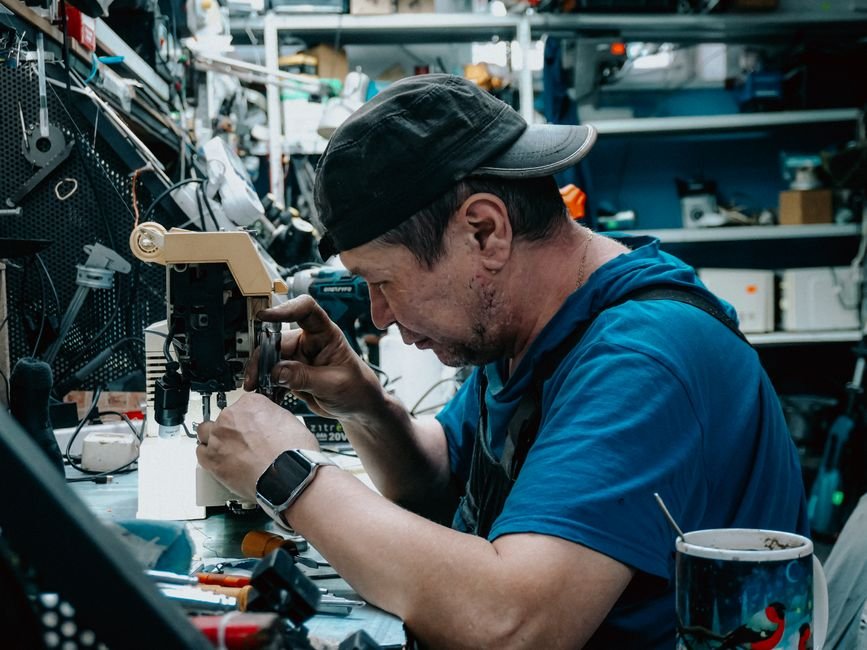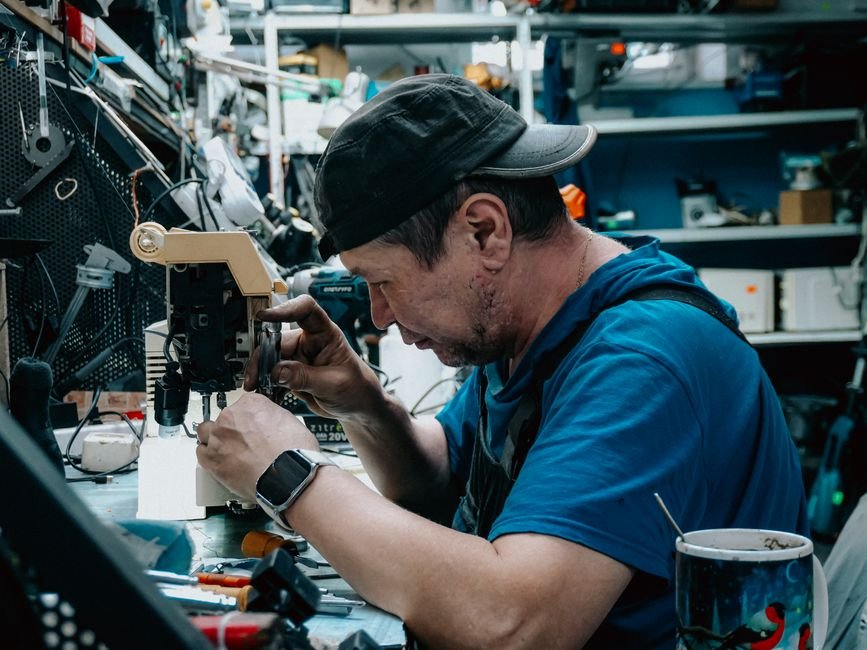


Finding a Dishwasher Repairman Recommendation
Finding a Dishwasher Repairman Recommendation When your dishwasher stops working properly, dirty dishes pile up quickly, and the inconvenience can disrupt your entire household routine. Finding a qualified dishwasher repairman becomes a top priority, but with so many options available, how do you choose the right professional for the job? This comprehensive guide will help you navigate the process of selecting a reliable technician who can restore your appliance to working order efficiently and affordably. Understanding Common Dishwasher Problems Before seeking repair services, it helps to understand what might be wrong with your dishwasher. Common issues include water not draining properly, dishes remaining dirty after a cycle, strange noises during operation, leaking water, or the appliance not starting at all. Some problems stem from simple clogs or user error, while others indicate mechanical or electrical failures requiring professional expertise. A qualified repair technician can diagnose issues ranging from faulty door latches and broken spray arms to malfunctioning heating elements and electronic control board failures. Understanding the potential causes helps you communicate effectively with repair professionals and make informed decisions about whether to repair or replace your appliance. While some minor issues like cleaning the filter or checking the water supply can be handled independently, most dishwasher repairs require specialized knowledge and tools. Attempting complex repairs without proper training can void warranties, cause additional damage, or create safety hazards, particularly with electrical and water connections. Key Qualities of a Reliable Dishwasher Repairman When searching for dishwasher repair recommendations, prioritize technicians who hold proper certifications and licensing. Professional certifications demonstrate that the repairman has undergone specialized training and stays current with the latest appliance technologies and repair techniques. This expertise is particularly important given the increasing complexity of modern dishwashers with digital controls and energy-efficient features. Experience matters significantly in appliance repair. A repairman who has worked with various dishwasher brands and models brings valuable problem-solving skills to your situation. They can often diagnose issues more quickly and accurately than less experienced technicians, saving you time and money. Look for professionals who have been in business for several years and have a proven track record in your community. Transparency in pricing and communication sets exceptional repair services apart. Reliable technicians provide clear estimates before beginning work, explain what repairs are necessary and why, and keep you informed throughout the process. They should be willing to answer questions about the repair, timeline, and warranty coverage without making you feel rushed or uninformed. Same-day or next-day service availability can be crucial when you’re dealing with a broken dishwasher. Companies that prioritize quick response times understand the inconvenience of appliance failures and structure their operations to accommodate urgent needs. This responsiveness often reflects overall business professionalism and customer service commitment. Where to Find Trusted Repair Recommendations Personal referrals from friends, family, and neighbors often yield the most trustworthy recommendations. People you know can share firsthand experiences about a repairman’s quality of work, pricing fairness, and professionalism. Don’t hesitate to ask specific questions about their experience, such as whether the repair lasted and if the technician showed up on time. Online reviews provide valuable insights into a repair company’s reputation. Check multiple platforms to get a comprehensive view of customer experiences. Pay attention to how businesses respond to negative reviews, as this reveals their commitment to customer satisfaction and problem resolution. Look for patterns in reviews rather than focusing solely on individual comments. Local business directories and community forums specific to the Phoenix metropolitan area can connect you with reputable service providers. These resources often feature verified businesses that serve Tempe, Chandler, Gilbert, Mesa, Scottsdale, and surrounding communities. Local companies typically have stronger accountability to their community reputation. Manufacturer recommendations can also guide your search. Some dishwasher brands maintain lists of authorized service providers who receive specialized training on their products. For instance, if you own a specific brand, you might search for a Bosch dishwasher repairman near me. While not the only option, these technicians may have access to proprietary diagnostic tools and genuine replacement parts that ensure optimal repair quality. Questions to Ask Before Hiring Before committing to a repair service, ask about their diagnostic process and fees. Some companies charge a service call fee that may or may not apply toward the final repair cost. Understanding these charges upfront prevents surprises on your bill. Inquire whether the technician carries common parts or if they’ll need to order components, which could extend the repair timeline. Ask about warranty coverage on both parts and labor. Reputable repair services stand behind their work with guarantees that protect you if the same problem recurs shortly after the repair. Warranty terms vary, but a minimum 30-day guarantee on labor and 90 days on parts is reasonable to expect from professional services. Confirm that the repair company carries proper insurance, including liability coverage and workers’ compensation. This protection shields you from responsibility if a technician is injured on your property or if the repair work inadvertently causes damage to your home. Don’t assume all service providers maintain adequate insurance. Discuss the estimated timeframe for completing the repair. While some fixes can be completed in a single visit, others may require ordering parts or multiple appointments. A clear timeline helps you plan accordingly and set realistic expectations about when you’ll have your dishwasher back in working order. Making the Repair vs. Replace Decision A professional repairman can help you evaluate whether repairing your current dishwasher makes financial sense or if replacement would be more cost-effective. As a general guideline, if the repair cost exceeds 50% of the price of a comparable new dishwasher, replacement often makes better economic sense, especially if your appliance is more than seven years old. Consider the age and overall condition of your dishwasher. Newer models with minor issues are typically worth repairing, while older appliances with multiple problems or outdated technology may be nearing the end of their useful life. An experienced technician can assess the overall condition and provide honest advice about expected