
Appliance Repairs: Your Complete Guide
Home appliances are the unsung heroes of modern living, working tirelessly to keep your household running smoothly. But when a refrigerator stops cooling, a dishwasher begins leaking, or a dryer refuses to heat, the disruption can feel overwhelming. Understanding the fundamentals of appliance repairs—from recognizing warning signs to choosing the right service provider—empowers homeowners to act quickly, save money, and extend the lifespan of their valuable investments.
Common Appliance Problems and Warning Signs
Recognizing early warning signs can prevent minor issues from becoming major repair bills. Refrigerators that struggle to maintain consistent temperatures, produce unusual noises, or develop frost buildup may indicate compressor problems, thermostat failures, or refrigerant leaks. These symptoms shouldn’t be ignored, as they often worsen rapidly and can lead to food spoilage.
Dishwashers commonly experience drainage issues, which manifest as standing water at the bottom after cycles complete. This typically points to clogged filters, blocked drain hoses, or faulty drain pumps. Additionally, if dishes emerge dirty or spotty despite proper loading and detergent use, spray arm blockages or water inlet valve problems may be the culprits.
Washing machines and dryers present their own unique challenges. Washers that vibrate excessively, fail to spin properly, or leave clothes soaking wet often have drum bearing issues, worn drive belts, or unbalanced loads. For specific issues, such as those with an LG model, you might need an LG washing machine repair expert. Dryers that take multiple cycles to dry clothing or produce burning smells require immediate attention, as lint buildup in vents poses serious fire hazards.
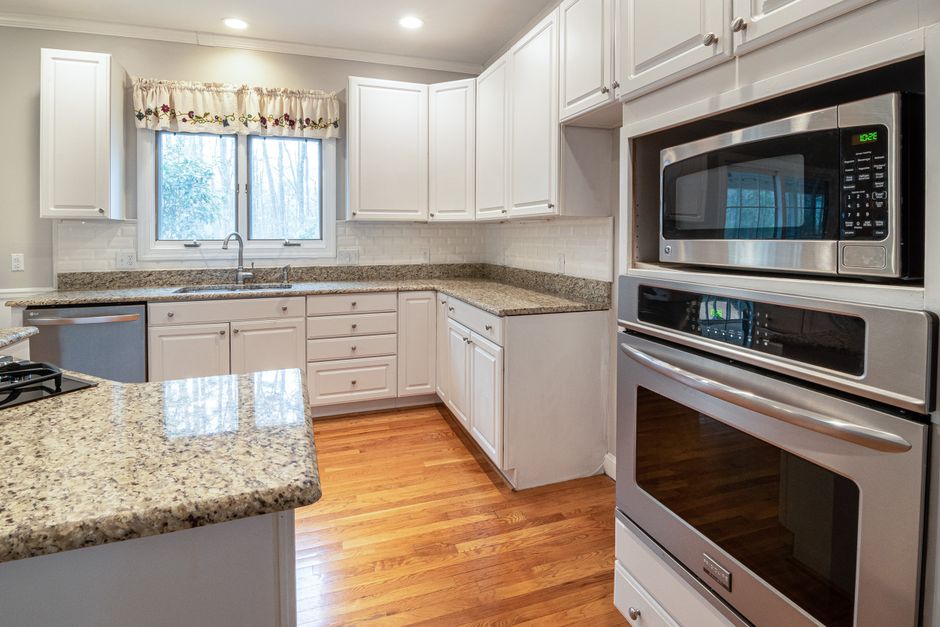
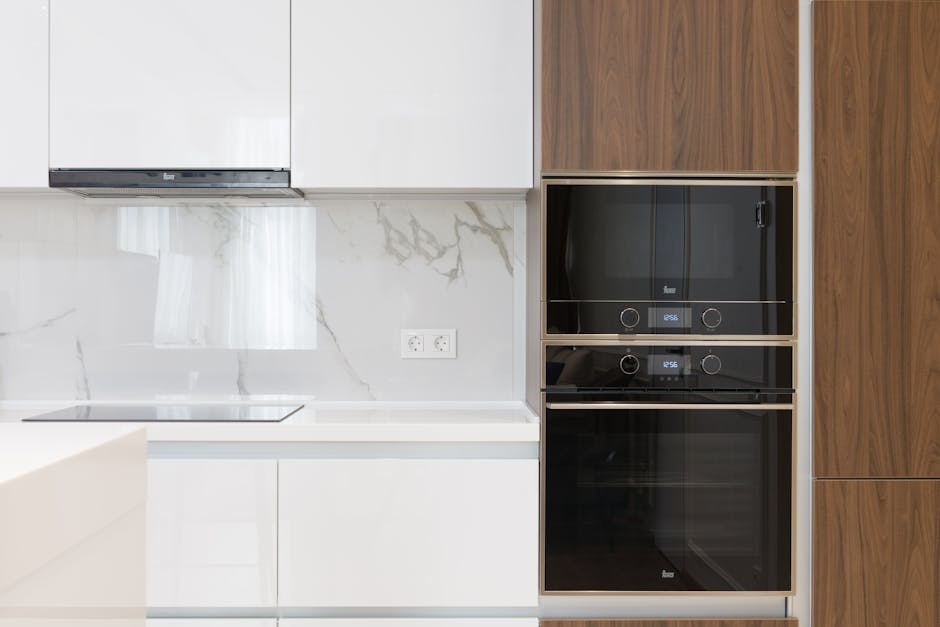
Stoves and ovens that heat inconsistently, fail to reach proper temperatures, or display error codes signal problems with heating elements, igniters, or control boards. Gas appliances with yellow flames instead of blue indicate combustion problems that demand professional evaluation for safety reasons.
DIY Maintenance vs. Professional Repairs
While some maintenance tasks remain well within homeowner capabilities, understanding when to call professionals prevents further damage and ensures safety. Simple tasks like cleaning refrigerator coils, replacing water filters, clearing dishwasher spray arms, and cleaning dryer lint traps belong squarely in the DIY category. These regular maintenance activities improve efficiency and prevent many common problems.

However, repairs involving electrical components, gas connections, refrigerant systems, or complex electronic controls require certified technicians. Attempting these repairs without proper training risks personal injury, appliance damage, and voided warranties. Professional technicians possess specialized diagnostic tools, manufacturer-specific knowledge, and access to genuine replacement parts that ensure repairs meet safety standards.
The cost-benefit analysis often favors professional service. While DIY attempts might save the service call fee, misdiagnosed problems or improper repairs frequently lead to additional damage that costs significantly more to correct. Certified repair professionals complete most jobs efficiently, often within a single visit, minimizing inconvenience and downtime.
Homeowners should maintain their appliances through regular cleaning and following manufacturer guidelines, but leave complex diagnostics and repairs to qualified professionals who carry proper licensing and insurance coverage.
Choosing a Reliable Appliance Repair Service
Selecting the right repair service requires careful consideration of several critical factors. Certification and licensing demonstrate that technicians have undergone proper training and meet industry standards. Companies that employ factory-certified technicians often provide superior service because their staff receives ongoing training directly from appliance manufacturers.

Response time matters significantly when essential appliances fail. Services offering same-day appointments minimize disruption to daily routines, particularly important for refrigerators storing perishable food or washers needed for family laundry. Availability during emergencies, including evening and weekend coverage, provides added peace of mind.
Transparent pricing policies protect consumers from unexpected charges. Reputable companies provide upfront estimates after diagnosis, clearly itemizing parts and labor costs before beginning work. This transparency allows homeowners to make informed decisions about whether repairs make financial sense compared to replacement.
Warranty coverage on both parts and labor indicates a company’s confidence in their work quality. Standard warranties typically range from 30 to 90 days, though some premium services offer extended coverage. Reading recent customer reviews and checking Better Business Bureau ratings reveals patterns in service quality, reliability, and customer satisfaction.
Local companies familiar with the unique challenges of regional climates and common appliance models in the area often provide more targeted expertise. They understand how desert heat affects cooling systems or how hard water impacts dishwashers and washing machines, enabling more accurate diagnostics and effective repairs.
Questions to Ask Before Hiring
- Are technicians certified and insured?
- Do you offer same-day or emergency service?
- What is your diagnostic fee policy?
- Can you provide an estimate before starting repairs?
- What warranty covers parts and labor?
- Do you specialize in my appliance brand?
- Are replacement parts genuine manufacturer components?
The True Cost of Appliance Repairs
Understanding repair economics helps homeowners make intelligent decisions about fixing versus replacing appliances. Typical service calls include diagnostic fees ranging from $75 to $150, which reputable companies often apply toward repair costs if you proceed with the work. Parts costs vary dramatically depending on the component—a simple thermostat might cost $50, while a refrigerator compressor could exceed $400.
Labor charges typically range from $100 to $200 per hour, with most repairs completed within one to two hours. Complex jobs involving multiple components or difficult access points may require additional time. Total repair bills commonly fall between $200 and $500 for most appliance issues, though major component replacements can approach $800 or more.
The repair-or-replace decision follows a practical rule: if repair costs exceed 50% of replacement value and the appliance has surpassed half its expected lifespan, replacement often makes better financial sense. Modern appliances typically last 10-15 years, meaning a 9-year-old refrigerator requiring a $600 repair might not justify the investment compared to purchasing a new, energy-efficient model.
Energy efficiency considerations also factor into this equation. Older appliances consume significantly more electricity than current models. The annual operating cost savings of a new Energy Star-rated appliance can offset replacement costs over time, particularly for refrigerators, which run continuously.
However, newer appliances experiencing minor issues within their warranty period should always be repaired. Even post-warranty, appliances under five years old with isolated problems typically benefit from professional repair, as they retain substantial remaining lifespan.
Preventing Future Appliance Problems
Proactive maintenance significantly extends appliance lifespans and reduces repair frequency. Establishing regular cleaning schedules for each appliance prevents the majority of common problems. Refrigerators benefit from quarterly coil cleaning, which improves cooling efficiency and reduces compressor strain. Checking and replacing door seals prevents cool air loss that overworks cooling systems.
Dishwashers require monthly filter cleaning and periodic inspection of spray arms for blockages. Running an empty cycle with specialized cleaning products removes mineral deposits and prevents unpleasant odors. Checking hoses for cracks or bulges prevents water damage from unexpected ruptures.
Washing machines need regular inspection of hoses, drain pumps, and door seals. Using appropriate detergent amounts—not more—prevents soap buildup that damages pumps and leaves residue on clothing. Leaving the door ajar after use allows moisture to evaporate, preventing mold growth in front-loading models.
Dryers demand vigilant lint management. Beyond cleaning the lint trap after every load, homeowners should annually clean the entire vent system from the appliance to the exterior termination. This prevents fire hazards and dramatically improves drying efficiency. Inspecting the exterior vent hood ensures it opens properly and remains free from bird nests or debris.
Stoves and ovens benefit from regular cleaning to prevent grease buildup, which can affect temperature accuracy and create fire risks. Checking burner performance and ensuring proper flame color on gas appliances maintains safe operation. Following manufacturer recommendations for self-cleaning cycles prevents damage from overuse of this feature.
Conclusion
Appliance repairs need not overwhelm homeowners who understand the basics of recognizing problems, knowing when to seek professional help, and maintaining their equipment properly. Choosing certified, reliable repair services with transparent pricing and strong warranties ensures quality work that extends appliance lifespans. While DIY maintenance plays an important role in preventing problems, complex repairs require professional expertise to ensure safety and proper function. By balancing preventive maintenance with timely professional intervention, homeowners protect their investments and maintain the smooth operation of their households. Ice Age Home Appliance Repair provides fast, certified service for residents throughout the East Valley, offering same-day appointments, transparent pricing, and expert appliance repairs for all major home appliances. Whether facing a refrigerator emergency or scheduling routine maintenance, partnering with qualified professionals ensures your home continues running efficiently year-round.