
Ceramic Stove Repair: Complete Guide

Ceramic Stove Repair: Complete Guide

Ceramic stovetops have become a staple in modern kitchens across Tempe, Chandler, and surrounding areas, offering sleek aesthetics and efficient cooking. However, when these sophisticated appliances malfunction, homeowners often face unique repair challenges. Understanding ceramic stove repair basics can help you maintain your appliance’s performance and know when to call professionals like Ice Age Home Appliance Repair for expert assistance. For more comprehensive information, explore our guide to Appliance Repairs: Your Complete Guide.

Understanding Ceramic Stovetop Technology

Ceramic stovetops use radiant heating elements beneath a smooth glass-ceramic surface, typically made from glass-ceramic materials that can withstand extreme temperature fluctuations. This technology differs significantly from traditional coil burners, requiring specialized knowledge for proper diagnosis and repair.
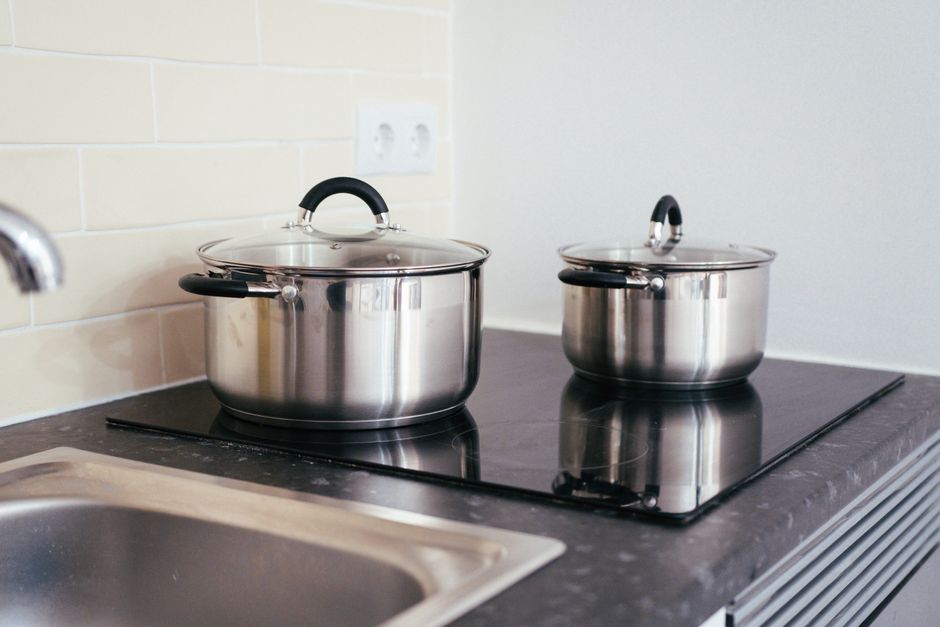
ceramic stove repair

The glass-ceramic surface is designed to transfer heat efficiently from the electric elements below to your cookware above. When functioning correctly, these stoves provide precise temperature control and easy cleanup. However, this advanced technology means that repairs often require professional expertise to maintain safety and functionality. If you’re wondering about the best options, consider delving into Best Appliance Repair Services for Your Home.

Most ceramic stovetops operate using halogen or radiant heating elements that glow red when activated. Understanding this basic mechanism helps homeowners identify when something isn’t working correctly, such as when elements fail to heat or heat unevenly across the cooking surface.

Common Ceramic Stove Problems

Several issues commonly affect ceramic stovetops, and recognizing these problems early can prevent more extensive damage. One frequent issue is surface scratches or cracks, which can occur from heavy cookware, improper cleaning, or thermal shock from spills on hot surfaces.

ceramic stove repair

Burner element failures represent another common problem. When a burner refuses to heat or only partially heats, the radiant element beneath the glass may have failed. These elements can burn out over time, especially with heavy use, and require replacement by qualified technicians.

Temperature control issues often stem from faulty control boards or damaged wiring. If your stovetop heats too quickly, doesn’t reach proper temperatures, or fluctuates unexpectedly, these electronic components may need professional diagnosis and repair.

Touch control panel malfunctions can render your entire stovetop unusable, even if the heating elements function properly. These sensitive controls can fail due to moisture damage, power surges, or simple wear over time.

  • Cracked or scratched glass-ceramic surface
  • Non-functional heating elements
  • Inconsistent temperature control
  • Unresponsive touch controls
  • Error codes or warning lights
  • Strange noises during operation

DIY Troubleshooting Steps

Before calling for professional repair services, homeowners can perform several basic troubleshooting steps. First, verify that your stovetop is receiving power by checking your circuit breaker panel. A tripped breaker or blown fuse could be the simple solution to what appears to be a major malfunction.

ceramic stove repair

Inspect the glass surface carefully for any visible damage. Small cracks can expand with heat cycling, so identifying damage early is crucial. If you discover cracks, discontinue use immediately and contact repair professionals to prevent safety hazards or further damage.

Clean the control panel thoroughly with appropriate cleaners, ensuring no moisture or debris interferes with touch controls. Sometimes, buildup of cooking residue can affect sensor responsiveness, and a proper cleaning might restore functionality. For more helpful hints, check out our Appliance Troubleshooting Tips for Arizona Homes.

Review your owner’s manual for error codes if your stovetop displays them. Modern ceramic stovetops often have diagnostic features that can pinpoint specific issues, providing valuable information for repair technicians when you schedule service.

When to Call Professional Repair Services

While some troubleshooting can be done independently, ceramic stovetop repair typically requires professional expertise. Any situation involving cracked glass, electrical issues, or internal component failures should be handled by certified technicians to ensure safety and proper repair.

ceramic stove repair

Electrical repairs pose significant safety risks and should never be attempted without proper training and tools. Ice Age Home Appliance Repair technicians have the expertise to safely diagnose and repair electrical issues, from faulty wiring to damaged control boards.

Glass-ceramic surface replacement is particularly delicate, requiring specialized tools and knowledge. Improper installation can lead to thermal stress, uneven heating, or complete failure of the new surface. Professional installation ensures proper sealing, leveling, and electrical connections.

Element replacement beneath the glass surface involves disconnecting power, removing the cooktop, accessing internal components, and properly installing new elements. This process requires technical knowledge to avoid damaging other components or creating safety hazards. For those seeking top-tier service, refer to Best Rated Appliance Repair Near Me: Your Complete Guide to Quality Service.

Ice Age Home Appliance Repair offers same-day service throughout Mesa, Scottsdale, Phoenix, and surrounding communities, providing fast, certified repairs with transparent pricing to get your kitchen back in working order quickly.

Preventive Maintenance for Ceramic Stovetops

Regular maintenance extends the life of your ceramic stovetop and prevents many common repair issues. Clean spills immediately after the surface cools to prevent baked-on residue that can cause scratching during cleaning or interfere with heat transfer.

Use only recommended cleaning products designed specifically for glass-ceramic surfaces. Abrasive cleaners, steel wool, or harsh chemicals can scratch or damage the surface, compromising both appearance and functionality. Specialized ceramic stovetop cleaners effectively remove residue while protecting the glass surface.

Inspect cookware regularly to ensure smooth, flat bottoms without rough edges or burrs that could scratch the cooktop surface. Heavy cast iron skillets should be lifted rather than slid across the surface to prevent scratches and cracks.

Avoid thermal shock by never placing cold or frozen items directly on hot burners. Similarly, don’t pour cold water on a hot surface, as rapid temperature changes can cause the glass-ceramic material to crack. Allow the surface to cool naturally between uses.

Schedule periodic professional inspections to identify potential issues before they become major problems. Technicians can check electrical connections, test control systems, and assess overall condition during routine maintenance visits.

Cost Considerations and Repair vs. Replacement

Understanding repair costs helps homeowners make informed decisions about fixing versus replacing their ceramic stovetop. Simple repairs like element replacement typically cost significantly less than full surface replacement or purchasing a new appliance.

Minor repairs such as replacing a single heating element or fixing control panel issues generally represent the most cost-effective option. These repairs extend your appliance’s life without the expense of replacement, particularly for newer units still under warranty or in good overall condition.

Major repairs involving glass surface replacement require careful cost-benefit analysis. If your stovetop is older, experiencing multiple issues, or requires extensive repairs, replacement might be more economical long-term. Professional technicians can provide honest assessments to help you make the best decision.

Transparent pricing from reputable repair services like Ice Age Home Appliance Repair ensures you understand all costs upfront, eliminating surprises and allowing you to make confident decisions about your appliance repair needs.

Conclusion

Ceramic stovetop repair requires specialized knowledge and professional expertise to ensure safe, effective restoration of your appliance. While basic troubleshooting can identify simple issues, most repairs should be handled by certified technicians equipped with proper tools and experience. Regular maintenance and proper use significantly extend your stovetop’s lifespan, preventing costly repairs and ensuring consistent performance. When problems do arise, prompt professional service from Ice Age Home Appliance Repair provides reliable solutions with same-day availability throughout the greater Phoenix area. By understanding common issues, practicing preventive care, and knowing when to call professionals, homeowners can maximize their investment in ceramic cooking technology while maintaining a safe, efficient kitchen environment.

Leave a Comment

Your email address will not be published. Required fields are marked *

Ceramic Stove Repair: Complete Guide

Ceramic Stove Repair: Complete Guide

Ceramic stovetops have become a staple in modern kitchens across Tempe, Chandler, and surrounding areas, offering sleek aesthetics and efficient cooking. However, when these sophisticated appliances malfunction, homeowners often face unique repair challenges. Understanding ceramic stove repair basics can help you maintain your appliance’s performance and know when to call professionals like Ice Age Home Appliance Repair for expert assistance. For more comprehensive information, explore our guide to Appliance Repairs: Your Complete Guide.

Understanding Ceramic Stovetop Technology

Ceramic stovetops use radiant heating elements beneath a smooth glass-ceramic surface, typically made from glass-ceramic materials that can withstand extreme temperature fluctuations. This technology differs significantly from traditional coil burners, requiring specialized knowledge for proper diagnosis and repair.

ceramic stove repair

The glass-ceramic surface is designed to transfer heat efficiently from the electric elements below to your cookware above. When functioning correctly, these stoves provide precise temperature control and easy cleanup. However, this advanced technology means that repairs often require professional expertise to maintain safety and functionality. If you’re wondering about the best options, consider delving into Best Appliance Repair Services for Your Home.

Most ceramic stovetops operate using halogen or radiant heating elements that glow red when activated. Understanding this basic mechanism helps homeowners identify when something isn’t working correctly, such as when elements fail to heat or heat unevenly across the cooking surface.

Common Ceramic Stove Problems

Several issues commonly affect ceramic stovetops, and recognizing these problems early can prevent more extensive damage. One frequent issue is surface scratches or cracks, which can occur from heavy cookware, improper cleaning, or thermal shock from spills on hot surfaces.

ceramic stove repair

Burner element failures represent another common problem. When a burner refuses to heat or only partially heats, the radiant element beneath the glass may have failed. These elements can burn out over time, especially with heavy use, and require replacement by qualified technicians.

Temperature control issues often stem from faulty control boards or damaged wiring. If your stovetop heats too quickly, doesn’t reach proper temperatures, or fluctuates unexpectedly, these electronic components may need professional diagnosis and repair.

Touch control panel malfunctions can render your entire stovetop unusable, even if the heating elements function properly. These sensitive controls can fail due to moisture damage, power surges, or simple wear over time.

  • Cracked or scratched glass-ceramic surface
  • Non-functional heating elements
  • Inconsistent temperature control
  • Unresponsive touch controls
  • Error codes or warning lights
  • Strange noises during operation

DIY Troubleshooting Steps

Before calling for professional repair services, homeowners can perform several basic troubleshooting steps. First, verify that your stovetop is receiving power by checking your circuit breaker panel. A tripped breaker or blown fuse could be the simple solution to what appears to be a major malfunction.

ceramic stove repair

Inspect the glass surface carefully for any visible damage. Small cracks can expand with heat cycling, so identifying damage early is crucial. If you discover cracks, discontinue use immediately and contact repair professionals to prevent safety hazards or further damage.

Clean the control panel thoroughly with appropriate cleaners, ensuring no moisture or debris interferes with touch controls. Sometimes, buildup of cooking residue can affect sensor responsiveness, and a proper cleaning might restore functionality. For more helpful hints, check out our Appliance Troubleshooting Tips for Arizona Homes.

Review your owner’s manual for error codes if your stovetop displays them. Modern ceramic stovetops often have diagnostic features that can pinpoint specific issues, providing valuable information for repair technicians when you schedule service.

When to Call Professional Repair Services

While some troubleshooting can be done independently, ceramic stovetop repair typically requires professional expertise. Any situation involving cracked glass, electrical issues, or internal component failures should be handled by certified technicians to ensure safety and proper repair.

ceramic stove repair

Electrical repairs pose significant safety risks and should never be attempted without proper training and tools. Ice Age Home Appliance Repair technicians have the expertise to safely diagnose and repair electrical issues, from faulty wiring to damaged control boards.

Glass-ceramic surface replacement is particularly delicate, requiring specialized tools and knowledge. Improper installation can lead to thermal stress, uneven heating, or complete failure of the new surface. Professional installation ensures proper sealing, leveling, and electrical connections.

Element replacement beneath the glass surface involves disconnecting power, removing the cooktop, accessing internal components, and properly installing new elements. This process requires technical knowledge to avoid damaging other components or creating safety hazards. For those seeking top-tier service, refer to Best Rated Appliance Repair Near Me: Your Complete Guide to Quality Service.

Ice Age Home Appliance Repair offers same-day service throughout Mesa, Scottsdale, Phoenix, and surrounding communities, providing fast, certified repairs with transparent pricing to get your kitchen back in working order quickly.

Preventive Maintenance for Ceramic Stovetops

Regular maintenance extends the life of your ceramic stovetop and prevents many common repair issues. Clean spills immediately after the surface cools to prevent baked-on residue that can cause scratching during cleaning or interfere with heat transfer.

Use only recommended cleaning products designed specifically for glass-ceramic surfaces. Abrasive cleaners, steel wool, or harsh chemicals can scratch or damage the surface, compromising both appearance and functionality. Specialized ceramic stovetop cleaners effectively remove residue while protecting the glass surface.

Inspect cookware regularly to ensure smooth, flat bottoms without rough edges or burrs that could scratch the cooktop surface. Heavy cast iron skillets should be lifted rather than slid across the surface to prevent scratches and cracks.

Avoid thermal shock by never placing cold or frozen items directly on hot burners. Similarly, don’t pour cold water on a hot surface, as rapid temperature changes can cause the glass-ceramic material to crack. Allow the surface to cool naturally between uses.

Schedule periodic professional inspections to identify potential issues before they become major problems. Technicians can check electrical connections, test control systems, and assess overall condition during routine maintenance visits.

Cost Considerations and Repair vs. Replacement

Understanding repair costs helps homeowners make informed decisions about fixing versus replacing their ceramic stovetop. Simple repairs like element replacement typically cost significantly less than full surface replacement or purchasing a new appliance.

Minor repairs such as replacing a single heating element or fixing control panel issues generally represent the most cost-effective option. These repairs extend your appliance’s life without the expense of replacement, particularly for newer units still under warranty or in good overall condition.

Major repairs involving glass surface replacement require careful cost-benefit analysis. If your stovetop is older, experiencing multiple issues, or requires extensive repairs, replacement might be more economical long-term. Professional technicians can provide honest assessments to help you make the best decision.

Transparent pricing from reputable repair services like Ice Age Home Appliance Repair ensures you understand all costs upfront, eliminating surprises and allowing you to make confident decisions about your appliance repair needs.

Conclusion

Ceramic stovetop repair requires specialized knowledge and professional expertise to ensure safe, effective restoration of your appliance. While basic troubleshooting can identify simple issues, most repairs should be handled by certified technicians equipped with proper tools and experience. Regular maintenance and proper use significantly extend your stovetop’s lifespan, preventing costly repairs and ensuring consistent performance. When problems do arise, prompt professional service from Ice Age Home Appliance Repair provides reliable solutions with same-day availability throughout the greater Phoenix area. By understanding common issues, practicing preventive care, and knowing when to call professionals, homeowners can maximize their investment in ceramic cooking technology while maintaining a safe, efficient kitchen environment.

Leave a Comment

Your email address will not be published. Required fields are marked *

Scroll to Top