
Best Appliance Repair Services for Your Home
When a major home appliance breaks down unexpectedly, it can disrupt your entire household routine. Whether it’s a refrigerator that’s stopped cooling, a dishwasher that won’t drain, or a dryer that refuses to heat, finding reliable and professional appliance repair services becomes an immediate priority. Understanding what makes a repair service truly exceptional can help you make informed decisions and get your home running smoothly again.
Ice Age Home Appliance Repair has been serving the greater Phoenix metropolitan area with certified technicians who understand the urgency of appliance failures. With same-day service availability throughout Tempe, Chandler, Gilbert, Mesa, Scottsdale, and Phoenix, homeowners can count on fast response times and transparent pricing that eliminates surprise charges.
Signs You Need Professional Appliance Repair
Recognizing when to call for professional help can prevent minor issues from becoming major problems. Many homeowners wait too long, hoping a problem will resolve itself, only to face more expensive repairs or complete appliance replacement later.

Refrigerators showing inconsistent temperatures, unusual noises, or excessive condensation require immediate attention. These symptoms often indicate compressor issues, refrigerant leaks, or failing seals that can compromise food safety. Similarly, if your dishwasher leaves dishes dirty, leaks water onto your floor, or fails to complete cycles, professional diagnosis can identify whether the issue stems from spray arms, pumps, or control boards.
Washing machines that vibrate excessively, fail to drain, or leave clothes soaking wet point to problems with drum bearings, pumps, or drive belts. Dryers taking multiple cycles to dry clothes or producing burning smells pose fire hazards and demand immediate professional inspection. Stoves and ovens with uneven heating, broken burners, or faulty ignition systems make cooking difficult and potentially dangerous.
Strange sounds like grinding, squealing, or banging from any appliance shouldn’t be ignored. These noises typically indicate mechanical problems that worsen over time. Water pooling around appliances, unusual odors, error codes on digital displays, or appliances that won’t turn on at all all warrant professional evaluation.
What Makes an Appliance Repair Service the Best
The best appliance repair services distinguish themselves through several critical factors. Certification and expertise top the list—technicians should be trained and certified to work on major brands and appliance types. This specialized knowledge ensures accurate diagnosis and proper repairs that last.

Response time matters significantly when you’re dealing with a broken refrigerator full of groceries or a washer full of wet clothes. Services offering same-day appointments demonstrate respect for your time and understand the urgency appliance failures create. Availability during evenings and weekends provides additional convenience for busy homeowners.
Transparent pricing protects consumers from unpleasant surprises. The best services provide clear estimates before beginning work, explain what repairs are necessary and why, and never pad bills with unnecessary services. Upfront diagnostic fees that apply toward repair costs show confidence in their work.
Warranty coverage on both parts and labor indicates a service stands behind their work. Reputable companies typically offer at least 90 days coverage on repairs, with some extending to a full year. This guarantee provides peace of mind that if something goes wrong, you won’t pay twice.
Customer service quality reflects overall business values. Professional services arrive on time, communicate clearly, respect your home by using protective coverings and cleaning up after work, and treat customers with courtesy. Online reviews and testimonials provide insights into real customer experiences.
Common Appliance Problems and Solutions
Understanding common appliance issues helps homeowners communicate effectively with repair technicians and make informed decisions about repairs versus replacement.
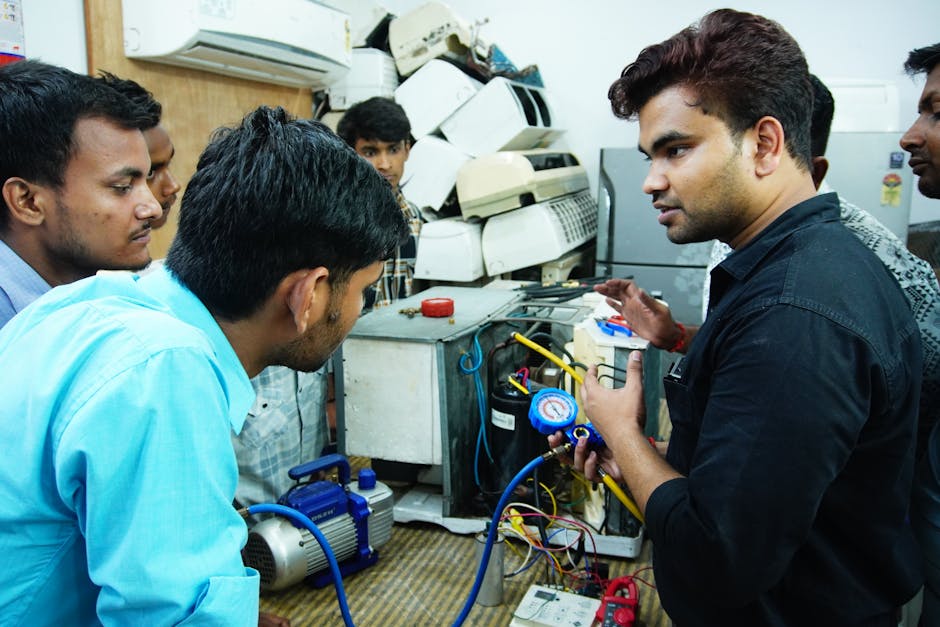
Refrigerator problems often involve temperature regulation. A refrigerator that’s too warm may have a faulty thermostat, blocked air vents, or a failing compressor. Ice buildup in freezers typically indicates defrost system failures. Door seal problems cause energy waste and temperature inconsistencies but are relatively inexpensive to fix.
Dishwasher issues frequently relate to water problems. Poor drainage usually points to clogged filters, blocked hoses, or failing drain pumps. Dishes remaining dirty suggest spray arm blockages, broken wash arms, or detergent dispenser malfunctions. Leaking dishwashers may have damaged door gaskets or loose hose connections.
Washing machines repairs commonly address drainage, spinning, or agitation problems. Clothes remaining wet indicate drain pump issues or clogged drain hoses. Machines that won’t spin properly may have worn drive belts, faulty lid switches, or motor problems. Excessive vibration often stems from unbalanced loads, but can also indicate worn shock absorbers or drum bearings.
Dryer problems typically involve heating or venting. Clothes taking too long to dry usually result from clogged lint screens or exhaust vents—a condition that also creates fire hazards. Complete heating failure may indicate blown thermal fuses, broken heating elements, or faulty thermostats. Drum not turning points to broken drive belts or motor issues.
Stove and oven repairs address heating elements, ignition systems, or control boards. Gas stoves with ignition problems may need new igniters or gas valve cleaning. Electric stoves with non-functioning burners typically require element replacement. Ovens not reaching proper temperatures often have faulty thermostats or failing heating elements.
The Repair vs. Replace Decision
Determining whether to repair or replace an appliance requires considering several factors. As a general rule, if repair costs exceed 50% of replacement cost and the appliance is more than halfway through its expected lifespan, replacement often makes more financial sense.

Appliance age significantly impacts this decision. Refrigerators typically last 13-17 years, dishwashers 9-13 years, washing machines 10-14 years, dryers 10-13 years, and ranges 13-15 years. Appliances near the end of their expected lifespan may experience cascading failures where fixing one problem leads to others appearing shortly after.
Energy efficiency considerations also matter. Older appliances consume significantly more electricity than modern Energy Star certified models. The energy savings from new appliances can offset their purchase price over time. This is particularly true for refrigerators, which run continuously, and dryers, which use substantial energy.
Repair history plays a role as well. Appliances requiring frequent repairs become money pits. If you’ve repaired the same appliance multiple times in recent years, replacement may provide better long-term value and reliability.
Professional technicians can provide honest assessments about whether repairs make sense. Reputable services won’t push unnecessary repairs and will advise when replacement is the smarter choice.
Preventive Maintenance for Appliance Longevity
Regular maintenance extends appliance lifespan and prevents many common failures. Simple tasks homeowners can perform make significant differences in appliance performance and longevity.
For refrigerators, clean condenser coils every six months to improve efficiency and prevent compressor failure. Check and clean door seals regularly to maintain proper temperature. Keep the interior organized to allow proper air circulation. Avoid overloading, which strains the compressor and cooling system.
Dishwasher maintenance includes cleaning filters monthly, running vinegar cycles quarterly to remove buildup, checking spray arms for clogs, and inspecting door seals for damage. Scraping dishes before loading, though not necessary to pre-rinse, prevents large particles from clogging the system.
Washing machines benefit from monthly cleaning cycles with washing machine cleaner or vinegar to prevent mold and odor. Leave the door open between uses to allow moisture to evaporate. Check hoses annually for cracks or bulges and replace every five years. Use appropriate detergent amounts—too much creates residue buildup.
Dryer maintenance focuses on lint removal. Clean the lint screen after every load, deep clean it monthly with soap and water, and have exhaust vents professionally cleaned annually. Inspect exhaust vent hoses for kinks or damage. This maintenance prevents fire hazards and improves efficiency.
For ranges and ovens, clean spills promptly to prevent baked-on messes that damage surfaces. Check burner connections on gas stoves and heating element conditions on electric models. Have gas connections inspected annually for safety.
Much like the importance of routine physical activity for maintaining personal health—as emphasized by health authorities like the CDC’s physical activity guidelines—regular appliance maintenance prevents problems before they start.
Choosing the Right Repair Service in the Valley
Selecting an appliance repair service requires research and careful consideration. Start by verifying credentials and certifications. Technicians should be factory-trained or certified by recognized organizations for the appliance brands they service.
Check licensing and insurance. Legitimate services carry proper business licenses and liability insurance that protects your home if something goes wrong during repairs. Don’t hesitate to ask for proof of insurance.
Read recent customer reviews across multiple platforms. Look for patterns in feedback regarding punctuality, pricing accuracy, repair quality, and customer service. A few negative reviews among many positive ones is normal, but consistent complaints about the same issues raise red flags.
Compare pricing structures. While the lowest price isn’t always best, pricing should be competitive and transparent. Be wary of services requiring large upfront payments before diagnosing problems.
Ask about parts sourcing. Quality services use OEM (original equipment manufacturer) parts or equivalent quality aftermarket parts. Cheap parts may reduce initial costs but often fail quickly, requiring repeat repairs.
Evaluate communication quality during initial contact. Professional services answer questions clearly, provide realistic time estimates, and make you feel valued as a customer. Poor communication early often indicates problems later.
Ice Age Home Appliance Repair meets these criteria with certified technicians, transparent pricing, same-day service availability, and comprehensive coverage of all major appliance brands across the East Valley and Phoenix area.
Conclusion
Finding the best appliance repair service means looking beyond price to consider expertise, reliability, transparency, and customer service quality. When appliances fail, quick response times and accurate diagnosis minimize disruption to your household routine. Professional repairs performed by certified technicians using quality parts ensure your appliances function properly for years to come.
Whether you’re dealing with a refrigerator that’s stopped cooling, a washing machine that won’t drain, or any other appliance emergency, choosing a reputable service provider makes all the difference. Preventive maintenance extends appliance lifespan, but when repairs become necessary, working with experienced professionals ensures the job is done right the first time. For homeowners throughout Tempe, Chandler, Gilbert, Mesa, Scottsdale, and Phoenix, having a trusted appliance repair partner means one less worry when household essentials break down.