
Appliance Troubleshooting Tips for Arizona Homes
Living in Arizona means dealing with extreme temperatures that can take a toll on your home appliances. From scorching summers that push your refrigerator to its limits to hard water that clogs your dishwasher, understanding how to troubleshoot common appliance issues can save you time and money. This comprehensive guide covers essential troubleshooting tips specifically tailored for Arizona homeowners, helping you identify when you can fix a problem yourself and when it’s time to call in professional help.
Understanding Arizona’s Unique Appliance Challenges
The desert climate presents specific challenges for household appliances. Summer temperatures regularly exceed 110°F, placing extraordinary stress on cooling systems and motors. The intense heat can cause rubber seals to dry out faster, electrical components to overheat, and plastic parts to become brittle. Additionally, Arizona’s hard water contains high mineral content that leads to buildup in washing machines, dishwashers, and water lines.

Dust and sand are constant companions in the Valley. These particles infiltrate appliances through vents and openings, clogging filters and coating internal components. Regular maintenance becomes even more critical in this environment, as neglect can quickly turn minor issues into major repairs.
Refrigerator Troubleshooting in Extreme Heat
Your refrigerator works harder in Arizona than almost anywhere else. If you notice it’s not cooling properly, start by checking the condenser coils. These coils, typically located at the back or bottom of the unit, dissipate heat. In dusty conditions, they accumulate debris quickly, forcing your refrigerator to work overtime.
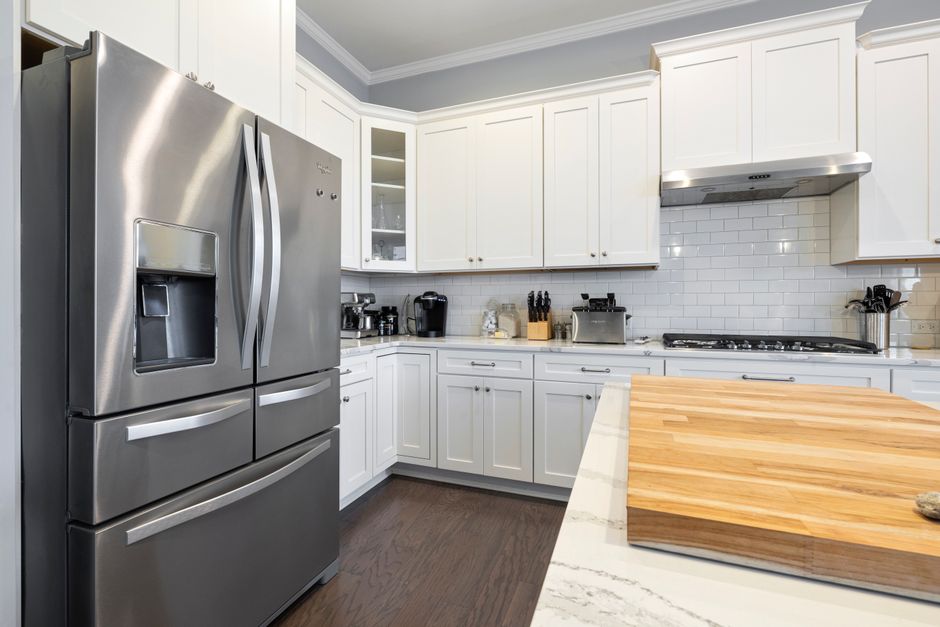
Clean the coils every three months using a vacuum with a brush attachment. Unplug the refrigerator first, then gently remove dust and debris. This simple maintenance task can improve efficiency by up to 25% and extend your appliance’s lifespan.
Check the door seals by closing the door on a dollar bill. If you can pull it out easily, the seal needs replacing. Damaged seals allow cool air to escape, making your refrigerator run continuously and driving up energy costs.
If your refrigerator is still struggling, ensure adequate ventilation around the unit. The ambient temperature in your garage or kitchen affects performance. Keep the refrigerator at least two inches from the wall and away from direct sunlight or heat sources like ovens.
Dishwasher Problems and Hard Water Solutions
Hard water is particularly problematic for dishwashers throughout the Phoenix metro area. If you notice white film on dishes or reduced cleaning performance, mineral buildup is likely the culprit. Run an empty cycle with two cups of white vinegar placed in a dishwasher-safe container on the top rack to dissolve deposits.

For persistent issues, inspect the spray arms for clogged holes. Remove them according to your manual and use a toothpick to clear any blocked openings. Check the filter at the bottom of the dishwasher monthly and clean it thoroughly. A clogged filter prevents proper drainage and reduces cleaning effectiveness.
If dishes aren’t drying properly, verify that your rinse aid dispenser is filled. Arizona’s low humidity actually helps with drying, so if problems persist, the heating element may need professional attention. Also ensure you’re using the appropriate detergent amount—too much soap creates excess suds that interfere with cleaning.
Washing Machine and Dryer Maintenance
Washing machines face unique challenges with hard water and sediment. If your washer won’t drain, first check the drain hose for kinks or clogs. Remove the hose and flush it with water. Inspect the pump filter, usually accessed through a small door at the front bottom of front-loading machines. Clean out coins, lint, and debris that accumulate there.

For top-loaders that won’t agitate, the issue might be as simple as an unbalanced load. Redistribute clothes evenly and ensure the machine is level. If you hear grinding noises, small items like coins or buttons may have fallen into the drum. Stop use immediately and investigate to prevent damage.
Dryers should be maintained vigilantly in dusty environments. Clean the lint filter after every load without exception. Twice yearly, disconnect the dryer and clean the entire vent duct system. Restricted airflow causes longer drying times, increases energy costs, and creates a serious fire hazard. Use a vent brush or vacuum attachment to remove buildup.
If clothes take multiple cycles to dry, check that the outside vent flap opens freely when the dryer runs. Birds occasionally nest in these vents, and dust can cause the flap to stick closed.
Oven and Stove Troubleshooting Tips
Gas and electric ranges each have specific issues. For gas stoves, if burners won’t light, check that the burner caps are properly seated and the igniter ports are clean. Food debris and grease frequently clog these small openings. Use a toothbrush and soapy water to clean burner components, ensuring everything is completely dry before reassembling.
Electric stoves with burners that don’t heat evenly may have a faulty element. These typically plug into receptacles and can be tested by swapping with a working burner. If the problem follows the element, replacement is straightforward and inexpensive.
For ovens that won’t reach temperature, verify the settings first—it sounds simple, but incorrect mode selection is common. Use an oven thermometer to check actual temperature against the setting. A difference of more than 25°F indicates calibration issues or a failing heating element. For more in-depth solutions, consult our Oven Not Heating up Properly: Complete Troubleshooting Guide.
Self-cleaning cycles should be used cautiously in extreme heat. The high temperatures required can stress components when your home is already hot. Consider running self-clean cycles during cooler evening hours or milder weather.
When to Call Professional Help
While many issues can be resolved with basic troubleshooting, some problems require professional expertise. Call a certified technician if you encounter electrical issues, gas leaks, or unusual noises that persist after basic maintenance. According to the CDC guidelines on safety, maintaining a safe home environment includes ensuring appliances function properly without hazards.
Water leaks should be addressed immediately to prevent damage and mold growth. If refrigerant lines are involved, only certified technicians should handle repairs due to environmental regulations and safety concerns.
Ice Age Home Appliance Repair provides same-day service throughout the Valley with transparent pricing and certified technicians. For residents in Tempe, Chandler, Gilbert, Mesa, Scottsdale, and Phoenix, professional help is available when DIY troubleshooting doesn’t solve the problem. Learn more about Appliance Repairs: Your Complete Guide.
Don’t ignore warning signs like burning smells, sparking, or excessive vibration. These symptoms indicate serious issues that could lead to appliance failure or safety hazards. Professional diagnosis often saves money by identifying problems before they cause catastrophic damage, and you can find Best Rated Appliance Repair Near Me: Your Complete Guide to Quality Service to help.
Preventive Maintenance for Arizona Conditions
Prevention is more cost-effective than repair. Create a maintenance schedule that accounts for Arizona’s harsh environment. Clean refrigerator coils quarterly, inspect washing machine hoses for cracks annually, and replace them every five years regardless of appearance. The extreme temperature fluctuations between air-conditioned interiors and hot garages accelerate rubber deterioration.
Install a whole-house water softener or use appliance-specific filters to combat hard water. This investment protects all water-using appliances and improves their longevity. Regularly clean or replace filters in dishwashers, washing machines, and refrigerator water dispensers.
Keep appliances away from direct sunlight when possible. UV exposure fades control panels and degrades plastic components. Ensure adequate ventilation in laundry rooms and around refrigerators to help dissipate heat efficiently.
Consider surge protectors for expensive appliances. Summer monsoon storms bring power fluctuations that can damage sensitive electronic controls. A quality surge protector is inexpensive insurance against lightning-related damage. For comprehensive solutions and trusted service, explore Expert Appliances & Repair for Your Home.
Conclusion
Arizona homeowners face unique appliance challenges that require proactive maintenance and informed troubleshooting. By understanding how extreme heat, hard water, and dust affect your appliances, you can implement preventive measures and address minor issues before they escalate. Regular cleaning, proper ventilation, and attention to warning signs keep appliances running efficiently in the demanding desert climate. When problems exceed basic troubleshooting, professional service ensures safe, reliable repairs that restore your home’s functionality quickly. With the right knowledge and timely action, you can extend appliance lifespan and avoid costly replacements in Arizona’s challenging environment.