
Washer Repair: Complete Guide for Homeowners
When your washing machine breaks down, it disrupts your entire household routine. From accumulating dirty laundry to the stress of finding a reliable repair service, a malfunctioning washer creates immediate challenges. Understanding common washing machine problems, knowing when to call professionals, and learning how to maintain your appliance can save you time, money, and frustration.
This comprehensive guide covers everything homeowners need to know about washer repair in 2026, from identifying common issues to choosing the right repair service for your needs.
Common Washing Machine Problems and Their Symptoms
Modern washing machines are complex appliances with numerous components that can fail over time. Recognizing the symptoms of common problems helps you communicate effectively with repair technicians and understand the urgency of the situation.
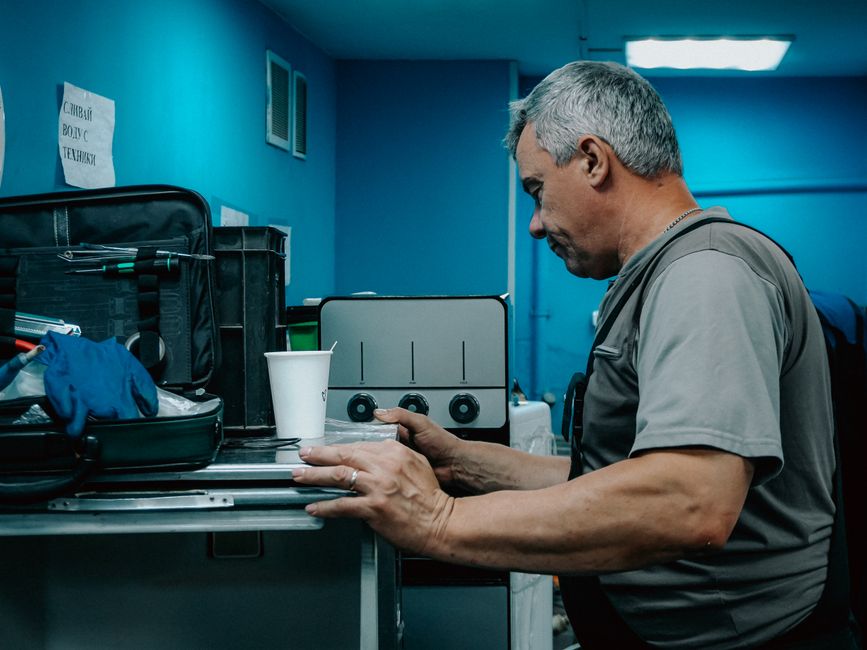
The washer won’t start or power on. This issue often stems from electrical problems, faulty door locks, or control board malfunctions. Before calling for repair, check that the machine is properly plugged in and that your circuit breaker hasn’t tripped. If these basic checks don’t resolve the problem, professional diagnosis is necessary.
Water won’t drain or drains slowly. Standing water in your drum indicates drainage problems, typically caused by clogged drain pumps, kinked hoses, or blocked filters. This issue requires prompt attention to prevent water damage and mold growth.
The machine is leaking water. Leaks can occur from door seals, hose connections, or internal pump failures. Even small leaks warrant immediate professional attention, as they can cause significant water damage to flooring and surrounding structures. For more detailed information on preventing and addressing such issues, consult our Appliance Leak Cleanup Guide for Homeowners.
Unusual noises during operation. Grinding, banging, or squealing sounds often indicate worn bearings, loose drums, or foreign objects caught in the pump. Operating a noisy machine can lead to more extensive damage if left unaddressed.
The washer won’t spin or agitate properly. This problem affects cleaning performance and can result from motor issues, worn belts, or transmission failures. Clothes remaining soaking wet after the cycle completes is a clear sign of spin cycle malfunction.
Error codes appearing on the display. Modern washers display diagnostic codes that indicate specific malfunctions. While you can look up these codes in your owner’s manual, professional interpretation ensures accurate diagnosis and appropriate repairs.
When to Repair vs. Replace Your Washing Machine
Deciding whether to repair or replace your washer depends on several factors. As a general rule, if repair costs exceed 50% of the replacement price and your machine is older than eight years, replacement might be more economical.

Consider the age of your appliance. Washers typically last 10-15 years with proper maintenance. A five-year-old machine with a repairable problem is usually worth fixing, while a 12-year-old washer might be nearing the end of its useful life. For a broader perspective on maintaining various household appliances, our Age Appliance Repair: Complete Guide offers valuable insights.
Evaluate repair costs against replacement. Simple repairs like replacing a door seal or drain pump are typically affordable and extend your appliance’s life by years. However, major component failures like motor or transmission issues on older units may justify replacement.
Energy efficiency matters in 2026. Newer washing machines use significantly less water and electricity than models from even five years ago. According to the NHS, lifestyle efficiency improvements benefit both household budgets and environmental health. If your current washer is very old, the energy savings from a new model might offset the purchase price over time.
Frequency of repairs also factors into this decision. If you’ve repaired your washer multiple times in recent years, replacement prevents the frustration and expense of ongoing breakdowns.
The Washer Repair Process: What to Expect
Understanding the professional repair process helps you prepare for service and ensures smooth communication with technicians.

Initial assessment and diagnosis. Qualified technicians begin by gathering information about the problem, including when it started, any unusual sounds or behaviors, and error codes displayed. They’ll inspect the machine, test various components, and identify the root cause of the malfunction.
Repair estimate and approval. Before performing repairs, reputable services provide transparent pricing information. This estimate includes parts and labor costs, allowing you to make informed decisions about proceeding with repairs.
Parts procurement and repair completion. Some common parts may be available immediately, while others require ordering. Professional repair services maintain inventory of frequently needed components to minimize wait times. Once parts arrive, technicians complete the repair efficiently, typically within the same visit for standard issues.
Testing and quality assurance. After repairs, technicians run test cycles to ensure the washer operates correctly. This verification step confirms that the problem is resolved and that no secondary issues exist.
Warranty on repairs. Professional services stand behind their work with warranties covering both parts and labor. This protection provides peace of mind and demonstrates the service provider’s confidence in their repairs.
Choosing a Reliable Washer Repair Service
Selecting the right repair company ensures quality work, fair pricing, and minimal disruption to your household routine. Several factors distinguish excellent service providers from mediocre ones.

Certification and expertise matter. Choose technicians certified to work on major appliance brands. This certification indicates they’ve received proper training and stay current with manufacturer specifications and repair techniques. Ice Age Home Appliance Repair employs certified technicians experienced with all major washing machine brands and models.
Response time and availability. Washing machine failures require prompt attention. Look for services offering same-day appointments when possible, preventing laundry from piling up and reducing household stress.
Transparent pricing practices. Reputable companies provide clear pricing information upfront, including diagnostic fees, labor rates, and parts costs. Avoid services that are vague about pricing or surprise you with hidden charges.
Local presence and reputation. Companies serving the Phoenix metropolitan area, including Scottsdale, Tempe, Chandler, Gilbert, and Mesa, understand local service needs and maintain reputations within their communities. Local businesses depend on positive reviews and word-of-mouth recommendations. For specific insights into services available in the area, you might find our Appliance Repair in Ahwatukee: Expert Guide helpful.
Comprehensive service offerings. Companies that repair multiple appliance types typically have broader expertise and better-stocked parts inventories. This versatility often means faster repairs and more efficient service.
Preventive Maintenance to Avoid Costly Repairs
Regular maintenance extends your washing machine’s lifespan and prevents many common problems. Implementing these simple practices reduces repair frequency and keeps your washer running efficiently.
Clean the lint filter and drain pump regularly. Depending on your model, clean these components monthly or quarterly. Accumulated lint, coins, and debris cause drainage problems and strain the pump motor.
Use the correct amount of detergent. Modern high-efficiency washers require less detergent than older models. Excess soap creates residue buildup on internal components and promotes mold growth. Follow manufacturer recommendations for detergent quantity. For comprehensive tips on maintaining the cleanliness of your appliances, check out our Appliance Cleaning Service Guide.
Leave the door open between loads. This allows moisture to evaporate, preventing mildew and odors. It also protects door seals from premature deterioration.
Inspect hoses annually. Check inlet and drain hoses for cracks, bulges, or wear. Replace hoses every five years as preventive maintenance, even if they appear intact. A burst hose causes immediate flooding and water damage.
Level your washing machine properly. An unlevel washer vibrates excessively during spin cycles, causing premature wear on internal components and potential damage to flooring. Adjust the leveling feet until the machine sits stable and level.
Don’t overload the drum. Overloading strains the motor, transmission, and suspension components. Follow capacity guidelines in your owner’s manual for optimal performance and longevity.
Run cleaning cycles monthly. Most modern washers feature self-cleaning cycles that remove detergent residue and prevent odor-causing bacteria. If your model lacks this feature, run an empty hot water cycle with washing machine cleaner or white vinegar.
Emergency Washer Issues Requiring Immediate Attention
Certain washing machine problems demand immediate professional intervention to prevent property damage or safety hazards.
Active water leaks can quickly damage floors, walls, and belongings. If you discover a leak, turn off the water supply valves behind the machine and disconnect power immediately. Contact a repair service right away to prevent extensive water damage.
Electrical problems including burning smells, sparks, or tripped breakers indicate serious safety hazards. Never attempt to operate a washer showing these symptoms. Professional diagnosis identifies whether the issue involves the machine itself or your home’s electrical system.
Complete mechanical failure during a cycle leaves clothes waterlogged inside the drum. While not an emergency, this situation requires prompt service to prevent mildew and allow you to resume normal laundry routines.
Ice Age Home Appliance Repair provides fast response times for washing machine emergencies throughout the greater Phoenix area. Their same-day service commitment means you won’t face extended disruptions from washer breakdowns.
Conclusion
Washing machine repairs are an inevitable part of homeownership, but understanding common problems, maintenance requirements, and repair processes empowers you to handle these situations confidently. By choosing certified professionals, implementing preventive maintenance, and addressing issues promptly, you’ll maximize your washer’s lifespan while minimizing repair costs and household disruptions.
Whether you’re dealing with a minor malfunction or a major breakdown, professional appliance repair services restore your washing machine to proper working order quickly and affordably. With transparent pricing, certified technicians, and same-day service availability, Ice Age Home Appliance Repair helps homeowners throughout Scottsdale and surrounding communities keep their households running smoothly.