Blog

Your blog category

Blog

Why Your Washing Machine Isn’t Draining and How to Fix It

A washing machine that won’t drain is one of the most common laundry-day problems. Not only does it leave your clothes soaking wet, but it can also signal bigger issues with your appliance. Here are the top reasons your washer isn’t draining—and what you can do about it: 1. Clogged Drain Hose Lint, coins, or small clothing items can block the drain hose. Disconnect the hose and check for blockages. 2. Faulty Pump If you hear the machine running but water isn’t draining, the pump may be defective and require replacement. 3. Blocked Filter Many washers have a lint filter that needs cleaning. A clogged filter restricts water flow and prevents proper drainage. 4. Overloaded Machine Stuffing the washer too full puts strain on the motor and prevents efficient draining. Always wash in appropriate load sizes.

Blog

5 Signs Your Refrigerator Needs Immediate Repair

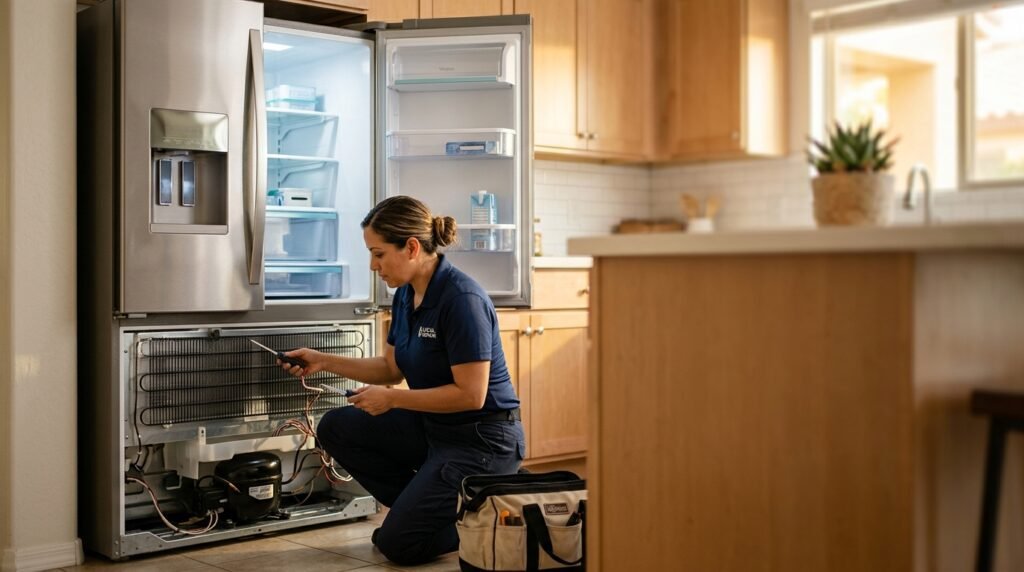
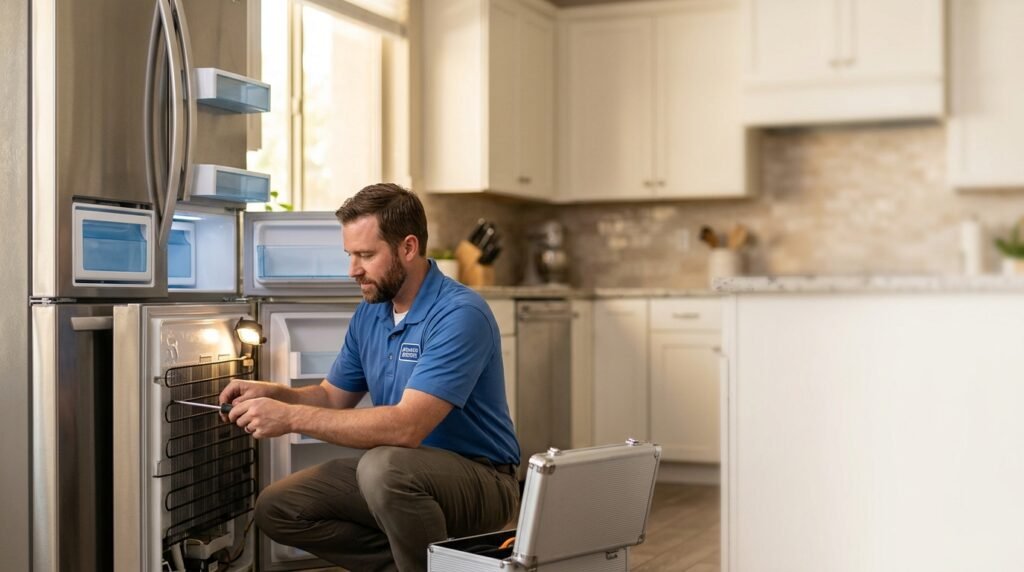
Your refrigerator is one of the most important appliances in your home. It keeps food safe, prevents waste, and runs almost 24/7. But like any machine, it can wear down over time. Ignoring the early warning signs can turn a small issue into an expensive breakdown. Here are five clear signs your refrigerator needs immediate repair: 1. Unusual Noises If your fridge is making loud buzzing, clicking, or rattling sounds, it could mean the compressor, motor, or fan is struggling. While refrigerators aren’t silent, unusual or constant noise is a red flag that something is wrong. 2. Inconsistent Cooling Is one section of your fridge warm while another freezes? This often points to thermostat malfunctions, poor airflow, or a failing compressor. If not fixed quickly, food spoilage and higher bills are inevitable. 3. Water Leaks Puddles around or inside your fridge usually mean a clogged drain tube or a faulty water line. Apart from being messy, leaks can damage flooring and even lead to mold if ignored. 4. Excessive Frost Build-Up A thin layer of frost is normal in the freezer, but heavy ice accumulation suggests a defrost system problem. This can reduce storage space, block airflow, and strain your appliance. 5. High Energy Bills If your electricity bill suddenly spikes without explanation, your fridge may be the culprit. A struggling refrigerator consumes more energy as it works harder to maintain proper cooling.

Blog

How to Extend the Life of Your Dishwasher

Your dishwasher is one of the most hardworking appliances in your home. It saves you time, conserves water, and takes care of dirty dishes with the push of a button. But without proper care, dishwashers can wear out quickly—leading to breakdowns, costly repairs, or early replacements. The good news? With just a few simple habits, you can extend the lifespan of your dishwasher and keep it running efficiently for years to come. Here’s how: 1. Clean the Filter Regularly The filter is responsible for trapping food particles and debris during cycles. Over time, it can become clogged, forcing your dishwasher to work harder. A dirty filter not only shortens the appliance’s life but also leaves dishes less clean. Make it a habit to rinse and scrub the filter once every two weeks. 2. Use the Right Detergent Not all detergents are created equal. Cheap or low-quality soaps often leave behind residue that builds up in pipes and spray arms. Always choose a dishwasher-specific detergent recommended by the manufacturer. It keeps your appliance cleaner and prevents long-term damage. 3. Run Hot Water Before Starting Dishwashers work best with hot water. Before starting a cycle, run your kitchen sink on hot for 30–60 seconds. This ensures the appliance fills with hot water immediately, leading to cleaner dishes and less strain on the heating element. 4. Check and Clean Spray Arms Spray arms are responsible for distributing water evenly. If they’re clogged with mineral deposits or food particles, your dishwasher won’t clean properly and will have to work harder. Remove the spray arms occasionally, rinse them under warm water, and clear any blocked holes with a toothpick. 5. Schedule Regular Maintenance Like any appliance, dishwashers benefit from professional check-ups. A trained technician can catch small problems—like worn-out seals or clogged lines—before they turn into costly repairs. Scheduling routine maintenance once a year keeps your dishwasher in peak condition.

Blog

Common Stove Problems and How to Fix Them

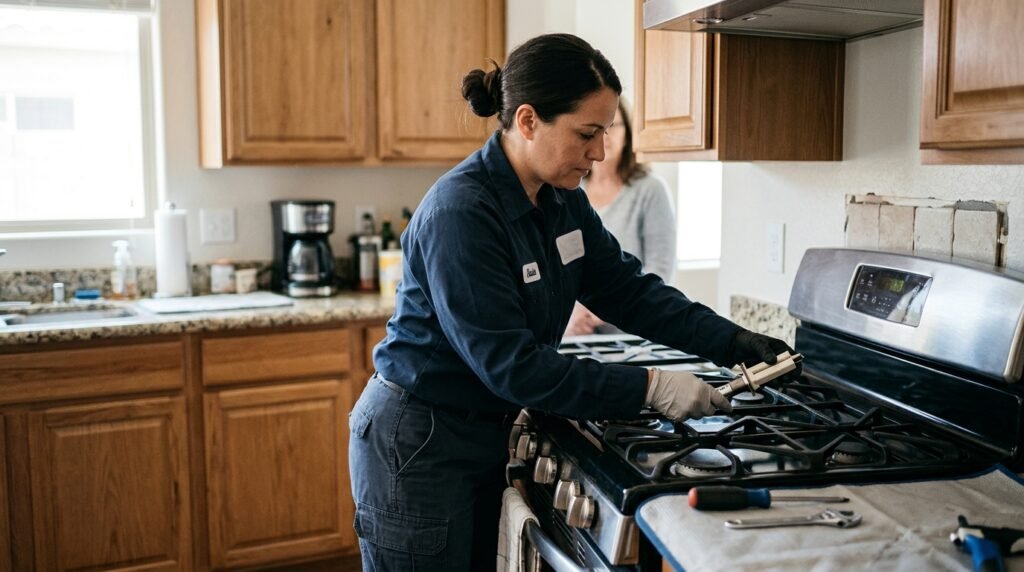
A stove is the centerpiece of every kitchen, but when it stops working properly, cooking can quickly become stressful. Whether you have a gas or electric stove, issues can arise from time to time. Knowing the common problems and how to handle them can save you time, money, and frustration. Here are the most frequent stove issues—and what you can do about them: 1. Burner Won’t Light If your gas burner refuses to ignite, the culprit is often something simple. A misaligned or dirty burner cap can block the flame. Try cleaning the cap and repositioning it properly. If you still hear the clicking sound but no flame, there may be a problem with the ignition switch or gas flow, which requires professional repair. 2. Weak Flame A weak or uneven flame can make cooking difficult and unsafe. This often happens due to clogged gas lines or dirty burner heads. Cleaning the burner with warm, soapy water can sometimes solve the issue. If the problem persists, a professional technician should inspect the gas connections for blockages or leaks. 3. Electric Burner Not Heating For electric stoves, a burner that doesn’t heat usually points to a faulty coil element or damaged wiring. You can try swapping the non-working burner with one that works—if the swapped burner heats, the coil is bad and needs replacement. If not, the issue lies within the wiring or internal connections, which should only be handled by a certified technician. 4. Strange Smells If you notice unusual odors—such as a strong gas smell or the scent of burning wires—take immediate action. Turn off the stove, ventilate the area, and call for professional help. Gas leaks and electrical malfunctions are serious hazards and should never be ignored or DIY-repaired.

Blog

Why Hiring Certified Technicians Saves You Money in the Long Run

When an appliance breaks down, it can be tempting to call the cheapest repairman you can find or even attempt a DIY fix. But while that may save money upfront, it often leads to repeat problems, unsafe repairs, and higher costs later. The smarter choice? Hiring certified technicians. Here’s why professional service actually saves you money in the long run: 1. Accurate Diagnosis Certified professionals have the training and tools to identify the root cause of the problem—not just put a temporary patch on it. This prevents recurring breakdowns and saves you from paying for multiple repairs. 2. Warranty Protection Many appliances come with manufacturer warranties that require certified service to remain valid. Hiring an unqualified repairman can void your warranty, leaving you to cover the full cost of future issues. Certified technicians, on the other hand, protect your investment. 3. Long-Lasting Repairs With certified technicians, you’re not just getting a quick fix—you’re getting a reliable repair that lasts. They use proper replacement parts and follow industry best practices, ensuring your appliances stay in good working condition for years. 4. Safety Assurance Appliance repairs often involve electricity, gas, or water lines. One wrong move can lead to fire hazards, gas leaks, or flooding. Certified technicians are trained to perform safe repairs, protecting both your home and your family. 5. True Value for Money While hiring a professional may seem more expensive upfront, it prevents bigger bills later. Fewer repeat visits, reduced energy waste, and extended appliance lifespans all add up to major savings in the long run.

Scroll to Top